
Vandaag of morgen in huis

Kwaliteit gegarandeerd

Welkomstaanbiedingen ontgrendelen: GRATIS bezorging | Tot 80% korting | Gratis 30 dagen JoyPlus-proefperiode
Download de app
When you want to buy sweatshirts and coats online, you’re quickly faced with hundreds of styles. A men’s sweatshirt, women’s sweatshirt, fleece sweatshirt, hoodie with a hood, winter coat or outdoor jacket can all look almost identical in photos. Yet the fit, material, rain protection and care requirements differ significantly.
The right choice therefore starts not with the logo or colour, but with how you’ll use it. Are you after comfort for lounging at home and on the go? Do you need a warm parka for cold bike rides? Or are you looking for a waterproof jacket for hiking in changeable weather? The checklist below will help you avoid costly mistakes.
A fleece sweatshirt or puffer jacket may feel warm, but that doesn’t automatically mean the outer layer is rain-resistant. Fleece is primarily designed as an insulating layer. For wet weather, you need a jacket whose product information explicitly states it is water-repellent or waterproof.
Also pay attention to the difference between water-repellent and waterproof. Water-repellent material offers temporary protection against light rain. With a waterproof jacket, the seams, zips and construction of the outer layer also play a role. Always check the official product description rather than relying solely on words like “all-weather”.
Sizes vary between brands, collections and countries. A men’s sweatshirt in size L may not have the same chest measurement as an outdoor jacket in size L. This is especially important with a hoodie, oversized style or winter coat, where you need room for an extra layer.
Measure your chest at home and compare it with the product page. Also look at:
For example, the adidas Trefoil Essentials Crew Sweatshirt lists a chest width. The Urban Classics Ultra Heavy Hoody states a weight of 460 g/m² and an oversized fit. These are useful details for judging a style not just by its size label, but by how it will actually feel to wear.
Cotton, viscose, polyester, polyamide and fleece all require different treatment. A garment can lose its shape or softness after just a few washes if you don’t follow the instructions.
Before you buy, check whether the jacket or sweatshirt is machine washable, at what temperature, and whether it can go in the tumble dryer. The U.S. Polo Assn. fleece hoodie, for instance, states washing at 30 °C, no bleaching and no tumble drying. For a The North Face jacket with a water-repellent finish, the product description may recommend additional care to preserve its properties as well as possible.
A sweatshirt made from 95% cotton and 5% viscose, like the U.S. Polo Assn. Fleece Sweatshirt 64712-188, feels different from a style made from 70% cotton and 30% polyester. Cotton is often chosen for everyday comfort. Polyester can help with shape retention and faster drying. A fleece lining or heavier fabric is relevant if you’re looking for extra warmth.
For cold days, three layers work well:
For everyday city use, a puffer jacket may be sufficient if warmth is your main concern. The Urban Classics Basic Puffer Jacket, according to the product information, has a polyamide outer layer, polyester padding and a hood.
For hiking or cycling in changeable weather, an outdoor jacket with explicitly stated features is more suitable. The product page for the The North Face Quest Jacket mentions waterproof, windproof and breathable DryVent fabric, fully sealed seams and a mesh lining. These are verifiable product characteristics; the real-world experience may vary depending on the activity, intensity and weather conditions.
Don’t just look at the material – also consider the details you’ll use every day:
With a parka, the length, insulation and pocket layout are also important. The Joma Iceland III is described as having an insulated construction, adjustable hood and cuffs, and multiple pockets. The listing states the outer layer is waterproof and windproof; check the full specifications and size before ordering.
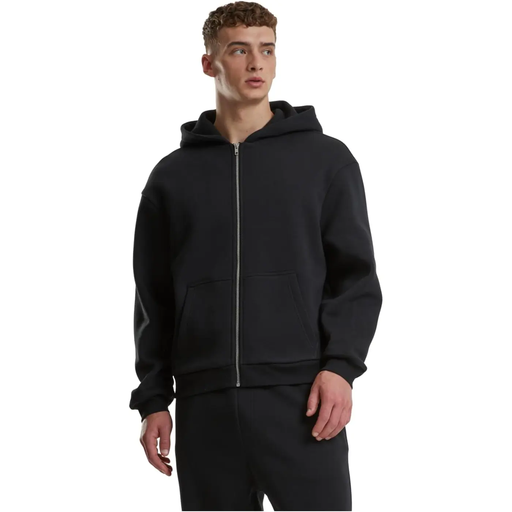
Why this fits the profile: The zip fastening and soft look make this style suitable for everyday use – at home, on the go or as an extra layer.
The product name and description clearly state it is a zip hoodie. Do check the current material composition and size guide on the product page.
Zip-through design and a casual fleece look for layering and everyday wear.

Why this fits the profile: For hiking and outdoor use, the stated DryVent fabric, sealed seams, hood and zip pockets are relevant specifications.
The product listing specifically mentions waterproofing, windproofing, breathability and fully sealed seams, rather than just general weather claims.
Polyester DryVent outer layer, mesh lining, adjustable hood and two zip pockets.
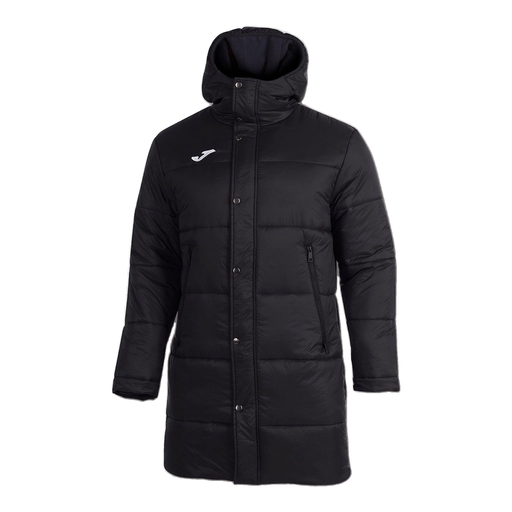
Why this fits the profile: This parka is designed for cold conditions, everyday city use and outdoor activities where warmth and storage are important.
The product information mentions insulation, a waterproof outer layer, adjustable features and multiple pockets. This allows you to compare its function with a standard winter coat.
Insulated construction, adjustable hood and cuffs, multiple pockets and a black colour.
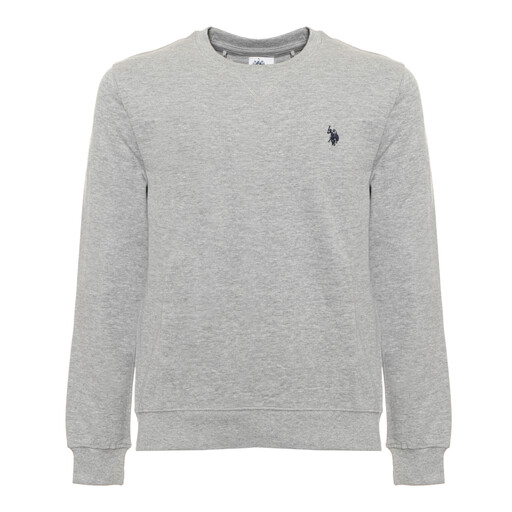
Why this fits the profile: The crew neck design and cotton-viscose blend suit casual outfits for work, home and leisure.
The composition of 95% cotton and 5% viscose is stated in the product information. Also check whether 2XL offers enough room for your desired fit.
Long sleeves, crew neck, contrasting details and an embroidered logo.
We’ve put together a full, up-to-date list of products that fully meet these strict selection criteria and comply with current European safety regulations.
Measure your chest and compare it with the size guide for the specific product. With a jacket, also consider the room for layers underneath. An oversized hoodie fits differently from a regular-fit sweatshirt. If in doubt, the product measurements – such as chest width and sleeve length – are more useful than just the letter size.
For light rain, a water-repellent jacket may be enough. For longer walks or cycling, look for a waterproof and windproof jacket with clear information about seams and materials. A fleece sweatshirt or parka can provide warmth, but check separately whether the outer layer is designed for rain.
Follow the care label, wash dark colours separately and use a mild detergent when recommended. Avoid bleach if it is not permitted. Air-dry garments when the product information advises this, and check zips, hood and cuffs before washing. This helps preserve the fit and prevents unnecessary wear and tear.
