
Vandaag of morgen in huis

Kwaliteit gegarandeerd

Welkomstaanbiedingen ontgrendelen: GRATIS bezorging | Tot 80% korting | Gratis 30 dagen JoyPlus-proefperiode
Download de app
Making your own sushi starts with one crucial ingredient: the rice. The right sushi rice is the foundation for a successful maki, nigiri, or poké bowl. But anyone searching for "buy sushi rice" online or in-store is met with an overwhelming array of choices, brands, and packages. It's easy to fall into a few common traps.
As a Joybuy Product Recommendation Officer, I'm here to help you see through the marketing jargon. These are the pitfalls you need to know before making a choice.
To avoid a purchase you'll regret, there are a few objective specifications you can check. These determine the texture, flavour, and success of your dish.
The foundation of good sushi rice is the grain type. You need a Japonica variety, recognisable by its short, plump shape. These grains contain the right balance of starches (amylose and amylopectin) that, after cooking, create a glossy, slightly sticky texture. The grains cling together without becoming a mushy paste. Long-grain rice varieties like basmati or jasmine are unsuitable; they are too dry and will fall apart.
Think carefully about how much rice you will actually use.
Below is a selection of products that fit different user profiles, based on their specifications and package size.
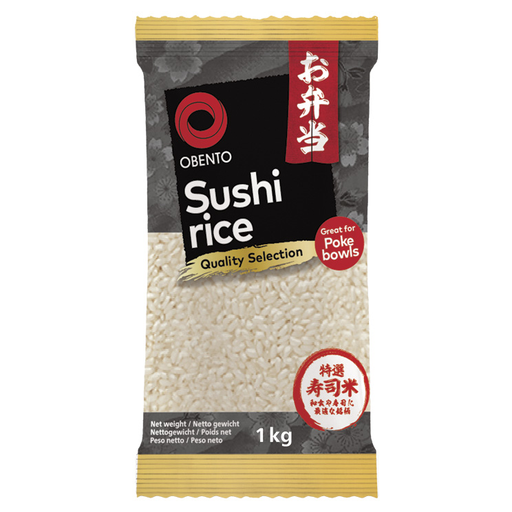
Why This Fits Their Persona: This is a practical choice for those just starting out or who don't make sushi often. The 1 kg package is manageable and prevents you from being left with a surplus of rice that loses its quality.
You avoid the pitfall of the wrong package size. You don't buy more than you need, ensuring you always work with fresh rice and don't waste money.
Specifically selected short-grain rice that provides reliable stickiness, ideal for your first attempts at rolling maki.
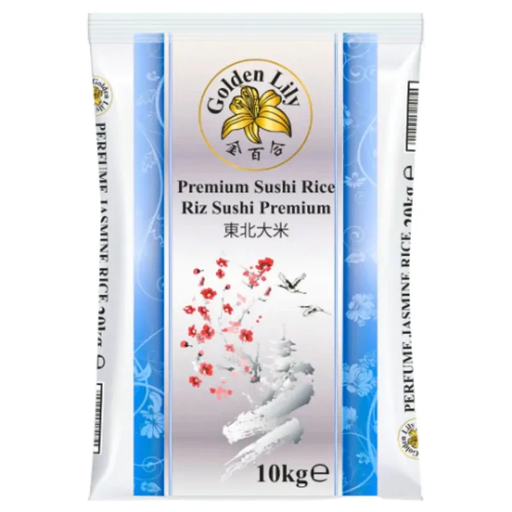
Why This Fits Their Persona: For those who make sushi or other Japanese rice dishes weekly or monthly, a 10 kg bag of sushi rice is a logical step. It offers an excellent balance between cost and convenience.
This rice offers a premium feel without the premium price tag sometimes demanded for Japanese imports. You get consistent quality suitable for frequent use.
The uniform grain size ensures even cooking and a predictable result. The bulk sushi rice pack is ideal for meal preppers and large families.
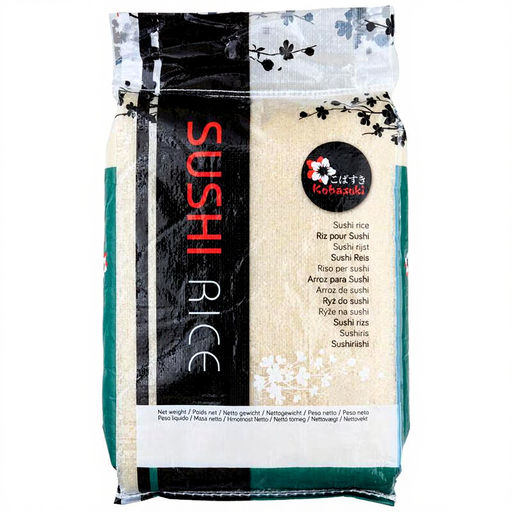
Why This Fits Their Persona: For restaurants and catering companies, consistency and cost-effectiveness are essential. A 20 kg bulk package is designed for high volume and provides a reliable foundation for a professional menu.
This product is specifically positioned for professional use. It bypasses consumer-focused marketing and concentrates on the core requirements: volume, consistency, and a good price-to-quality ratio.
The 20 kg bulk sushi rice pack significantly lowers the cost per serving. The rice is selected for excellent stickiness and a texture that holds up in a commercial setting.
We have compiled a complete, up-to-date list of products that meet these selection criteria and comply with current regulations.
A good rule of thumb is about 100 to 150 grams of uncooked rice per person. This yields enough cooked rice for about two maki rolls (16 pieces) or a generous portion of nigiri.
No, that is not recommended. Although risotto rice (like Arborio) is also a short-grain variety, its starch composition is different. Risotto rice is designed to become creamy, whereas rice for sushi should remain sticky yet resilient, with the individual grains still visible.
To keep a bulk bag of sushi rice fresh, it's important to transfer the rice to a large, airtight storage container after opening. Store it in a cool, dry, and dark place, such as a pantry. This protects the rice from moisture and pests and prevents it from going stale.
