
Vandaag of morgen in huis

Kwaliteit gegarandeerd

Welkomstaanbiedingen ontgrendelen: GRATIS bezorging | Tot 80% korting | Gratis 30 dagen JoyPlus-proefperiode
Download de app
Buying a new pair of sunglasses seems simple. But once you're in-store or online, you're bombarded with terms like 'polarized,' 'UV400,' and claims about indestructible frames. Much of this marketing is designed to make you pay for features you might not need, or that don't deliver on their promises.
Before you make a decision, it's wise to understand the most common pitfalls:
To avoid a bad purchase, focus on a few verifiable specifications. These determine the comfort, safety, and longevity of your sunglasses.
The lenses are the most important part of your sunglasses. The right technology can significantly improve your vision and comfort.
Sunglasses that don't fit well will end up collecting dust in a drawer. Comfort is just as important as protection.
Not everyone needs the same pair of sunglasses. Here are some models that suit specific needs and lifestyles, based on their specifications.
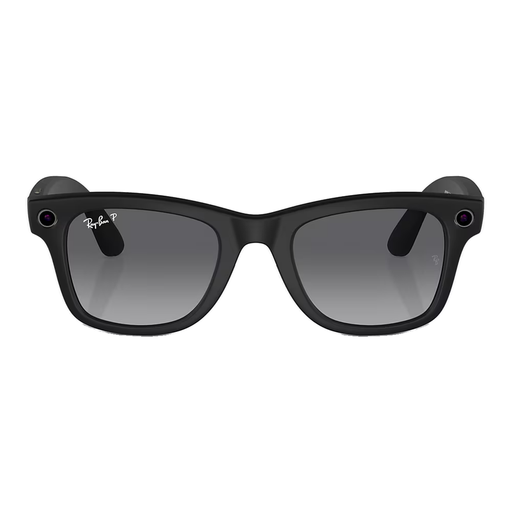
Why This Fits Their Persona: This is more than just a pair of sunglasses; it's a pair of smart glasses. Perfect for those who always want to be connected. You can make hands-free calls, listen to music, and capture photos or videos from your own perspective, without reaching for your phone.
This model bypasses the pitfall of vague claims by offering concrete, technological features. Its value lies in the integrated camera, microphones, and speakers, not in exaggerated marketing about the frame.
The main advantages are hands-free control via voice commands ("Hey Meta") and the ability to capture and share content instantly. The lenses are polarized for clear vision.
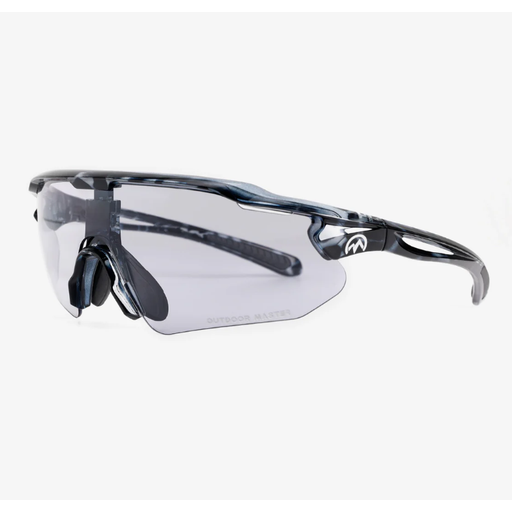
Why This Fits Their Persona: These cycling glasses are designed for performance. The ultra-light TR90 frame (26-29 grams), adjustable nose pads, and combination of photochromic and polarized lenses make them ideal for long rides or runs in varying conditions.
This model focuses on functional specifications rather than marketing hype. It combines two advanced lens technologies (photochromic and polarized) in a frame built for comfort and stability during sports.
The biggest advantage is its versatility. The lenses adapt to the light while simultaneously reducing glare. The light weight and wide peripheral vision are crucial for athletes.
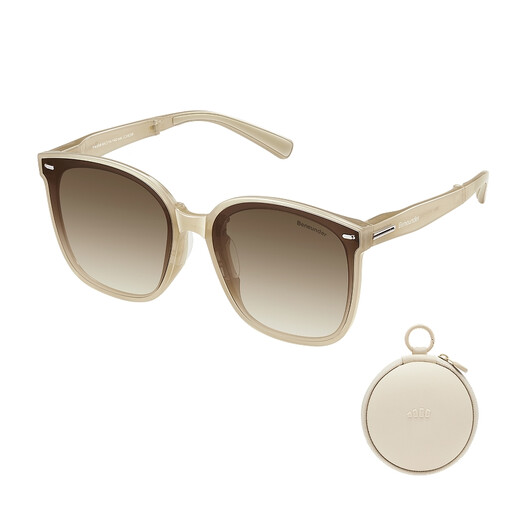
Why This Fits Their Persona: For those who want to combine style with practical convenience. These oversized sunglasses have a fashionable look but can be folded into a package just 35 mm thick, thanks to a patented design. Ideal for your jacket pocket or a small bag.
This model solves the problem of large, fashionable sunglasses being inconvenient to carry. The focus is on a unique, functional innovation (the folding mechanism) instead of empty buzzwords.
The patented foldable design is the biggest plus. At 26 grams, the glasses are very light, and the nylon lenses offer full UV400 protection and reduce glare.

Why This Fits Their Persona: A direct and affordable solution for glasses wearers. These fitover sunglasses are specially designed to fit comfortably over your existing prescription glasses. No hassle with expensive prescription sunglasses or clumsy clip-ons.
This product avoids the "one-size-fits-all" pitfall by serving a specific audience. It's a functional solution to a common problem, without the need for expensive, custom-made glasses.
Convenience and affordability are the biggest advantages. The polarized lenses reduce glare, providing extra comfort while driving. It's a lightweight and practical addition for any glasses wearer.
For those considering prescription sunglasses, we have compiled a selection of products that meet strict selection criteria and safety regulations.
Polarized lenses have a special filter that blocks horizontal light waves, or glare. This is especially noticeable with reflections on water, wet roads, or car windows. Non-polarized lenses only reduce the overall light intensity. For most daily situations, non-polarized glasses are sufficient, but for driving or water sports, polarization offers extra comfort and safety.
Look at the inside of the temples of a pair of glasses you currently wear. You will often find three numbers, such as 50-22-150. This represents the lens width, bridge width, and temple length in millimeters. Compare these measurements with the specifications of the sunglasses you are viewing online. A small deviation of a few millimeters is usually not a problem, especially with flexible frames like those made of TR90.
Generally, no. Most photochromic lenses react to UV light to darken. Since a car's windshield already blocks almost all UV light, the lenses will not darken, or will barely darken, inside the car. For driving, standard sunglasses or a model with polarized lenses are a better choice.
