
Vandaag of morgen in huis

Kwaliteit gegarandeerd

Welkomstaanbiedingen ontgrendelen: GRATIS bezorging | Tot 80% korting | Gratis 30 dagen JoyPlus-proefperiode
Download de app
Buying a pair of sunglasses might seem straightforward, but marketing copy can make comparing them tricky. A dark lens doesn't automatically mean good protection, a sports style won't necessarily feel comfortable, and a smart AI pair isn't right for every outdoor activity.
Watch out for three common pitfalls:
According to the product information from the brands mentioned, UV400 lenses are designed to block UVA and UVB radiation up to a wavelength of 400 nanometres. Think of this as a technical product specification, not a medical claim. Also check whether the information comes from the manufacturer or seller, and whether a relevant conformity marking is present.
Polycarbonate, TAC and nylon are common materials for sports and travel sunglasses. Polycarbonate is lightweight and described as impact-resistant in several models. TAC lenses are often used for polarised applications. None of these materials make a pair of glasses unbreakable. So don't use a standard sports pair for grinding, welding or other high-impact work.
A polarised pair is especially useful when there's glare from road surfaces, water, metal surfaces or snow. That can be a real benefit when fishing, cycling or boating. Just check whether the model is suitable for your screens and driving environment.
A photochromic pair adjusts its lens tint according to the amount of UV light, according to the manufacturer's product description. That's handy for changeable weather when cycling or walking. The effect can be more limited inside a car. If you often switch between bright and cloudy conditions, you might also consider a model with a clear spare lens.
A lightweight pair of sunglasses weighing around 26 to 33 grams can feel more comfortable for long wear. However, weight alone doesn't determine the fit. Pay attention to:
A foldable pair is practical for a jacket pocket or hand luggage. Check whether the folding mechanism comes with a protective case. Keys and sand can scratch lenses if they're loose in a bag.
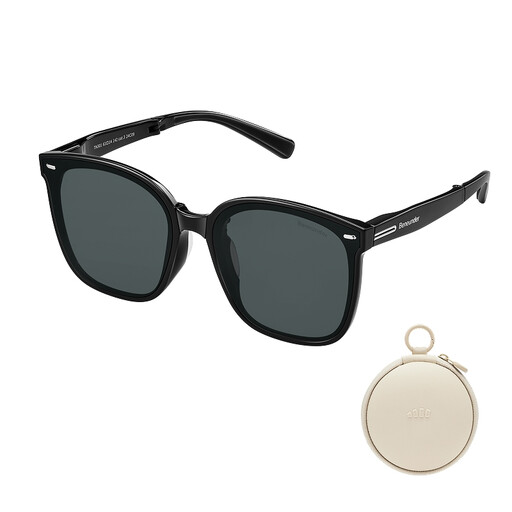
Why this fits the profile: A practical choice for everyday use, travel and driving. According to the product information, the frame is foldable and weighs around 26 grams.
The manufacturer lists UV400 and a protective coating. The folding design helps prevent the glasses from being carried loose in a bag.
TR90 frame, compact foldable design and nylon lenses with anti-reflective coating, according to the product description.

Why this fits the profile: Designed for cyclists, runners and anyone who moves between sun and shade. The adjustable nose pads allow for a personalised fit.
The product information mentions both photochromic and polarised polycarbonate lenses. That means you don't have to rely solely on a dark tint.
TR90 frame, weight of around 26 to 29 grams, UV400 marking and an included inner frame for prescription glasses.
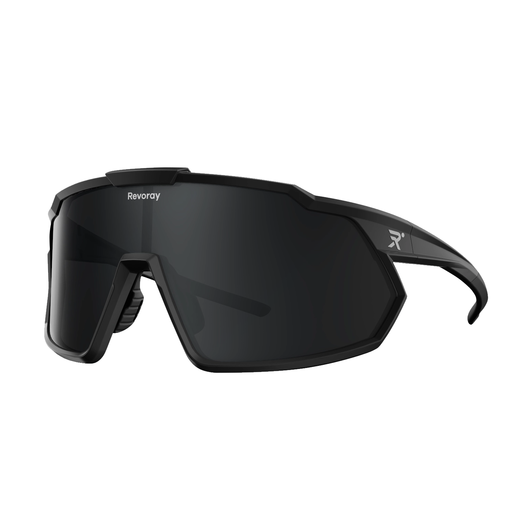
Why this fits the profile: Designed for road cycling, mountain biking and other outdoor activities where a stable fit and protection from spray are important.
The product information lists adjustable anti-slip nose pads and coatings against water, oil and scratches. That addresses issues that can arise during intensive outdoor use.
TAC polarised lenses, TR90 frame, weight of around 33 grams and a stated ANSI Z87.1 impact test for sports use.
A smart AI pair, such as the Ray-Ban Meta Wayfarer, focuses on different features than a classic pair of sunglasses. According to the product information, this type of glasses offers voice control, a camera, open-ear speakers, Bluetooth 5.2 and app connectivity, among other things. Before you buy, check compatibility with iOS or Android, the battery life and the privacy policy around camera and audio use. Also check whether the version you choose has polarised, clear or photochromic lenses.
We've put together a full, up-to-date list of products that fully meet these strict selection criteria and comply with current European safety regulations.
Yes, UV400 is a relevant product specification. The manufacturer uses it to indicate protection against UV radiation up to 400 nanometres. Also look at the product information, conformity markings and warnings. Sunglasses are not designed for looking directly at the sun or a solar eclipse.
The lifespan depends on use, impacts, scratches and storage. Store your glasses in a hard case, clean the lenses with water and a soft cloth, and avoid harsh cleaning products. Replace your glasses when the lens is visibly damaged or the frame no longer sits securely.
They can be, especially when there's glare on wet roads. However, check the lens colour, light transmission and visibility of dashboard screens. A photochromic lens may not change colour as much inside a car. If in doubt, choose a model with a fixed tint that suits your driving conditions.
