
Livraison le jour même et le lendemain

Qualité garantie

Débloquez vos offres de bienvenue: Livraison GRATUITE | Jusqu'à -80 % | 30 jours d'essai gratuits à JoyPlus
Téléchargez l'application
Are you looking to buy sunflower seeds for a film night, a get-together or a crunchy snack on the go? You'll quickly come across plenty of options: roasted sunflower seeds, salted sunflower seeds, large bags and flavours like coconut, hickory or green tea. The differences aren't just about taste. The ingredients list, portion size, whether they're in-shell or shelled, and the packaging all determine whether a product suits your needs.
As a Joybuy Product Recommendation Officer, I filter product information based on practical points. That way, you avoid paying mostly for eye-catching packaging or marketing claims.
A bulk pack of sunflower seeds might seem good value, but it's not always convenient if you only snack occasionally. Once opened, roasted seeds can lose their crunch, especially if the bag isn't resealable. For a household with several snacking occasions, 500 grams can make sense. For individual use, 90 to 140 grams is often more manageable.
"Original", "coconut" or "five-spice" tells you little about what's actually inside. Always check whether it contains only sunflower seeds and salt, or also sugar, sweeteners, flavourings and flavour enhancers. For example, the product information for ChaCha Coconut-Flavored Sunflower Seeds lists sunflower seeds, salt, sweeteners and coconut flavouring.
Many Chinese snacks are sold in-shell. The shell is not edible, so you end up with less directly edible product than the net weight suggests. Shelled seeds are more convenient as a topping or ingredient. So don't just look at the weight – also check the preparation method and usage instructions.
Compare the ingredients in order of quantity. A simple composition might consist of sunflower seeds and salt. Other varieties may contain sugar, palm oil, spices, flavourings or sweeteners.
In the UK, also pay attention to allergen information in line with UK food labelling regulations. For products containing nuts, peanuts, soya or sesame, the packaging must clearly indicate whether these allergens may be present. Verstegen Whole Sprinkled Sesame Seeds and HUASEED Cooked White Sesame contain sesame – an important point if you have an allergy or intolerance.
Nutritional values are usually given per 100 grams. This allows you to compare products fairly. Seeds are often relatively high in energy and fat per 100 grams. That makes them suitable as a small snack or topping, but portion size remains important. Use the current packaging as a guide, as product information can change.
Individually wrapped portions are practical for work, school or sharing at a gathering. According to the product information, Sanpangdan Sunflower Seeds Original Flavor 90g and San Pang Dan Pumpkin Seeds Salted Baked Flavor 160g are divided into smaller packs. This can help keep the rest of your supply sealed.
Store opened seeds in a cool, dry place away from direct sunlight. Seal the packaging tightly and check the best-before date. If the packaging is damaged, it's best not to use the product.
For snacking straight from the pack, roasted sunflower seeds or salted varieties work well on a sharing platter. For salads, noodles, bread and rice dishes, shelled organic seeds, pumpkin seeds or sesame seeds are often more practical.
A seed mix with pumpkin seeds, sunflower seeds and nuts offers more variety, but do check the allergens extra carefully. If you're after authentic Chinese snacks, you can choose spiced seeds or other roasted snacks like peanuts and broad beans.
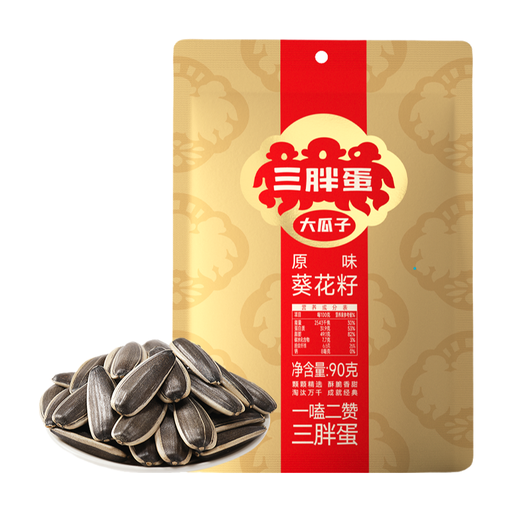
Why This Fits Their Persona: A small pack is ideal if you want to try a classic Chinese sunflower seed snack without committing to a 500-gram supply straight away.
The product information mentions an individually sealed pack and an original roasting. Do check the actual ingredients list and best-before date upon receipt.
90 grams; ingredients according to the listing: sunflower seeds and edible salt; ready to eat straight away.
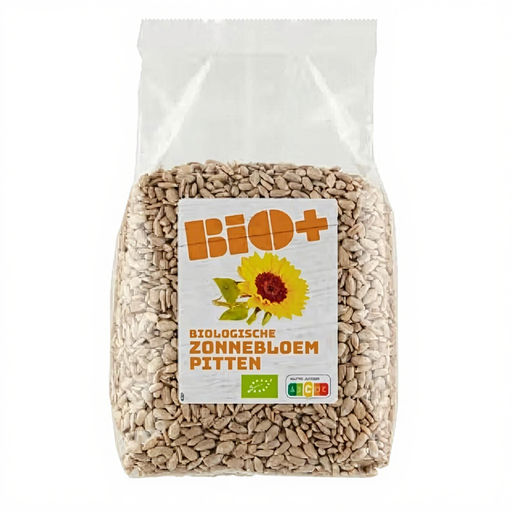
Why This Fits Their Persona: Handy for households that use sunflower seeds regularly in breakfasts, salads, bread or homemade seed mixes.
The listing states sunflower seeds of organic origin and none of the 14 major UK allergens. Check the organic certification mark on the packaging.
500 grams; single ingredient according to the product information; suitable for snacking and as a topping.
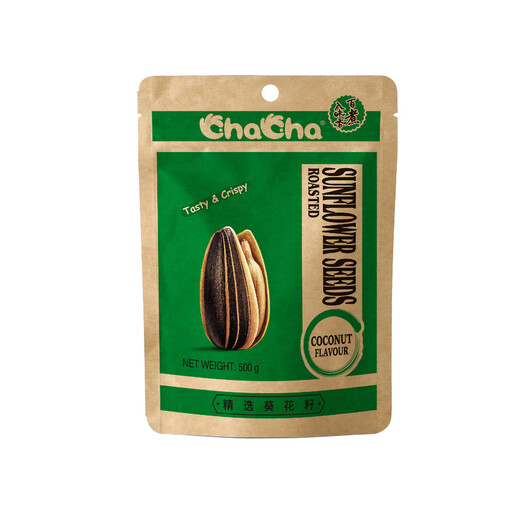
Why This Fits Their Persona: A generous bag suits film nights, visitors and anyone who fancies a sweet-savoury twist on salted sunflower seeds.
The flavour isn't judged by the front of the pack alone: the ingredients list includes 94% sunflower seeds, salt, sweeteners and coconut flavouring.
500 grams; according to the listing, 29 grams of protein per 100 grams; ready to eat.
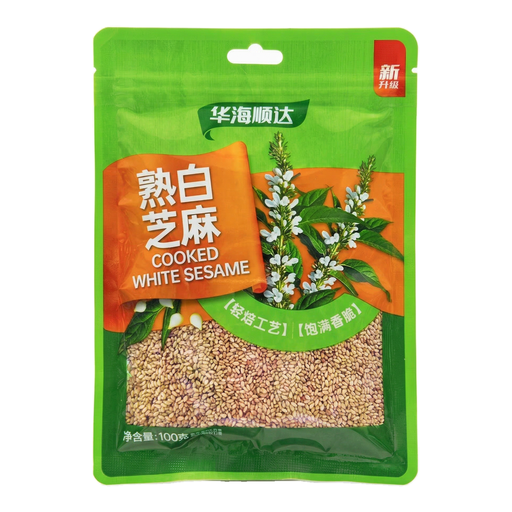
Why This Fits Their Persona: For those who don't just eat seeds from the hand, but also use them on noodles, sushi, stir-fries, salads and rice bowls.
The product information states 100% white sesame and that the product is roasted and ready to use. Sesame is listed as an allergen.
100 grams; no further preparation needed; usable as a garnish and ingredient.
Browse a current selection of nuts and seeds and compare packaging, flavour, ingredients and use before you order.
Yes, products that are described as ready to eat can be eaten straight from the pack. With in-shell seeds, you only eat the kernel; the shell is not edible. Always check the usage instructions on the packaging.
Store them in a cool, dry place away from direct sunlight. Seal the bag tightly or use an airtight container. This helps limit moisture and loss of crunch. With a large pack, it's practical to keep part of it airtight and only open a smaller amount at a time.
No. They are different seeds with a different shape, flavour and texture. Pumpkin seeds are often handy as a topping or ingredient, while sunflower seeds are widely sold as a roasted in-shell snack. Compare the ingredients, allergens and nutritional information per product rather than just the name.
