
Vandaag of morgen in huis

Kwaliteit gegarandeerd

Welkomstaanbiedingen ontgrendelen: GRATIS bezorging | Tot 80% korting | Gratis 30 dagen JoyPlus-proefperiode
Download de app
Are you looking to buy strong coffee, but unsure whether to go for dark roast coffee, strong coffee beans, capsules or pads? A dark packet and terms like “extra strong” don’t always mean the same thing. Some coffees deliver a powerful flavour, while others can provide more caffeine per cup depending on the brewing method or the coffee bean itself.
With this practical guide, you can focus on the features that really matter at home, in the office, or on the go.
An intensity rating usually describes the flavour experience, roast level and body of the coffee. It is not a universal measure of caffeine. Dark roasted coffee can taste strong and bitter, but it doesn’t automatically contain more caffeine than a lighter roast.
If you’re looking for coffee with high caffeine, you should therefore check the information on the packet, the amount of coffee per serving, and the brewing method you choose. Many products don’t list the exact caffeine content. In that case, you can’t make a precise comparison.
Strong coffee beans are only practical if you have a coffee grinder, semi-automatic espresso machine or bean-to-cup machine. Strong coffee capsules must be compatible with your machine’s capsule system. Pads, meanwhile, are designed for a suitable pad machine, such as a Senseo machine.
So check before you order:
A 500g bag may seem good value, but coffee gradually loses its aroma once opened. A large packet is best suited to households or offices that drink coffee regularly. For occasional use, smaller capsules, pads or individually wrapped portions can be more practical.
When ordering coffee online, it’s better to calculate the price per cup. Divide the price by the number of pads, capsules or the estimated number of cups you can get from the beans.
A dark roast coffee typically has a pronounced, roasted flavour. You might encounter notes of cocoa, nuts or spices, depending on the blend. A medium-dark roast can offer a bit more balance if you want strong coffee without the roast dominating.
Alongside words like “strong” or “intense”, look for verifiable details:
Robusta is often used in blends for a fuller mouthfeel and a rich crema. That doesn’t automatically mean every Robusta blend tastes the same.
For pads, the number of millimetres or a universal size is less important than the correct system. The g’woon pads below are described as suitable for Senseo. Capsules, on the other hand, may be specifically intended for Nespresso machines. Always check the product information and your appliance’s manual before buying a bulk pack.
With beans, you have more freedom. You can adjust the grind size for espresso, filter or a moka pot. A grind that’s too fine can cause a slow flow in some machines; a grind that’s too coarse can give a weaker result.
Look at the number of servings and the net weight. A pack of 36 pads is convenient for daily use. 500g bags suit regular grinding and brewing. Capsules are handy when you want a fixed amount per cup.
Store coffee in a cool, dry place away from direct sunlight. Seal the packet well after opening and don’t use any product where the packaging is damaged. Always check the label for exact storage information.
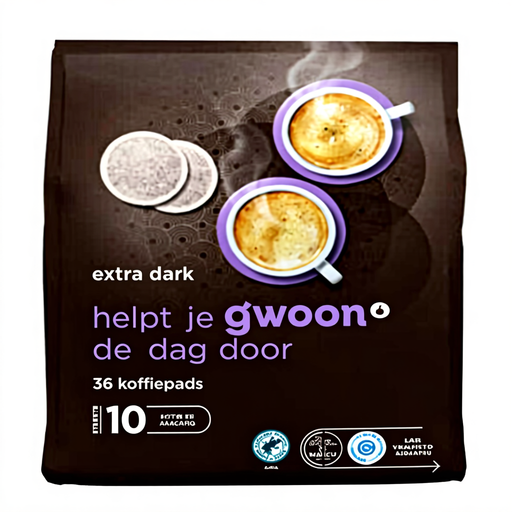
Why this fits the profile: These pads are simple to use in a compatible Senseo machine and contain 36 pads for regular use. The product information states an intensity of 10 and no decaffeinated version.
The coffee format and machine compatibility are clearly stated. The packet contains only coffee according to the product description.
36 pads, intensity 10 and simple preparation without grinding beans.
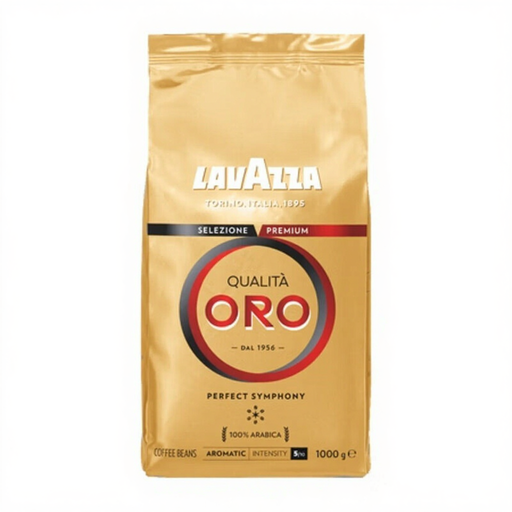
Why this fits the profile: These 500g strong coffee beans are suitable for espresso machines and coffee grinders. According to the product information, the blend consists of Arabica and Robusta.
The beans aren’t tied to one capsule or pad system. You can adjust the grind for espresso, cappuccino or filter brewing.
500g content, Arabica-Robusta blend and, according to the description, a full flavour with crema.
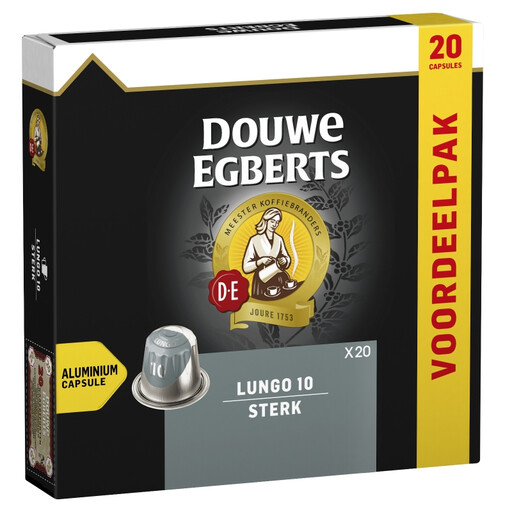
Why this fits the profile: These capsules are designed for a Nespresso machine and deliver a lungo of 110 ml. The stated intensity is 10 on a scale of 1 to 12.
The contents per box, brewing method and compatibility are all clearly stated. This means the choice isn’t based solely on the term “strong”.
20 capsules, lungo format of 110 ml and an Arabica-Robusta blend according to the product description.
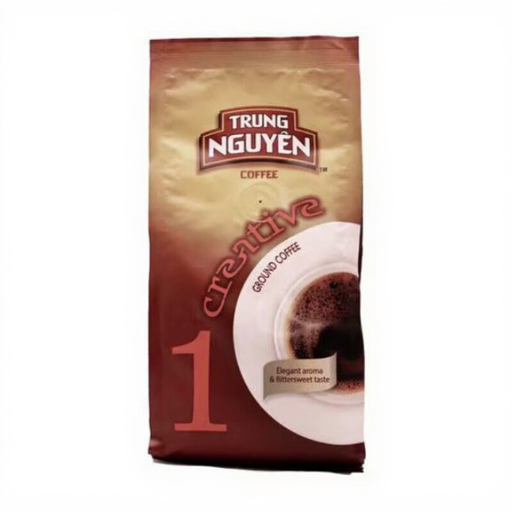
Why this fits the profile: Ground Vietnamese coffee in a 250g pack for anyone looking for a different style from traditional Dutch coffee. According to the product description, this coffee is suitable for both hot and cold brewing.
The composition is stated as ground Culi-Robusta. The pack is smaller than 500g, so you have less coffee to store.
250g ground coffee, Robusta base and a flavour profile that, according to the description, holds up well with milk or sugar.
We’ve put together a full, up-to-date list of products that fully meet these strict selection criteria and comply with current European safety regulations.
No. Dark roast mainly refers to the degree of roasting and the flavour. The caffeine content depends on factors including the bean type, the amount of coffee and the brewing method. Check the label if the content matters to you.
That depends on the dosage and the machine. Capsules and pads usually provide a fixed amount of coffee per serving. With beans, you can adjust the dose, grind size and water amount yourself. An intensity rating on the packet is mainly a flavour guide, not a direct measure of caffeine.
Follow the best-before date on the packet and store the beans sealed, in a dry place away from direct sunlight. The practical shelf life after opening depends on the packaging, storage and how often you open it. So buy a size that matches how much you use.
