
Livraison le jour même et le lendemain

Qualité garantie

Débloquez vos offres de bienvenue: Livraison GRATUITE | Jusqu'à -80 % | 30 jours d'essai gratuits à JoyPlus
Téléchargez l'application
Sticky rice is perfect for Thai desserts, Chinese rice balls and savoury dishes like siu mai. However, not every product labelled sticky rice, glutinous rice or kleefrijst is the same. If you rely only on the packaging or an attractive product photo, you could end up with the wrong type of rice, an oversized portion, or a frozen product that doesn’t suit the dish you have in mind.
As a Joybuy Product Recommendation Officer, I focus on verifiable details: ingredients, weight, storage, allergens and cooking method. This helps you cut through the marketing language and find a product that fits your kitchen and your needs.
The term glutinous rice simply means the rice becomes very sticky after cooking. It does not mean the rice contains gluten. Pure sticky rice is typically made from glutinous rice grains and is naturally free from gluten-containing cereals. However, composite products such as rice cakes, siu mai or desserts with a dough layer may contain wheat, soya or sesame.
Always check the ingredients list and allergen information. For example, Royal Thai Sticky Rice states that the product is made from 100% sticky rice and contains none of the 14 major EU allergens. That’s a more concrete buying criterion than just the name “Asian sticky rice”.
A 10 kg bag of sticky rice can be good value for families, keen cooks or anyone who regularly makes Thai dishes. For occasional use, however, such a bag takes up a lot of storage space. What’s more, dry rice needs to be sealed properly and kept in a dry place after opening.
Think about how you’ll use the rice before you buy:
Bear in mind that the pack size in the product title and information doesn’t always match. So check the stated net weight before you order.
Frozen dim sum, Chinese rice balls and sticky rice cakes are often still raw and need to be fully cooked. “Quick to prepare” does not automatically mean that defrosting or a short reheat is enough. Always follow the cooking instructions on the packaging and never refreeze a product once it has been defrosted.
For plain rice, a short ingredients list is a plus: you know exactly what you’re buying. With rice balls and desserts, ingredients may include peanut, sesame, wheat, soya, coconut, sugar and vegetable oil.
Examples from the range:
If you have allergies, always read the current packaging. Product information online can change and does not replace the label.
Sticky rice is often steamed rather than boiled. Royal Thai explicitly states: rinse and steam thoroughly. This keeps the grains firm and makes the rice suitable for dishes like mango sticky rice or savoury combinations with fish and meat.
For frozen rice balls, boiling in water is the usual method. For several Chinatown products, the instructions are: add the frozen balls to boiling water, wait until they float to the surface, then cook for a further 1 to 2 minutes. For siu mai and custard buns, steaming is the recommended method.
Dry rice should be stored in a cool, dry place away from direct sunlight. Seal the packaging well after opening. Frozen products must be kept at -18 °C or lower. When you receive them, check that the packaging is intact and the product is still properly frozen.
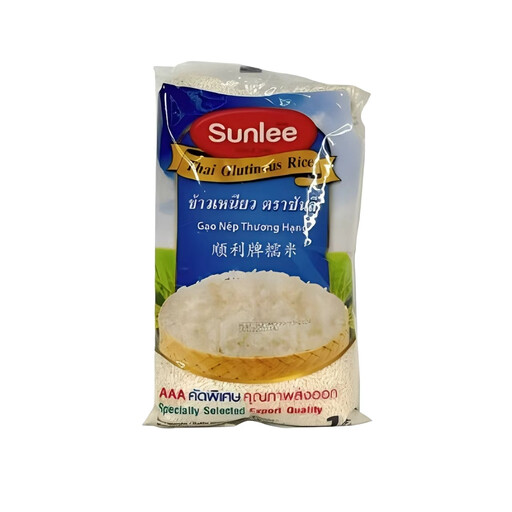
Why this suits the profile: The 1 kg size is manageable for anyone buying sticky rice for the first time and wanting to try different Asian recipes.
The packaging stops you from buying a large quantity straight away. The ingredients list states only glutinous rice.
1 kg, suitable for desserts and other Asian dishes; store in a cool, dry place.
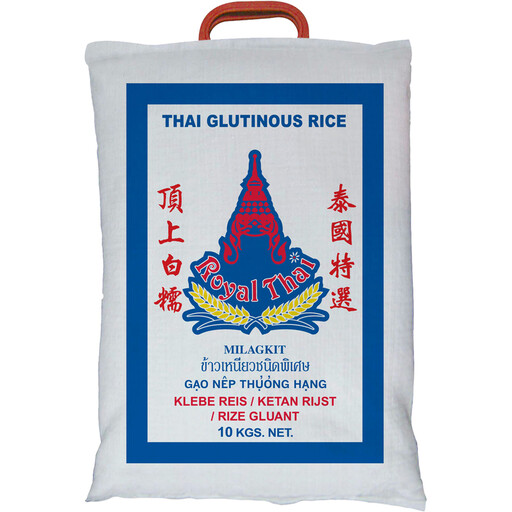
Why this suits the profile: This large size is ideal for households that frequently steam Thai sticky rice for meals and desserts.
The product information clearly states the net weight, cooking method and storage instructions. This lets you weigh up the large size against your consumption before buying.
100% sticky rice, sourced from Thailand; intended for rinsing and steaming.
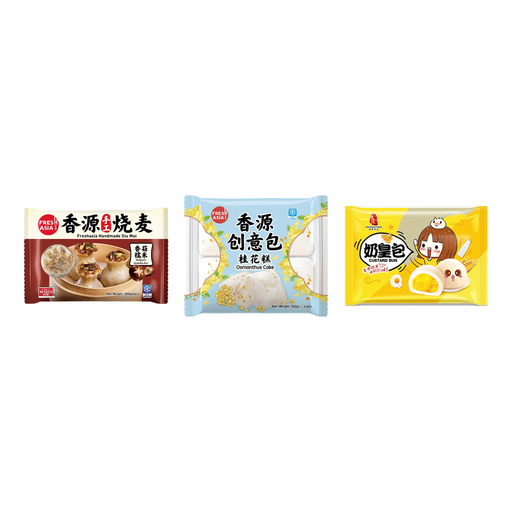
Why this suits the profile: A combination for anyone who wants to serve a variety of savoury and sweet dim sum dishes without making dough from scratch.
The instructions state that the products can be steamed from frozen. So you don’t need to defrost them first; full cooking is still essential.
Combination of shiitake siu mai, osmanthus cake and custard buns; store at -18 °C or lower.
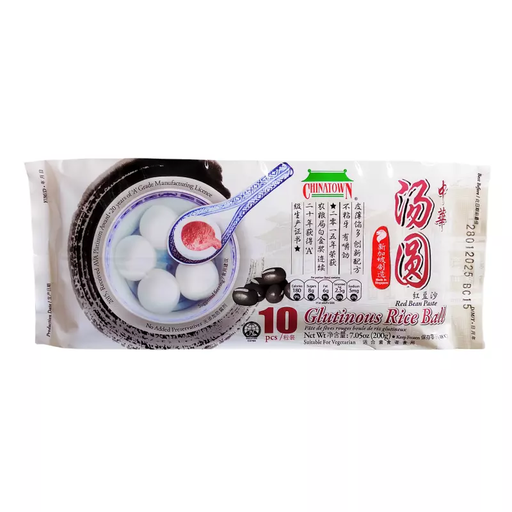
Why this suits the profile: Ideal for anyone who wants to make tang yuan or Chinese rice balls without preparing the filling and dough from scratch.
The 200 g pack limits waste when you’re trying them for the first time. The product is clearly described as a frozen raw product.
Red bean filling, 200 g and cooking instructions based on boiling until the rice balls float.
We’ve put together a full, up-to-date list of products that fully meet these strict selection criteria and comply with current European safety regulations.
No. Sticky rice has a different starch composition, which makes the grains stick together much more after cooking. The rice is often steamed, making it suitable for Thai sticky rice, desserts and certain savoury dishes.
First, rinse the rice. Then soak it according to the instructions and steam it thoroughly. Boiling it in lots of water, as you would ordinary rice, can give it a different texture. Always check the cooking method on the packaging, as timings and ratios vary between products.
Store them continuously at -18 °C or lower and follow the best-before date on the packaging. Once defrosted, they must not be refrozen. Boil or steam them fully before serving.
