
Livraison le jour même et le lendemain

Qualité garantie

Débloquez vos offres de bienvenue: Livraison GRATUITE | Jusqu'à -80 % | 30 jours d'essai gratuits à JoyPlus
Téléchargez l'application
Sticky rice looks like ordinary rice, but behaves very differently during cooking. The grains become soft, firm and sticky, making them ideal for dishes such as mango sticky rice, dumplings, rice cakes and savoury Thai meals. However, if you buy sticky rice without proper preparation, you can run into a few common problems.
The terms glutinous rice and sticky rice generally refer to the same type of rice. Here, the word “glutinous” describes the sticky texture and does not mean the rice contains gluten. Ordinary jasmine rice can become soft after cooking, but it does not automatically give you the firm, cohesive texture you need for Thai sticky rice.
So look out for words like glutinous rice, sticky rice or glutinous rice flour on the packaging. A product such as Royal Thai Jasmine Rice is ordinary jasmine rice and is not the same as sticky rice, even if the product description uses terms like soft or slightly sticky.
Sticky rice is often not prepared in the same way as basmati rice or quick-cook rice. Many varieties need to be rinsed first and then soaked for several hours. After that, the rice is usually steamed. If you boil the grains directly in a pan with lots of water, the result can be too wet, uneven or mushy.
Always follow the instructions on the packaging. Aroy-D Black Glutinous Rice, for example, states 6 to 8 hours soaking or overnight soaking, followed by steaming or boiling until the grains are soft and sticky. Other products, such as Royal Thai Sticky Rice 10kg, indicate that steaming is the recommended method.
A bag of sticky rice weighing 18 or 20kg can be practical for a restaurant, catering business or large family, but it is less suitable for someone who only occasionally makes a dessert. Once opened, the packaging must be sealed properly and stored in a dry place. Also check that you have enough airtight storage space.
For occasional use, sticky rice 1kg is usually more manageable. If you cook regularly, you could look at 2kg or 4.5kg. A bulk pack of sticky rice of 18 or 20kg only really makes sense if you have a high consumption rate.
White sticky rice has a neutral appearance and works well with savoury dishes, dumplings, zongzi and classic desserts. Black sticky rice has a dark purple to black colour and is often used for rice pudding, sweet rice cakes and other desserts. The colour can change during cooking, so check the product description and preparation instructions.
For sticky rice for mango sticky rice, many home cooks choose a white Thai variety. The neutral rice flavour combines easily with coconut milk and mango. Black sticky rice can also be used in desserts, but it gives a different colour, texture and flavour impression.
Look for the terms 100% sticky rice, 100% glutinous rice or sticky rice. A short ingredients list makes it clear that you are buying a pure rice product with no added flavourings. The origin varies from product to product. The range includes, for example, varieties that, according to the product information, come from Thailand, but also products with a different stated production location.
Also pay attention to the allergen information. Several of the products mentioned state that they do not contain any of the 14 major EU allergens. Nevertheless, always check the current label, especially if you have an allergy or if cross-contamination is a concern. The packaging may contain more or more recent information than an online product page.
Use this guide as a practical starting point:
The nutritional values vary by brand and product. So check the table per 100g on the packaging rather than relying on general figures from a different type of rice.
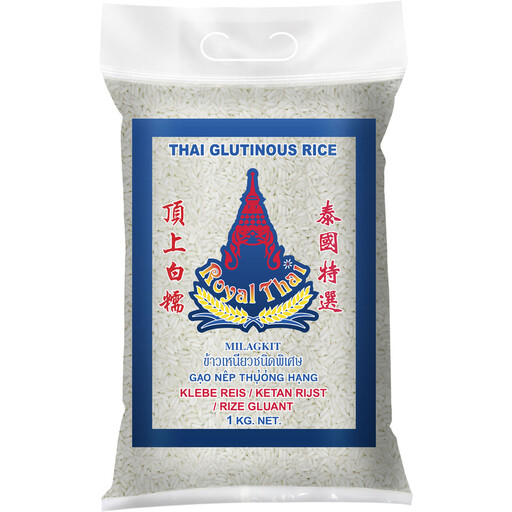
Why this fits the profile: The 1kg pack is manageable for anyone using Thai sticky rice for the first time or only making a dessert and savoury dish occasionally.
You don't have to buy a bulk pack straight away and can try out the preparation method at your leisure first.
1kg; firm texture according to the product description; 100% sticky rice.
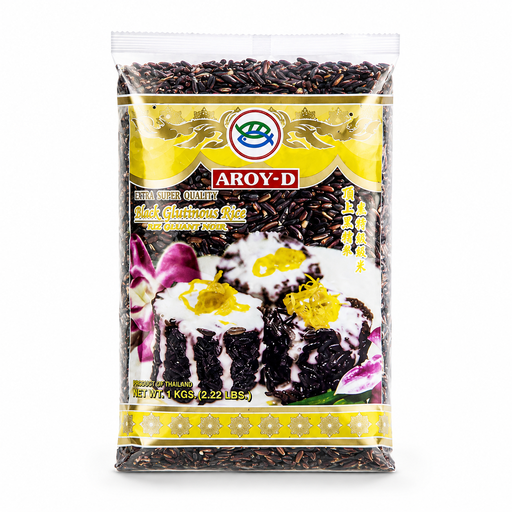
Why this fits the profile: This black sticky rice is ideal for anyone who wants to give desserts a dark colour and a firm, soft texture.
The product information states the required soaking time, so you won't use the same short cooking method as for ordinary rice.
1kg; product from Thailand according to the product information; suitable for sweet and savoury recipes.
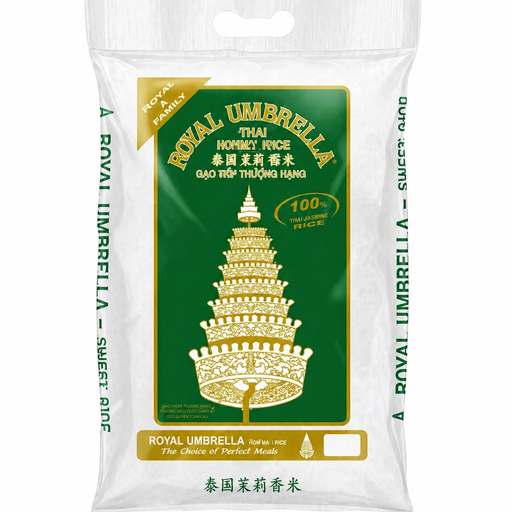
Why this fits the profile: The 18kg bag is aimed at restaurants, caterers, large families and other users with a high consumption rate.
The large pack prevents heavy users from having to buy small bags repeatedly, provided dry storage is available.
18kg; 100% Thai sticky rice according to the product information; suitable for dishes, desserts and snacks.
We have put together a full, up-to-date list of products that fully meet these strict selection criteria and comply with current European safety regulations.
Rinse the rice according to the instructions on the packaging. For many varieties, soaking helps to soften the grains evenly. Then use a steamer basket, a rice cooker with the appropriate setting, or the method recommended by the manufacturer. Let the cooked rice rest briefly before serving; this allows the moisture to distribute more evenly.
Store unopened sticky rice in a cool, dry place away from direct sunlight. Seal an opened bag tightly and use a clean, dry scoop. Check the best-before information before use and use the label as your guide.
Generally, yes. Glutinous rice and sticky rice are common names for rice that becomes sticky in texture after cooking. In this context, “glutinous” does not automatically mean the product contains gluten. If you have allergies, always check the current packaging.
That depends on the brand and variety. Some products can be cooked directly, while others, according to the product information, need to be soaked for 30 minutes, several hours or overnight. For an even texture, it is wise to follow the specific preparation instructions.
The shelf life depends on the packaging, storage conditions and best-before date. Store the rice in a dry, sealed container away from direct sunlight. If the rice smells unusual or the packaging is damp or damaged, do not use the product.
