
Same-day & Next-day Delivery

Quality Guaranteed

Unlock Your Welcome Offers: FREE Delivery | Up to 80% OFF | Free 30-day JoyPlus trial
Download the APP
Are you looking to buy sticky corn for breakfast, lunch, a snack or an Asian meal? You'll quickly come across terms like waxy corn, sweet sticky corn and Chinese sticky corn. The packaging may look similar, but the contents, preparation and shelf life can differ.
Pay particular attention to three common pitfalls:
Sticky corn contains a relatively high amount of starch. This gives the cob a soft, chewy and slightly sticky texture rather than the crunchy bite of fresh sweetcorn. The product description may use terms like glutinous, waxy or sweet sticky corn.
If you're after a soft corn cob for breakfast or a lunchbox, look for:
The texture is also influenced by how you cook it. Heating for too short a time can leave the cob firm, while prolonged boiling makes it softer.
Vacuum packaging helps to retain moisture and flavour, according to product information, but always check the instructions on the pack. Look out for the difference between:
A vacuum bag should not go in the microwave without checking. For many products, you need to remove the outer packaging and open the inner bag. Follow the instructions on the label and store opened corn in the fridge. Some product recommendations advise consuming an opened product within two days.
Don't just compare the price per pack. Look at the net weight, the number of cobs and the nutritional values per 100 grams. Examples from product information:
These values can vary from product to product. Use them to compare products, not as a general statement about all sticky corn. Also check the actual packaging, as labelling and portion size are decisive.
White sticky corn often has a mild appearance and works well for breakfast or a simple side dish. Yellow sticky corn is practical for family meals and is often offered in larger packs. A purple or black corn cob is interesting if you want to serve different colours. According to the product description of some brands, black sticky corn contains anthocyanins; this is a brand claim and not a medical statement.
For on-the-go, individually packed or ready-to-eat varieties are handy. For a family or store cupboard, a pack of 1.32 to 2.4 kg may be more logical, as long as you can manage the shelf life and storage space.
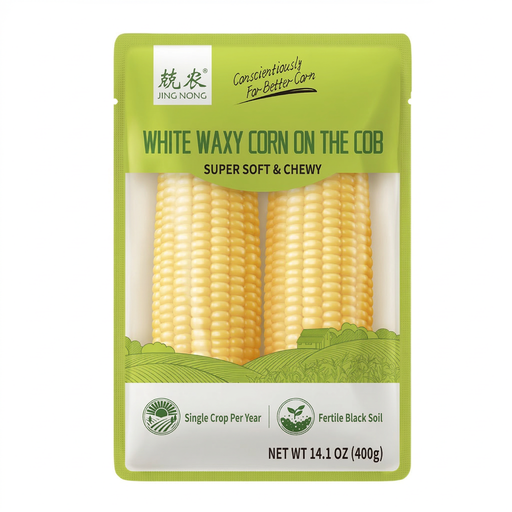
Why this fits the profile: A compact pack is ideal if you want to try sticky corn first or occasionally use a cob as a snack or side dish.
The 400-gram pack reduces the risk of buying a large pack before you know whether the soft waxy texture suits you.
White waxy corn in a 400-gram pack; check the current preparation and storage information on the label.
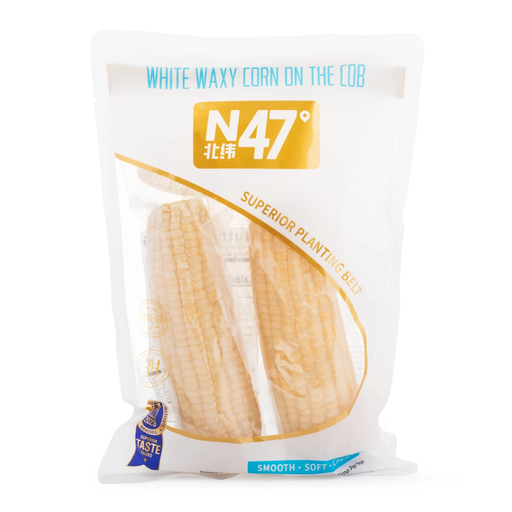
Why this fits the profile: Handy if you value clear nutritional information, vacuum packaging and multiple cooking options.
The product information explicitly mentions steaming, boiling, microwaving and grilling. So you don't have to guess whether the corn is ready to eat.
460 grams, nutritional values per 100 grams and a recommended storage temperature of 0–4 °C according to the product information.
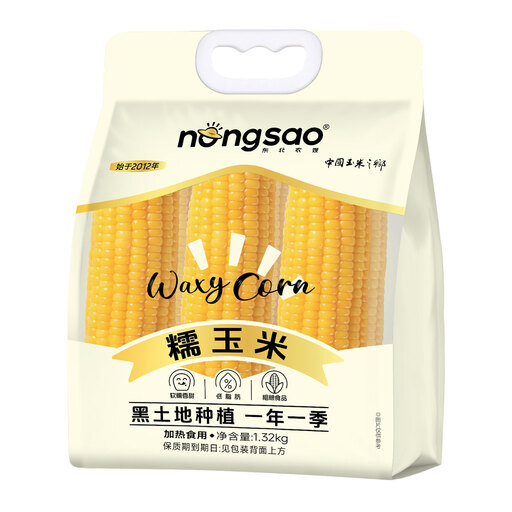
Why this fits the profile: A pack of six individually vacuum-packed cobs suits families, meal preppers and fans of Chinese sticky corn.
The six separate packs help reduce waste: you only open the amount you need.
1.32 kg divided into six pieces; according to the product information, suitable for heating and storing in a cool, dry place.
We've put together a full, up-to-date list of products that fully meet these strict selection criteria and comply with current European safety regulations.
The correct preparation is on the packaging, but these guidelines appear on several products:
Do not use damaged, swollen or leaking packaging. Also check the best-before date before preparing the corn.
No. Sticky corn, also known as waxy corn, is best known for its softer, firmer and stickier texture. Ordinary sweetcorn is usually crunchier and juicier. The taste and structure also vary by colour and brand.
That varies by product. Look at the date on the packaging and the stated storage conditions. Unopened products can be stored chilled or at room temperature according to their label. After opening, the corn should generally be refrigerated and consumed quickly.
Only when the product information explicitly states it is ready-to-eat. Other vacuum-packed corn on the cob must first be steamed, boiled, grilled or heated in the microwave. Also always check whether the inner bag is suitable for your chosen cooking method.
