
Vandaag of morgen in huis

Kwaliteit gegarandeerd

Welkomstaanbiedingen ontgrendelen: GRATIS bezorging | Tot 80% korting | Gratis 30 dagen JoyPlus-proefperiode
Download de app
If you're looking to buy a steam iron, you'll quickly notice big differences in power, steam pressure and water tank size. However, a high wattage doesn't automatically mean an iron is pleasant to use. A compact model can be handy for a quick touch-up, while a steam generator is better suited to a large household with lots of laundry.
The right choice depends mainly on how you'll use it. Do you want to iron crisp creases into shirts and trousers, vertically steam curtains, or just quickly remove wrinkles from an outfit? Whatever your needs, watch out for the following pitfalls.
A power rating of 2,800 watts, for example, might indicate a fast heat-up time, but it doesn't tell you everything about the amount of steam produced during ironing. Also check the continuous steam output, expressed in grams per minute, and the steam boost, if available.
An iron with a ceramic soleplate and 2,400 to 2,800 watts can glide smoothly and get up to temperature quickly. For stubborn creases, however, the combination of steam output, soleplate and temperature control is what really matters.
A steam iron with a large water tank needs refilling less often, but it can also be heavier and less compact. A 1.8-litre tank is practical for long ironing sessions, but it's overkill if you usually only iron a few items at a time.
For a garment steamer, a small tank is normal. Models with a 70 to 160 ml capacity are lightweight and quick to use, but they require more frequent refilling.
Brands might claim their appliance smooths clothes faster, reduces odours or is suitable for all fabrics. Treat this as information from the product description. According to the brand's own research, such results can vary depending on the fabric, temperature, number of creases and how the appliance is used.
Therefore, always check the specific technical details, safety information, warranty and instructions for your fabrics. Steam is hot and can cause burns. Never use a garment steamer on clothes you are wearing and keep the appliance out of the reach of children.
For everyday ironing, a continuous steam output of around 20 to 50 g/min is a useful point of comparison within this product group. A higher steam boost can help with tough creases, but it doesn't automatically make the appliance suitable for every fabric.
A steam generator works with a separate base unit and typically has a larger tank and higher pressure. The Tefal SV8055, for example, lists 6.5 bar pressure, a continuous steam output of 120 g/min and a steam boost of 450 g. This is ideal for long ironing sessions, but the base unit takes up more space than a traditional iron.
A fast-heating iron is useful if you often just want to iron a single shirt or dress. Handheld steamers from Tefal and Philips state a heat-up time of around 15 to 30 seconds. A steam generator usually needs more preparation time, but in return, it offers a larger water tank.
Also look out for:
A steam iron with a ceramic soleplate can move smoothly over fabrics. Also, check if the tip is narrow enough for collars and buttons. A vertical steam function is suitable for hanging clothes, curtains and delicate fabrics, but it doesn't always replace traditional ironing on a board.
For travel, a travel garment steamer is particularly appealing when weight, storage space and heat-up time are more important than a large tank. For international travel, you should also check the voltage and any dual-voltage support.
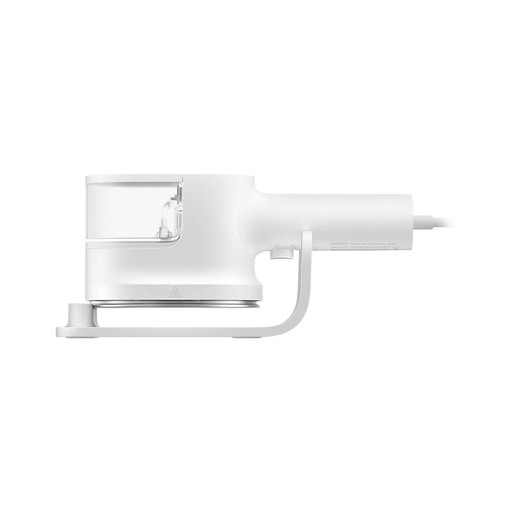
Why it's a good match: This 2-in-1 dry and steam iron weighs 0.77 kg and heats up in 30 seconds, according to the product specifications. It's suitable for small households and occasional use.
The product information lists both the power and the steam output: 1,200 watts, a maximum of 2.2 bar and 22 g/min. This means you don't have to rely on the wattage alone.
Vertical steam function, steam boost, manual temperature control and automatic shut-off.
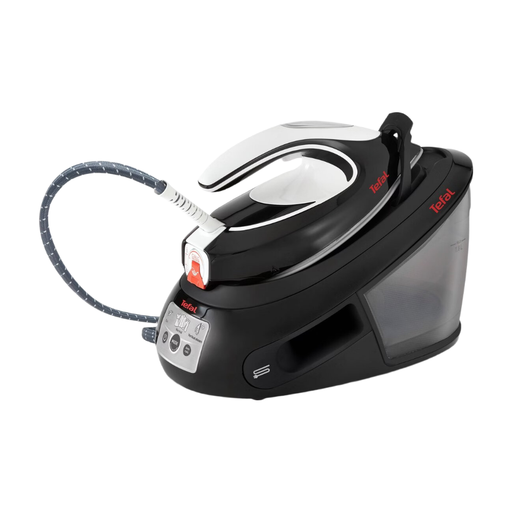
Why it's a good match: The separate steam generator has a large base and specifications designed for intensive ironing. This suits families with lots of laundry and users who regularly iron bedding or multiple shirts.
The product description mentions not only the pressure but also the continuous steam output and steam boost. The stated 6.5 bar, 120 g/min and 450 g provide more context than a single marketing figure.
Anti-calc collector, automatic shut-off and a Durilium soleplate, according to the product specifications.
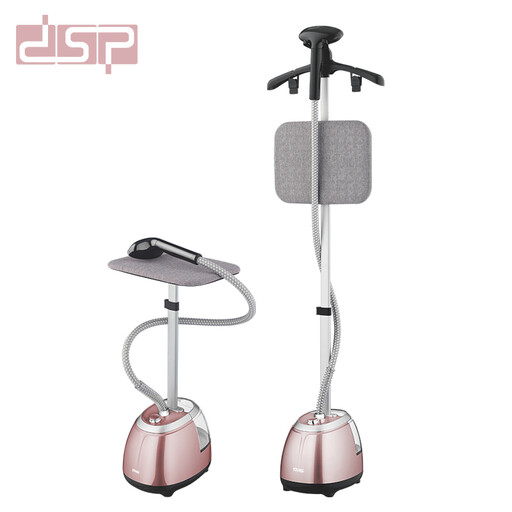
Why it's a good match: This garment steamer is designed for longer sessions and various fabrics. The 2.1-litre tank and adjustable steam levels are practical for clothes, curtains and other textiles.
Instead of a small handheld tank, this model has a 2.1-litre tank, according to the product title. The 10 settings allow you to adjust the intensity to suit the fabric.
2,000 watts, large water tank and 10 speed settings, according to the listed product data.
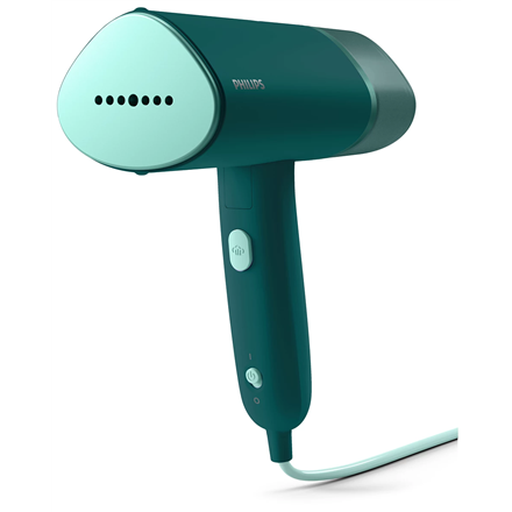
Why it's a good match: This compact model is foldable, weighs 0.77 kg and comes with a storage pouch. With a 30-second heat-up time, it's ideal for a quick treatment without an ironing board.
The limited 120 ml tank is clearly stated. This lets you know in advance that this is a handheld garment steamer for short sessions, not for a full laundry basket.
1,000 watts, 20 g/min steam output, foldable design and included storage pouch.
We have compiled a complete, up-to-date list of products that fully meet these strict selection criteria and comply with current European safety regulations.
Limescale can clog the steam vents and strain internal components, especially in hard water areas. Only use the type of water permitted in the user manual. A self-cleaning steam iron or a model with an anti-calc function reduces maintenance, but it doesn't eliminate the need for cleaning altogether.
Empty the tank after use if the instructions advise doing so. Descale the appliance according to the maintenance schedule and do not add perfume, cleaning agents or fabric softener to the water tank, unless expressly permitted by the manufacturer. The main running costs are usually electricity, water and any descaling agents. A higher wattage doesn't automatically mean higher costs per garment: the duration of use also plays a role.
That depends on the task. A garment steamer works quickly on hanging clothes and is handy for dresses, jackets and curtains. A steam iron applies more pressure to the fabric and is often better for creating sharp creases in shirts, trousers and table linen.
For short sessions, 70 to 160 ml is often enough. If you're treating multiple garments or curtains, it's better to look for 350 ml or more. A steam generator with a 1.4 to 1.8-litre tank is more practical for long ironing sessions, but it takes up more space.
The lifespan depends on usage, water quality, maintenance and storage. Before buying, check if it has a self-cleaning or anti-calc system, whether parts are replaceable and what warranty is offered. Let a hot appliance cool down, store it in a dry place and follow the manufacturer's maintenance instructions.
