
Vandaag of morgen in huis

Kwaliteit gegarandeerd

Welkomstaanbiedingen ontgrendelen: GRATIS bezorging | Tot 80% korting | Gratis 30 dagen JoyPlus-proefperiode
Download de app
Healthier eating is a top priority for many households. A steam cooker is a logical next step: it's a simple way to prepare meals while better preserving flavour and nutrients. But the market is flooded with models that look good at first glance, only to disappoint in practice. Before you buy a steam cooker, it's wise to know what to look for.
Many buyers fall into the same traps. They choose a model that becomes unusable after a few months or fails to meet their cooking needs. These are the three most common problems:
To avoid buyer's remorse, there are a few technical features you should always check. These determine the lifespan, ease of use, and cooking results of your steam cooker.
The choice of material directly impacts durability and maintenance.
The right size depends on your household and how you plan to use the appliance.
There are different types of steamers, each with its own advantages.
Based on these criteria, we have selected a few products that suit different users.
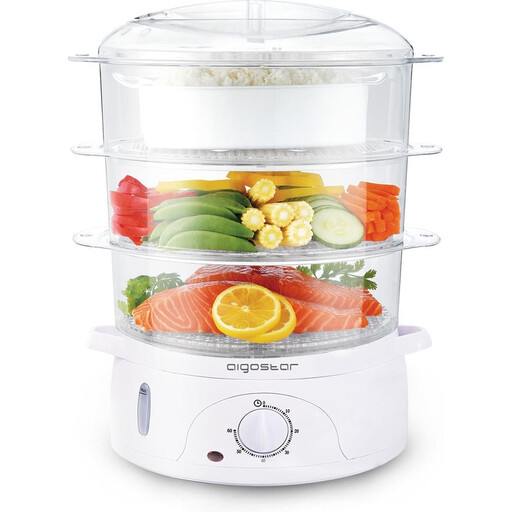
Why This Fits Their Persona: Ideal for those who want to start with healthy cooking without making a large initial investment. This model offers a lot of volume for an accessible price and is easy to use thanks to its timer.
The plastic used is BPA-free, which is a key prerequisite for safety. The stackable tiers allow for compact storage, so the appliance doesn't take up unnecessary space.
Large 9-litre capacity spread over 3 tiers. Convenient 60-minute timer with automatic shut-off and a water level indicator.
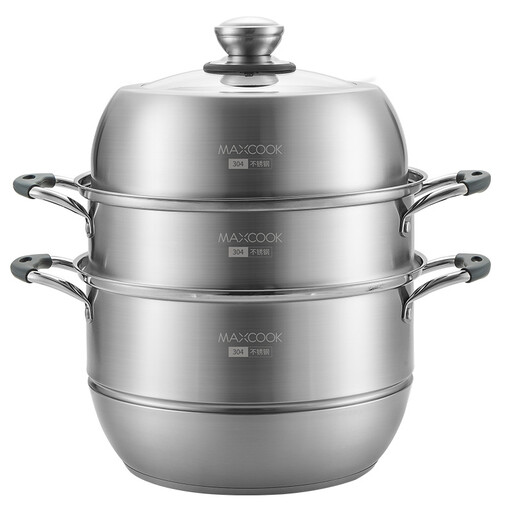
Why This Fits Their Persona: This large steamer pot is perfect for families. With three tiers and a 30 cm diameter, you can easily prepare a complete meal for several people on your own stovetop.
Made from 304 stainless steel, so there's no risk of warping, cracking, or absorbing odours. This is a durable pot built for intensive, daily use.
Suitable for all heat sources, including induction. The silicone handles provide a safe and comfortable grip. The pot is multi-functional and can also be used as a stockpot.

Why This Fits Their Persona: For those who want more than just steaming. This appliance is an electric cooking pot, slow cooker, hot pot, and steamer all in one. Perfect for a small kitchen or for anyone looking to get maximum functionality from a single device.
Because it combines multiple functions, it's unlikely to end up unused in the cupboard. The inner pot has a non-stick coating, which significantly simplifies cleaning after cooking or simmering.
Two power settings for fast cooking or slow simmering. The steamer is detachable, allowing you to use the pot on its own. A true all-rounder for the modern kitchen.
We have compiled a complete, up-to-date list of products that fully meet these strict selection criteria and applicable safety regulations.
Most modern steamers have removable parts that are dishwasher-safe. Always check the manual to confirm. For stainless steel parts, use a soft sponge to prevent scratches. For limescale buildup in the water reservoir of an electric steamer, you can periodically descale the appliance with a mixture of water and vinegar, just as you would with a kettle.
Functionally, there is little difference in the final result, provided both appliances are well-designed. Stainless steel retains heat slightly better and distributes it more evenly, which can help when cooking larger pieces of meat or fish. Plastic is often transparent, allowing you to see the process better without lifting the lid and letting steam escape.
Yes, that is one of its major advantages. The general rule is to place food with the longest cooking time (like potatoes, meat, or hard vegetables) in the bottom tier. Food that cooks more quickly (like fish, leafy greens, or asparagus) should be placed in the upper tiers. This way, everything is ready at the same time.
