
Vandaag of morgen in huis

Kwaliteit gegarandeerd

Welkomstaanbiedingen ontgrendelen: GRATIS bezorging | Tot 80% korting | Gratis 30 dagen JoyPlus-proefperiode
Download de app
When you’re looking to buy sports nutrition, you’ll quickly come across a wide range of pre-workout shots, protein drinks, sugar-free energy drinks and sports powders. The packaging often promises focus, energy or recovery, but not every product suits every training moment. A smart choice starts not with the flavour or a well-known brand name, but with the label, the dosage and how you plan to use it.
A pre-workout supplement or energy drink with lots of caffeine might seem appealing. However, more isn’t automatically better. According to the product information, an Optimum Nutrition Pre-Workout Shot contains 175 mg of caffeine per 60 ml bottle. The Cellucor C4 Energy Preworkout Shot lists 150 mg of caffeine per bottle. Ghost Energy contains 200 mg of caffeine per can, according to the product information.
Add coffee, tea and other caffeinated products to that. Always check the warnings on the packaging, stick to the recommended amount and don’t simply combine several caffeine products. These products are intended for adults; some are not suitable for children, pregnant women, breastfeeding women or people who are sensitive to caffeine.
A sugar-free energy drink can be handy when you don’t want to add sugar. However, that doesn’t mean every drink provides enough carbohydrates or electrolytes for a long bike ride, running session or team sport.
For prolonged exercise, an isotonic sports drink with carbohydrates and minerals can be more practical. Body & Fit Isotonic Electrolytes Drink lists 32 g of carbohydrates and 129 kcal per 35 g serving. A sugar-free drink, on the other hand, serves a different purpose. So first consider the duration and intensity of your workout.
A protein drink, protein water or protein bar can help you plan extra protein into your daily diet. Don’t just focus on the protein number; also pay attention to allergens, calories, sugar, serving size and when you want to use the product.
Optimum Nutrition Protein Water lists 16 g of whey protein isolate per 350 ml bottle, with 64 kcal and no sugar according to the product information. A Nutramino XL Protein Bar contains 25 g of protein per 74 g bar according to the bundle information, but also around 284 kcal and 19 g of sugar. A bar is therefore a different choice from a light protein drink.
Always compare the same unit. A 500 ml can, a 60 ml shot and a scoop of powder are not directly comparable. Note down before you buy:
With a clear whey or protein powder, you also need to look at the amount of water the product is mixed with. A larger amount of water changes the taste and volume, but not the amount of protein per scoop.
Before training: a pre-workout shot can be practical if you want a fixed serving and no mixing. The shots mentioned contain caffeine and beta-alanine. According to the product information, beta-alanine may temporarily cause a tingling sensation in some users.
During training: for a long or intense session, carbohydrates and electrolytes can be more useful than caffeine alone. An electrolyte drink or isotonic sports drink is then a logical category to compare.
After training: a protein drink, protein water, clear whey or protein-rich sports nutrition is suitable when you want to add protein in an easy way. This does not replace a varied meal.
Whey products contain milk. Some protein bars also contain soya, gluten or other ingredients. So always read the current packaging, especially if you have an allergy or intolerance. Once opened, protein water should be kept refrigerated and consumed within 24 hours, according to the product information. Powders should be stored in a dry, cool place and kept tightly sealed.
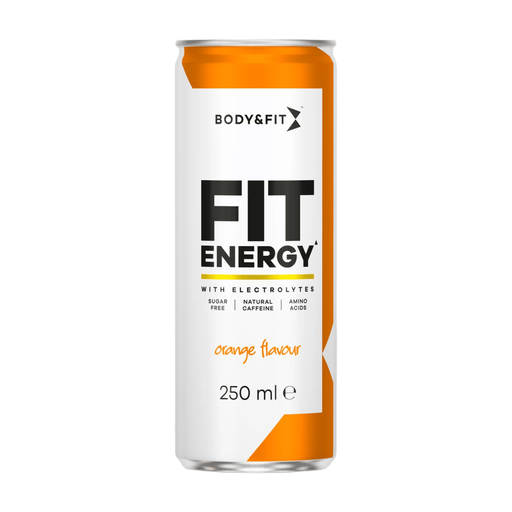
Why this fits the profile: A compact can for adults who want to try a ready-to-drink beverage before or during a workout without buying a large multipack.
The product information states 100 mg of caffeine, 70 mg of magnesium and added electrolytes per can. This means you can clearly estimate the serving size in advance.
250 ml per can, sugar-free according to the product information, with amino acids and magnesium.
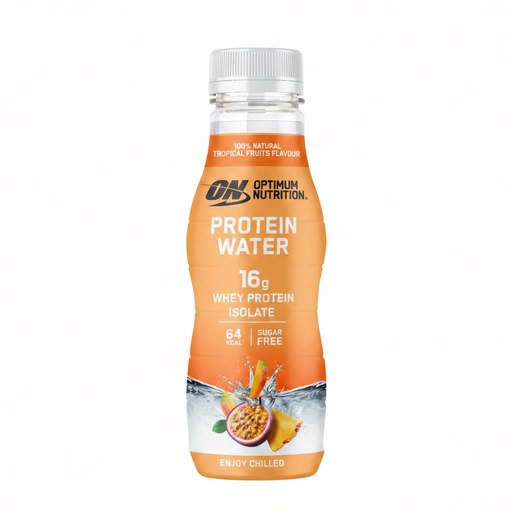
Why this fits the profile: For athletes who don’t want a creamy shake and are looking for a light, fruity protein drink for after exercise or on the go.
The serving size is clearly defined: according to the product information, one bottle contains 16 g of whey protein isolate and 64 kcal. This makes it easy to compare per bottle.
Sugar-free according to the product information, 0 g of fat and a ready-to-drink 350 ml bottle. Contains milk.
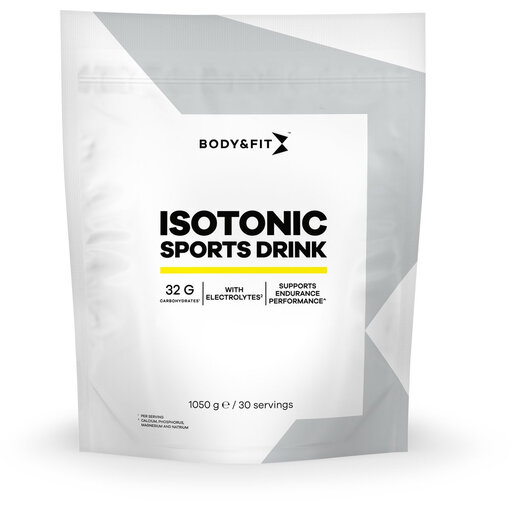
Why this fits the profile: Suitable for those who regularly do longer workouts and prefer to prepare the concentration of a sports drink themselves.
The dosage is clearly stated: one 35 g scoop per 500 ml of water. According to the product information, the pack contains 30 servings.
32 g of carbohydrates and 129 kcal per stated serving, with minerals and a total content of 1.05 kg.
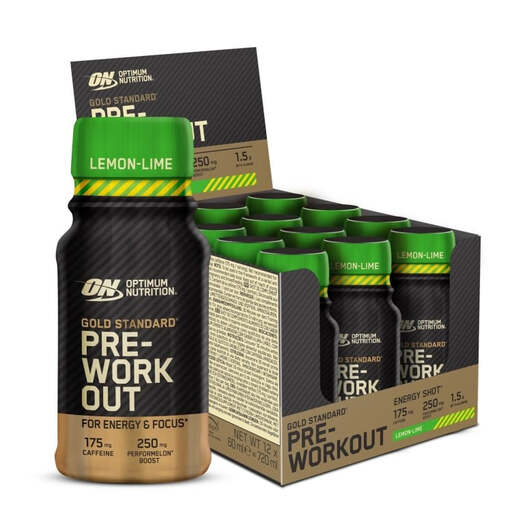
Why this fits the profile: A multipack of 12 individual shots for athletes who want to plan their intake in advance and don’t want to mix powder.
The product information states one 60 ml bottle as the recommended serving and a maximum of one bottle per day. This keeps the dosage clear and simple.
175 mg of caffeine and 1.5 g of beta-alanine per shot according to the product information; sugar-free and ready to drink.
We’ve put together a full, up-to-date list of products that fully meet these strict selection criteria and comply with current European safety regulations.
That depends on your overall diet and training goal. A protein drink, clear whey, protein water or protein bar can be a practical way to take extra protein after exercise. Check the serving size and allergens. Protein-rich sports nutrition does not replace a normal, varied meal.
No. A pre-workout shot typically contains caffeine and sometimes beta-alanine or other ingredients. Check your caffeine intake from all sources and follow the warnings on the label. It’s best to avoid a caffeine product if you are sensitive to it or if the product information advises against its use.
Calculate the price per serving rather than just the price of the pack. Divide the purchase price by the number of shots, bottles, bars or prepared servings. With powder, you also need to factor in the recommended scoop size and the amount of water required. This way, you can compare a multipack, protein drink and isotonic sports drink on the same basis.
