
Vandaag of morgen in huis

Kwaliteit gegarandeerd

Welkomstaanbiedingen ontgrendelen: GRATIS bezorging | Tot 80% korting | Gratis 30 dagen JoyPlus-proefperiode
Download de app
If you’re looking to buy spicy snacks, you’ll quickly come across a huge range of Asian snacks, international snacks, Chinese snacks and spicy crisps. But a flashy packet doesn’t tell you much about the heat level, portion size or whether it’s right for your occasion. A snack for a film night, for example, calls for a different pack than an individual bag for on the go.
With these practical selection tips, you can compare products based on verifiable information such as weight, packaging, ingredients, allergens and nutritional values.
Words like “hot”, “spicy” or “chilli” don’t always indicate how strong the flavour really is. One snack combines chilli with lime, while another is mainly salty, sweet or savoury. Wasabi and Sichuan pepper also give a different kind of kick compared to ordinary chilli powder.
So check the ingredients list. Look out for terms such as chilli, cayenne pepper, Sichuan pepper, wasabi and spices. The order of ingredients gives a useful clue: ingredients listed earlier are generally present in larger amounts.
A multipack or snack box can be handy for a party, but always check the number of bags and the total weight. A box with twenty small portions is great for sharing, whereas one 200 g bag is often easier for a film night at home.
Compare the price per 100 g rather than just the price of the pack. Also check whether the packaging is individually sealed. This helps keep opened snacks crunchier for longer, but always follow the storage instructions on the label.
Vegetarian snacks can contain soya, wheat, sesame or other allergens. This applies, for example, to konjac snacks, spicy tofu and wheat gluten snacks. If you have a food allergy, always check the actual packaging. Product information on a website may differ from the information on the physical label.
Also look out for preservatives, flavour enhancers and sulphites if you want to avoid these ingredients. A product that is free from the 14 main EU allergens may still contain other ingredients that are relevant to you.
First, decide which type of flavour you’re after:
The product description may indicate a flavour direction, but don’t take the brand’s wording as an objective measure of heat. There’s no universal spice scale for these snacks that every brand uses the same way.
For individual snacking, bags of around 30 to 125 g are practical. For sharing, packs of 160 to 360 g or multipacks are more convenient. Individual bags in a snack box limit exposure to air and make sharing easier.
When checking a multipack, look at:
The nutrition table helps you compare products more fairly. Pay particular attention to salt, fats, saturated fats and energy per 100 g. The values vary widely: some konjac snacks contain around 108 to 117 kcal per 100 g according to the product information, while crisps are often around 497 to 528 kcal per 100 g.
That doesn’t automatically make a snack suitable or unsuitable. It does help you choose a portion that fits your eating occasion. Also check allergens such as soya, wheat, gluten, milk, sesame and sulphites. If in doubt, the label on the product is the final word.
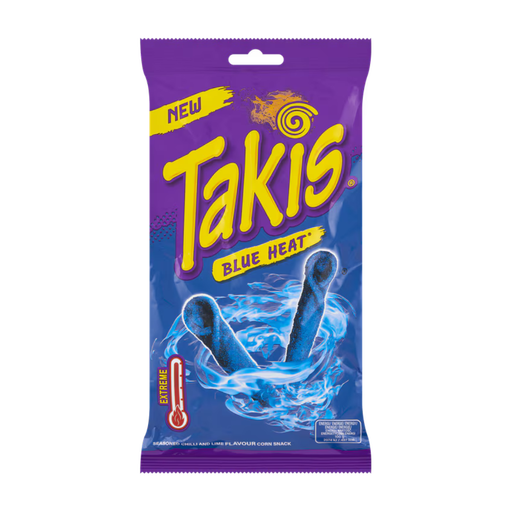
Why this fits the profile: A straightforward 100 g bag is an easy way to try spicy crisps with a chilli and lime flavour.
The weight and flavour direction are clearly stated. The product information lists soya as an allergen and possible traces of gluten, milk, nuts, sesame and mustard.
100 g content, crunchy rolled corn snack and, according to the product information, vegan. Check the label at purchase.

Why this fits the profile: The box contains twenty individual portions and suits anyone who cares about texture, portion control and a distinctive Sichuan style.
The number of portions and total weight are specified. The product information lists soya and wheat as allergens; check the actual packaging.
360 g total, 20 bags of 18 g and a konjac base with chilli and Sichuan pepper according to the product description.

Why this fits the profile: The chewy wheat gluten texture is different from crisps and suits gamers, students or snack lovers who want to make one portion last longer.
The content is 106 g and the snack is ready to eat. The allergen information lists wheat, soya and sesame.
Chewy wheat snack, 106 g per pack and suitable for serving during a games night or party.
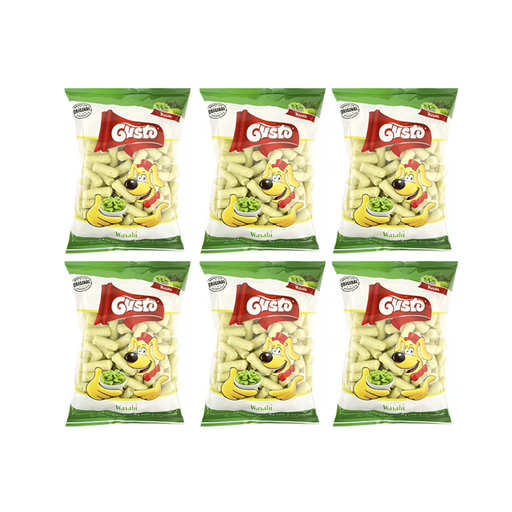
Why this fits the profile: According to the product information, these light corn snacks are suitable for vegetarians and come in six packs.
The product information states a weight of 80 g per pack, six units and none of the 14 main EU allergens. Always check the current label.
Light texture, wasabi flavour and six separate packs for sharing or keeping in the cupboard.
We’ve put together a full, up-to-date list of products that fully meet these strict selection criteria and comply with current European safety regulations.
Choose a multipack, snack box or box with individually wrapped portions. That way guests can try several flavours and the rest stays sealed. With mixed boxes, check the allergens and the proportion of truly spicy varieties; some multipacks also contain plain, cheese or paprika flavours.
No. Some snacks are vegetarian, such as certain konjac, tofu and corn snacks, but others contain animal ingredients or unclear flavourings. Check the vegetarian symbol and the ingredients list. If in doubt, the actual product packaging is the guide.
Store opened snacks according to the instructions on the packaging, usually in a cool, dry place away from direct sunlight. Seal a bag tightly or use an airtight container to help keep them crunchy. Individually wrapped snacks only need to be sealed after opening the individual bag.
