
Vandaag of morgen in huis

Kwaliteit gegarandeerd

Welkomstaanbiedingen ontgrendelen: GRATIS bezorging | Tot 80% korting | Gratis 30 dagen JoyPlus-proefperiode
Download de app
If you’re looking to buy spicy snacks, you’ll quickly come across dozens of bags, tubes and portions labelled “hot”, “spicy” and “mala”. These words don’t always make it clear how hot, salty or large the snack actually is. An attractive packet can also push important information about allergens, preparation or storage into the background.
With this practical guide, you can focus on the features that suit your eating occasion. That way, you’ll find it easier to choose spicy crisps, Asian snacks, Chinese snacks, Indian snacks and other spicy snacks for home, on the go or for a party.
There’s no standard European scale that indicates how spicy a ready-to-eat snack is. A product with chilli can taste mainly sweet, sour, salty or aromatic. Mala adds the characteristic tingling effect of Sichuan pepper. That’s quite different from just more chilli.
So look at the ingredients. Words like chilli, cayenne pepper, jalapeño and Sichuan pepper give a better clue than just the name on the front.
A large bag can contain a relatively small amount, while a multipack consists of several individual portions. Always check the net weight and compare it with the price. For a film night, 165 or 200 grams is practical; for lunchboxes or on the go, smaller portions are more convenient.
Also pay attention to the packaging after opening. A resealable tube or bag helps keep the crunchiness, but doesn’t change the recommended storage conditions.
International snacks often contain wheat, soya, milk, egg, sesame, peanuts or shellfish. With products that include dough, gluten or seasoning powder, it’s important to check the actual packaging. Product information on a website may differ from the label, according to the supplier.
Not every snack is ready to eat straight away. A frozen product for hotpot, such as fried dough sticks, must be fully heated. If in doubt, always follow the preparation instructions on the packet.
First, choose the kind of eating experience you want:
Check the allergen overview before you order. Among the products discussed, for example, wheat and soya appear in the WEILONG Spicy Stick, soya and wheat in the konjac snack, and wheat and milk in some Pringles varieties. According to the product information, the Copico crisps contain prawn powder, soya and wheat among other things.
Also compare salt, fats and sugar per 100 grams. This makes different packet sizes easier to compare. A smaller bag isn’t automatically a lighter choice; the nutritional panel per 100 grams gives a fairer picture.
Store dry crisps and snacks in a cool, dry place, away from heat, moisture and direct sunlight. Seal the packet well after opening. Frozen products require more planning: keep them frozen, don’t refreeze them after thawing, and follow the cooking time.
With products that come in small individual portions, such as seaweed or a 40-gram bag, there’s less chance that an opened packet will sit around for long. That can be handy for the office, on the go, or for a drinks party with several flavours.
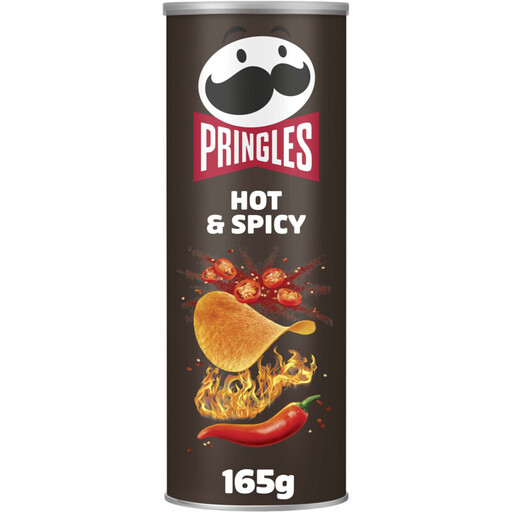
Why this fits the profile: A familiar, ready-to-eat potato snack in a practical tube for home, on the go or for a small group.
The net weight of 165 g is clearly stated. The product information also mentions gluten and milk as allergens, with soya as a possible presence.
165 g content, ready to eat and a resealable packet according to the product description.
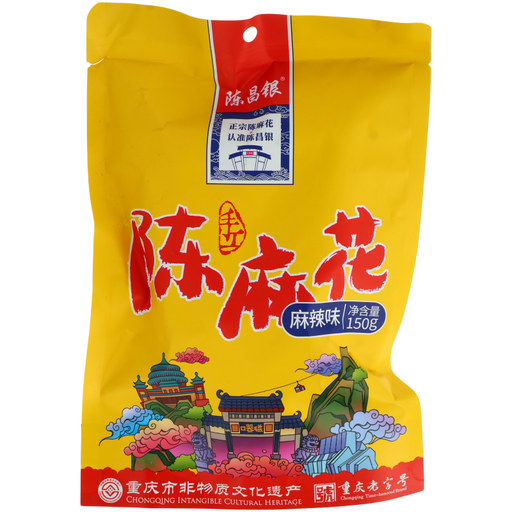
Why this fits the profile: For those who aren’t looking for standard crisps, but a traditional Chinese snack with a firm, twisted dough texture and a mala flavour profile.
The product description explicitly mentions wheat, egg and sesame. This means you can check the label purposefully rather than relying only on the term “spicy”.
150 g content and a mala profile in Sichuan style; according to the product information, it can be stored at room temperature.

Why this fits the profile: The chewy texture and ready-to-eat portion suit long gaming sessions, film nights and fans of Chinese snacks with wheat gluten.
The ingredients and allergens are clearly stated: wheat, soya and sesame. The snack is ready to eat, so no incorrect preparation is expected.
106 g content, firm gluten structure and a ready-to-eat packet with chilli and spices.
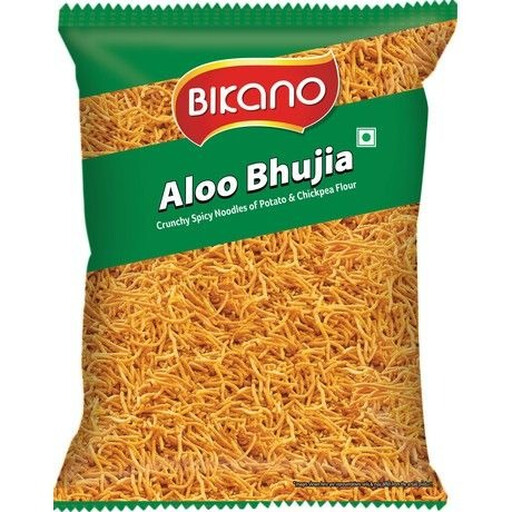
Why this fits the profile: An Indian snack based on potato and chickpea flour, suitable for tea, drinks parties and a vegetarian snack mix.
The product information states a portion of 200 g, the ingredients and a vegetarian composition. Always check the packet again for up-to-date details.
Crunchy mix of potato and chickpea flour, ready to eat and suitable for sharing.
We’ve put together a full, up-to-date list of products that fully meet these strict selection criteria and comply with current European safety regulations.
Choose products with a shareable packet, such as Pringles, Bikano Aloo Bhujia Mix or a snack mix. Combine crunchy potato crisps with a chewy Chinese snack and a milder option. That way, guests can choose their own texture and heat level. Ideally, display allergen information clearly next to the bowls.
That varies from product to product. Bikano Aloo Bhujia Mix is described as vegetarian in the product information. Other snacks may contain soya, wheat, sesame or animal ingredients. Copico Spicy Crayfish, for example, contains prawn powder. So always check the current label and don’t rely solely on the colour or name of the packet.
Store dry snacks in a cool, dry place away from direct sunlight. Seal an opened bag or tube well to limit moisture and loss of crunchiness. A frozen product, such as hotpot dough sticks or Korean chicken, must stay frozen according to the packet. For all products, pay attention to the stated best-before date and usage instructions.
