
Vandaag of morgen in huis

Kwaliteit gegarandeerd

Welkomstaanbiedingen ontgrendelen: GRATIS bezorging | Tot 80% korting | Gratis 30 dagen JoyPlus-proefperiode
Download de app
Buying speciality beer might seem straightforward, but a striking label doesn’t always tell the full story. A high alcohol percentage, for example, doesn’t automatically mean a richer flavour. Terms like craft beer, “traditionally brewed” and “premium” only mean something when you compare them against verifiable product information.
When ordering online, watch out for three common pitfalls:
Below, you’ll find out what to look for when buying Belgian speciality beer, Dutch speciality beer and international beer from places like Australia, Ireland and Japan.
The beer style gives you an initial idea, but also look at the alcohol percentage and the described flavour.
A higher percentage also means you can pour smaller servings. Drink alcohol in moderation and remember the legal minimum age.
The origin matters when you’re after a particular brewing tradition or flavour direction. Belgian speciality beer often features well-known blonde abbey and tripel styles, while Dutch speciality beer also offers plenty of variety in IPAs, wheat beers, bocks and dark beers. International beer may use a different hop variety, malt base or fruit component.
Always check:
Most of the products mentioned contain barley and therefore gluten. Some also contain wheat, oats or other grains. If you need to avoid allergens, it’s best to check the actual packaging rather than relying solely on the beer style.
A single 300 ml or 330 ml bottle is practical for a tasting or as a gift. A multipack makes more sense for a dinner party, stocking up or a social occasion. When comparing, don’t just look at the price per pack – also compare the price per litre.
Store beer according to the product information: cool, out of direct sunlight and away from strong temperature fluctuations. Some beers are best enjoyed chilled, while a fuller brown ale or bock is better served less cold. Before use, check the seal and refer to the best-before information on the packaging.
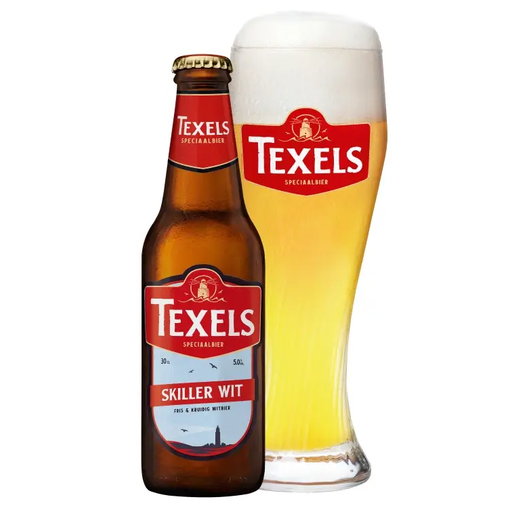
Why this suits the profile: With 5% ABV and a 300 ml bottle, this is an accessible choice for anyone wanting to explore different styles without jumping straight into a strong beer.
The product information lists the alcohol percentage, ingredients and allergens. That means you don’t have to rely solely on marketing terms or the packaging.
5% ABV; 300 ml; ingredients include wheat malt, coriander and citrus.
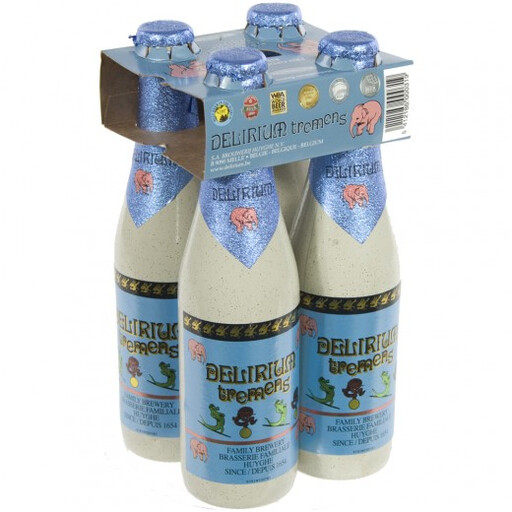
Why this suits the profile: This Belgian strong blonde ale comes in a multipack of four 330 ml bottles with a clearly stated ABV of 8.5%.
The product page mentions the origin, brewery, serving temperature of 3–6 °C and allergens. That makes it easier to compare with other strong beers.
4 x 330 ml; 8.5% ABV; fruity aromas are mentioned in the product description.
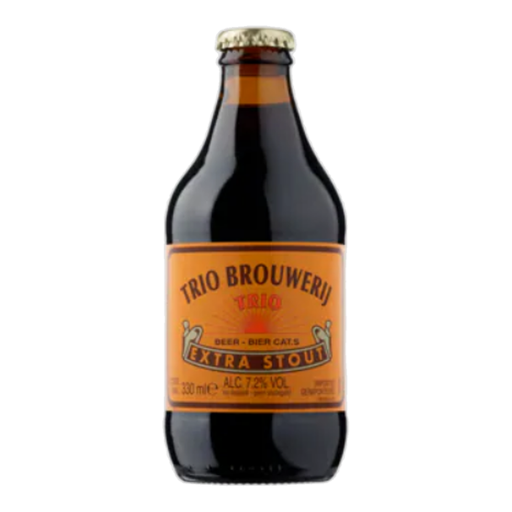
Why this suits the profile: If you’re deliberately choosing a dark, full-bodied beer style, you get a stout with 7.2% ABV in a 330 ml glass bottle.
The product description mentions storage away from sunlight and heat, the bottle volume and seal check. That keeps the practical side of the purchase visible too.
7.2% ABV; 330 ml glass bottle; described as robust and full-flavoured.
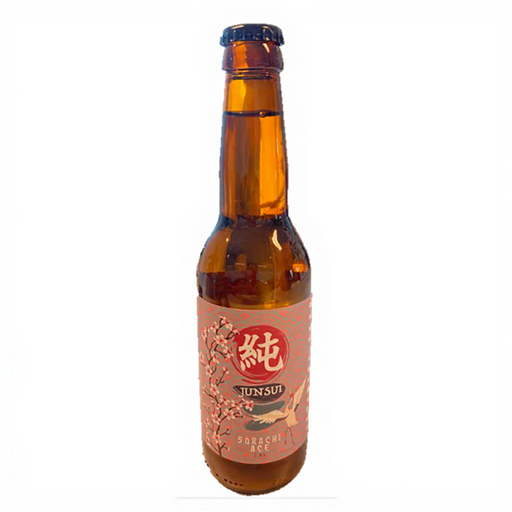
Why this suits the profile: According to the product information, this Japanese beer uses Sorachi Ace hops and is designed for anyone wanting to try a different combination of citrusy and spicy notes.
The hop variety, bottle volume, ingredients and allergens are all listed. That means you can base your choice on the composition rather than just the country of origin.
330 ml; Japanese origin; Sorachi Ace hops; described as fresh with citrusy and spicy notes.
We’ve put together a full, up-to-date list of products that fully meet these strict selection criteria and comply with current European safety regulations.
A beer with around 4.5% to 6% ABV and a clear flavour description is often a practical place to start. Wheat beer, pale ale and fruit beer are possible directions. Also look at the bottle size and consider buying individual bottles first rather than a large multipack.
Store the bottles in a cool, dark place away from direct sunlight. Avoid large temperature fluctuations. Always follow the brand’s storage label and check the seal and best-before information before opening.
That varies by brand, origin, packaging and alcohol percentage. So compare the price per litre rather than just the price of one bottle. A multipack can be practical for a dinner party, while individual bottles are handier for tasting different styles.
