
Vandaag of morgen in huis

Kwaliteit gegarandeerd

Welkomstaanbiedingen ontgrendelen: GRATIS bezorging | Tot 80% korting | Gratis 30 dagen JoyPlus-proefperiode
Download de app
Are you looking to buy soy drink for breakfast, coffee, smoothies or cooking? You’ll quickly come across plenty of varieties: unsweetened soy drink, vanilla- or banana-flavoured soya milk, Korean soya milk and multipacks for on the go. However, the packaging can sometimes tell a different story from the nutrition table.
So pay particular attention to three common pitfalls:
The nutrition table per 100 ml makes it easier to compare different types of plant-based milk. At the very least, look at:
Be aware of the difference between “sugar-free” and “no added sugar”. Always check the current packaging, as recipes can change.
Soya is an allergen and must be clearly stated on the label. A lactose-free soy drink is suitable for those avoiding dairy, but lactose-free doesn’t automatically mean free from all allergens. Some products may also contain gluten-containing ingredients, such as grains or barley milk.
A product may be described as vegan, but if in doubt, check the ingredients list and allergen information. This is especially important with Korean soya milk, Asian soy drinks and drinks containing grains, malt or biscuit-like flavourings.
For daily use, a 1-litre carton is practical for porridge, coffee, pancakes and smoothies. A soy drink multipack with 190 ml, 200 ml or 250 ml packs is more convenient for lunch, the office or on the go.
The flavour also determines how versatile the drink is:
A fortified variety with calcium or vitamins isn’t necessarily right for everyone. Compare the nutritional information with your own preferences and diet.
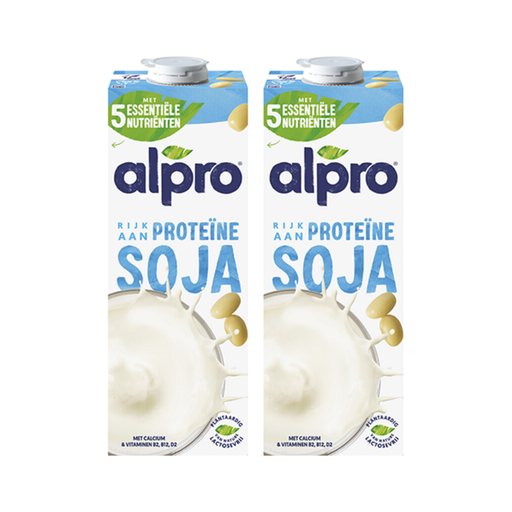
Why this suits the profile: The pack contains two 1-litre cartons, making it practical for regular household use. According to the product information, this variety has 3.0 g protein and 2.5 g sugar per 100 ml.
The multipack makes it easier to compare the price per litre. Do check the current ingredients list and best-before date on the packaging.
2 × 1 litre, UHT drink, source of calcium and vitamins according to the product information.
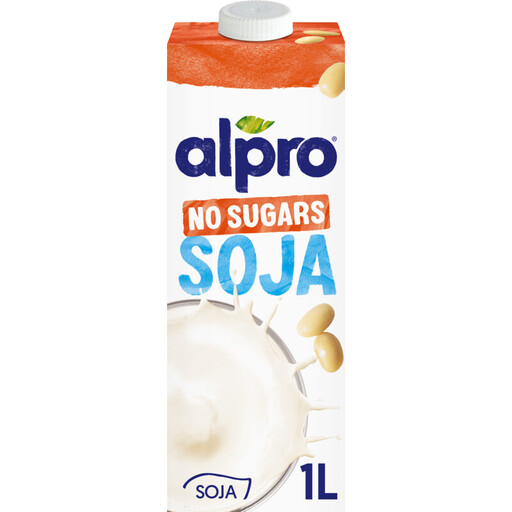
Why this suits the profile: This unsweetened soy drink is designed for users who want to control the sweetness themselves and need one base drink for breakfast, smoothies and cooking.
The nutritional information states 0 g sugar and 0 g carbohydrates per 100 ml. This makes it immediately clear that it’s not a sweetened original variety.
3.3 g protein, 120 mg calcium and added vitamins B2, B12 and D2 per 100 ml according to the label.
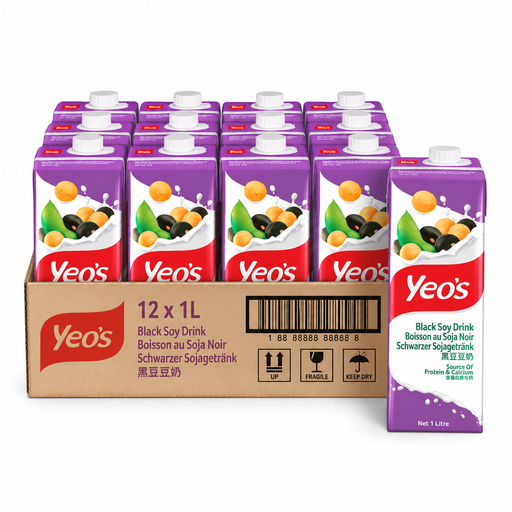
Why this suits the profile: A case of twelve 1-litre cartons suits families, catering-style use or fans of Asian drinks who want to keep a stock.
The contents and nutritional values are clearly specified: 44 kcal, 5.0 g sugar, 2.0 g protein and 67 mg calcium per 100 ml. This allows you to weigh up stock and nutritional profile in advance.
12 × 1 litre, black soy drink, source of calcium according to the product information and suitable for serving chilled or at room temperature.
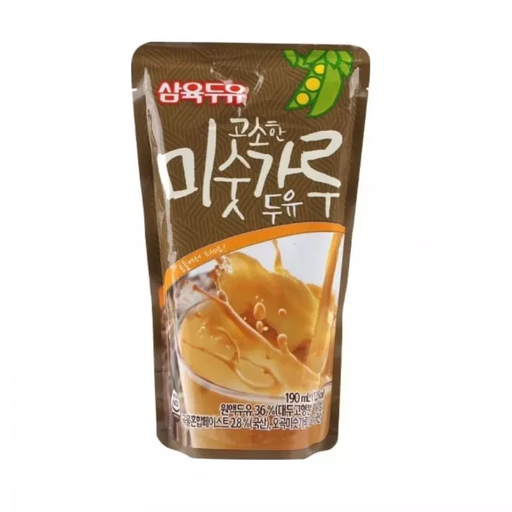
Why this suits the profile: This Korean soya milk combines soy drink with roasted grains and, thanks to its 190 ml size, is ideal for breakfast, work or a drink on the go.
The ingredients list includes barley and wheat, among others. This means you can check in advance whether this Asian soy drink fits your diet.
190 ml per pack, roasted grains, 3 g protein and 14 g sugar per 100 g according to the product information.
We’ve put together a full, up-to-date list of products that fully meet these strict selection criteria and comply with current European safety regulations.
In the UK, the term soy drink is often used for a plant-based alternative to milk. “Soya milk” is a commonly used search term and product name in online shops. The composition varies by brand, so always compare the ingredients and nutritional values.
An unsweetened soy drink with a neutral flavour is generally practical for coffee, sauces, pancakes and savoury recipes. Check that the drink works well when heated, and shake the carton before use if the packaging advises it.
Unopened UHT soy drink can be stored outside the fridge according to the instructions on the carton. Once opened, the drink must be kept refrigerated. Many products recommend using it within a few days; Vitasoy, for example, advises consuming within 24 hours. Always follow the current instructions on the packaging.
