
Vandaag of morgen in huis

Kwaliteit gegarandeerd

Welkomstaanbiedingen ontgrendelen: GRATIS bezorging | Tot 80% korting | Gratis 30 dagen JoyPlus-proefperiode
Download de app
Do you want to buy soy drink, but find yourself overwhelmed by the many flavours, brands and packaging options on offer? In shops and online, terms like “creamy”, “high in protein” and “no added sugar” are often plastered across the front. Yet those words don’t tell the whole story.
Pay particular attention to three common pitfalls:
Soy drink is also often called soya milk. In practice, it’s a plant-based drink made from soya beans. The options below range from unsweetened soy drink and barista soy drink to Asian-style soy drinks and handy multipacks.
Always compare the “of which sugars” value per 100 ml. The differences can be significant. For example, Alpro Unsweetened Soy Drink lists 0 grams of sugars per 100 ml. The standard Alpro Soyadrink Original lists 2.5 grams of sugars per 100 ml. Flavoured varieties typically contain more sugar: Alpro Vanilla has 6.8 grams per 100 ml, and Alpro Banana has 6 grams.
An unsweetened variety works well in coffee, porridge, smoothies and savoury recipes. For drinking straight, some people prefer an original, vanilla or fruit variety. So don’t just look at the front of the pack – check the ingredients list too.
If you’re using a plant-based milk as a daily alternative, it’s worth comparing the nutritional values side by side. Alpro Original lists 3 grams of protein per 100 ml; the unsweetened variety lists 3.3 grams. Both product descriptions mention added calcium and vitamins.
That doesn’t mean every soy drink has the same composition. Vitasoy Original lists 2 grams of protein per 100 ml, while Yeo’s Black Soy Drink, according to the product information, contains 2 grams of protein and 67 mg of calcium per 100 ml. Use these figures as a comparison point, and always check the label on delivery, as recipes and packaging can change.
A 1-litre carton is handy for breakfast, cooking and daily use. If you only drink soya milk occasionally, smaller packs of 190 or 250 ml can help reduce waste. A soy drink multipack is practical for families, the store cupboard or the office, but first check the shelf life and your storage space.
According to the product information, unopened UHT products can be stored outside the fridge in a cool, dry place. Once opened, the drink must be kept refrigerated and used within the time stated on the pack. Shake the pack before use if the label advises it.
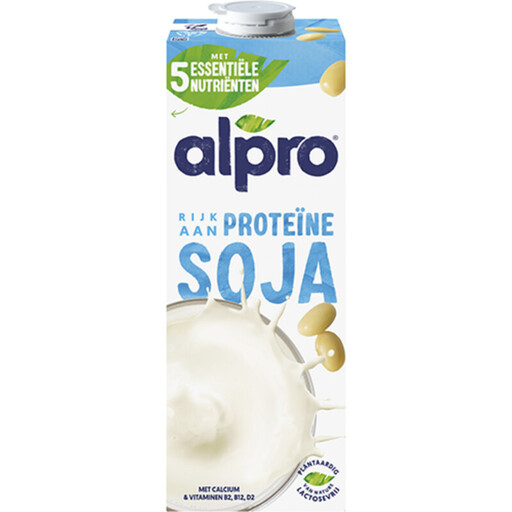
Why this suits the profile: A versatile 1-litre carton for breakfast cereals, smoothies, cooking or drinking from a glass. Its mild flavour makes it an accessible first plant-based alternative.
The nutritional information lists 2.5 g of sugars and 3 g of protein per 100 ml. This allows you to compare the choice concretely, rather than relying solely on marketing terms.
A source of calcium according to the product description, UHT-packaged and suitable for vegan and vegetarian diets.
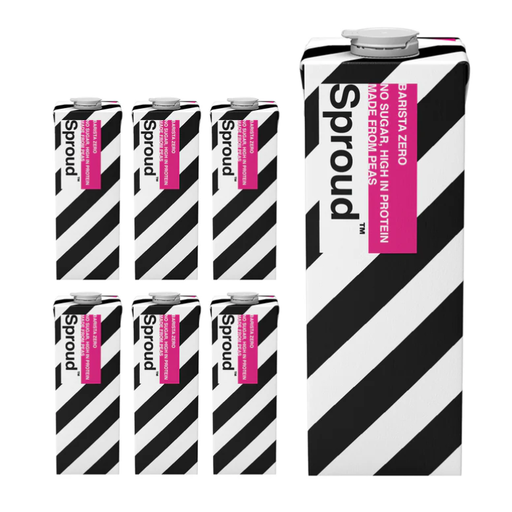
Why this suits the profile: Aimed at coffee lovers who regularly make cappuccinos, lattes or latte art and want to stock up in bulk.
The product description states no sugar and no added sweeteners. The barista positioning makes it clear this product is intended for hot drinks, not as a generic breakfast drink.
According to the product description, it froths well for coffee and comes in a pack of 6 × 1 litre. Check the current nutritional values on the label.
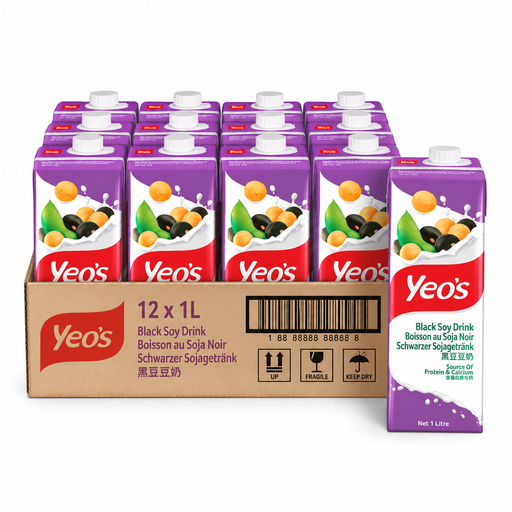
Why this suits the profile: Suitable for households and fans of Asian-style drinks who regularly use 1-litre cartons.
The packaging makes the total quantity clear: 12 × 1 litre. This allows you to calculate the price per litre rather than just looking at the total price.
The product information lists 67 mg of calcium and 2 g of protein per 100 ml. The drink can be served chilled or at room temperature.
We’ve put together a full, up-to-date list of products that fully meet these strict selection criteria and comply with current European safety regulations.
Many soy drinks are described as naturally lactose-free because they don’t contain cow’s milk. However, always check the current packaging and allergen information. Soya itself is a separate allergen. If you’re unsure about ingredients or food allergies, it’s wise to read the label carefully.
Choose a product that explicitly states it’s intended for coffee or frothing, such as a barista soy drink. The Sproud Barista ZERO is, according to the product description, developed for froth and latte art. A standard soy drink can also be used in coffee, but the result depends on the temperature, quantity and preparation method.
This varies by product. Store an opened pack in the fridge and follow the time stated on the label. Some small Asian-style soy drinks recommend consumption within 24 hours; other packs mention several days. So don’t just look at the best-before date before opening – also check the storage instructions after opening.
