
Same-day & Next-day Delivery

Quality Guaranteed

Unlock Your Welcome Offers: FREE Delivery | Up to 80% OFF | Free 30-day JoyPlus trial
Download the APP
If you want to buy soup online, you will quickly come across dozens of varieties: instant soup in sachets, ready-made soup in a pouch, tinned soup and dry soup mix. The differences are not limited to flavour. Portion size, preparation, shelf life and allergens also determine whether a product suits your needs.
If you focus only on attractive packaging or a familiar brand name, you may end up paying too much for a small portion or choosing a soup that does not suit the occasion. Use this practical checklist to compare products based on verifiable features.
A sachet of instant soup can be handy as a snack or starter, but it may contain just one small portion. Always check the net weight and the stated number of servings. For example, a 28-gram pack may contain several sachets, while a 570 ml pouch is often intended to serve two bowls.
Terms such as “authentic”, “rich in vegetables” or “free from artificial additives” do not tell you everything about the composition. Check the ingredients list and the nutritional values per 100 ml, 100 grams or serving. According to information provided by the brand, a soup may have certain properties; treat this information as a product claim and always check the label.
Soup mixes regularly contain wheat, gluten, celery, milk, egg, soya or mustard. Miso soup also often contains soya and sometimes wheat or fish. Once opened, ready-made soup usually has a limited shelf life. Online product information may also differ from packaging that has since been updated. For the final check, always refer to the current label.
Start by choosing according to when you plan to use the soup:
Pay attention to the instructions. Some pouches need to be shaken and must not be boiled. Other products should be heated gently for several minutes. Always follow the preparation instructions on the packaging.
Do not compare calories alone. Also consider:
A low calorie content does not automatically mean that a soup is the most suitable choice for you. A larger portion containing vegetables, noodles or pulses may be a better fit for a quick meal than a small cup of stock.
Dry soup mixes and sachets are generally suitable for storing in your cupboard, provided they are kept in a cool, dry place. With liquid soup, check whether the unopened packaging can be stored outside the fridge. Once opened, store the soup in the fridge according to the label and use it within the stated period.
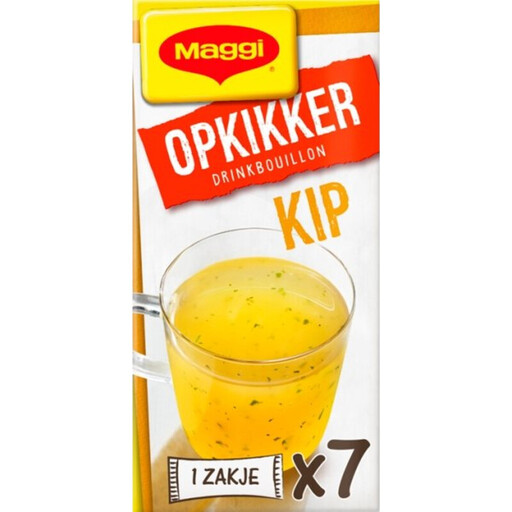
Why it suits this profile: The box contains 7 sachets of 100 ml. This makes it easy to divide portions for work, studying or a small snack.
The number of sachets and the portion size are clearly stated in the product information, so you will not mistake the pack for one large meal.
7 portions per pack; prepared with boiling water; 9 kcal per stated portion according to the product information.
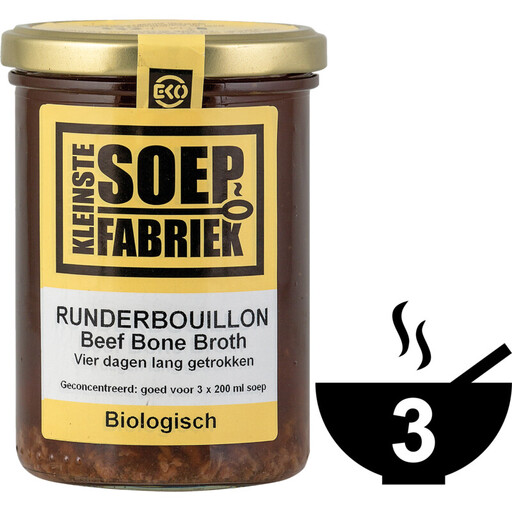
Why it suits this profile: If you are looking for a stock with a short, clear ingredients list, this liquid version from Groningen comes in a 400 ml pack.
The product information lists the ingredients, nutritional values and the allergen celery. This allows you to check whether it is right for you.
Organic ingredients according to the product description; produced in Groningen; refrigerate after opening.
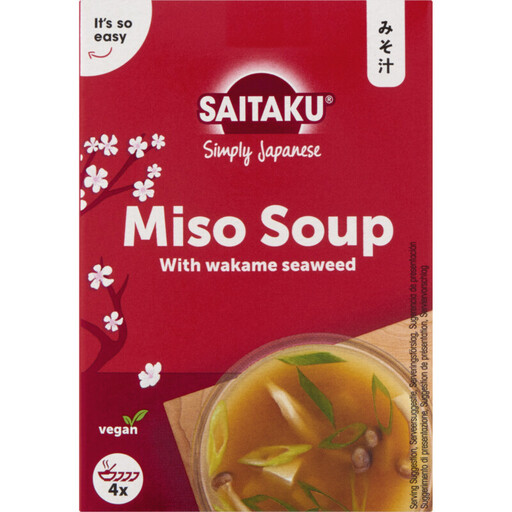
Why it suits this profile: This Japanese miso soup is ideal for lovers of savoury umami flavour and can be enhanced with noodles, shiitake or fresh vegetables.
The preparation volume of 160 ml and four portions are clearly stated. The allergens soya and wheat are also listed.
4 portions per pack; Japanese style; suitable as a snack, lunch or starter according to the product description.
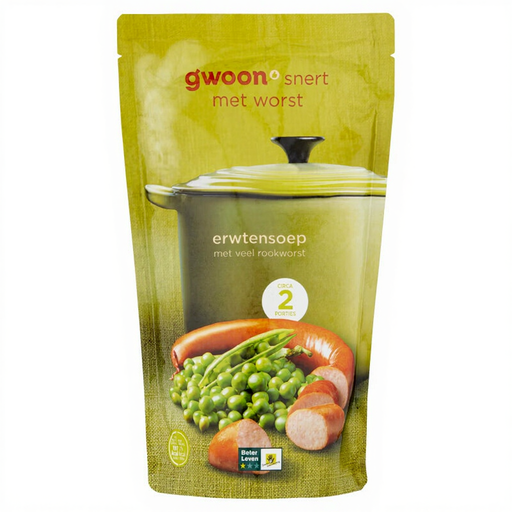
Why it suits this profile: A 570 ml pouch is practical for two bowls and suits anyone looking for a hearty Dutch meal soup.
The packaging states the volume, 24% peas and 6.5% smoked sausage. This lets you compare the contents rather than relying on the name alone.
570 ml contents; 24% peas; according to the product information, contains 6.5% smoked sausage and 4% bacon pieces.
We have put together a complete, up-to-date list of products that fully meet these strict selection criteria and the applicable European safety regulations.
This varies by product. Keep opened liquid soup refrigerated and follow the storage period stated on the label. Some products specify a maximum of two days. Use the packaging as your guide, not just the best-before date before opening.
It depends on the portion size. Compare the price per portion rather than just the price per pack. Instant soup can be good value for one cup, while a pouch is often more practical when you are looking for soup for two people.
You usually dissolve an instant version in boiling water. Shake soup in a pouch first, then heat it in a saucepan or microwave according to the instructions. Only boil a product if this is explicitly stated; some creamy soups should instead be heated gently.
