
Vandaag of morgen in huis

Kwaliteit gegarandeerd

Welkomstaanbiedingen ontgrendelen: GRATIS bezorging | Tot 80% korting | Gratis 30 dagen JoyPlus-proefperiode
Download de app
Looking for a new drink for your next get-together or party? Interest in Korean culture has surged in recent years, and this is reflected in the beverage landscape. Soju is more popular than ever, especially the flavored varieties. But with so much choice, it can be challenging to decide which bottle to pick.
This guide is designed to help you make an informed choice. We'll cut through the marketing noise and focus on the specs, so you know exactly what to expect when you order soju online.
Before you make a choice, there are a few key factors to consider. This will help you find the right bottle for the right occasion.
Soju typically has an alcohol by volume (ABV) that ranges from about 12% to 20%. The lower-ABV varieties, often around 12%, are usually the fruit-flavored ones. These are smooth and approachable, ideal for a casual get-together with friends or if you're new to Korean soju. Traditional, unflavored soju often has a higher alcohol content and a more distinct, spirit-forward taste.
One of the reasons for soju's popularity is the vast array of soju flavors. Fruity options like grape, peach, and apple are beloved for their sweet and refreshing profile. There are also more unique flavors, such as yogurt, which offer a creamy and tangy experience. If you're looking for a similarly sweet and fruity profile but want to try something different, exploring plum wine is another interesting option within the world of Asian beverages.
Ordering soju online offers a key advantage: the selection is often more extensive than in brick-and-mortar stores. You can easily compare different brands and flavors at your own pace. Plus, you can sometimes find a great soju deal, especially if you plan on buying in bulk for a party.
Based on product features and popularity, we've put together a few recommendations for you.
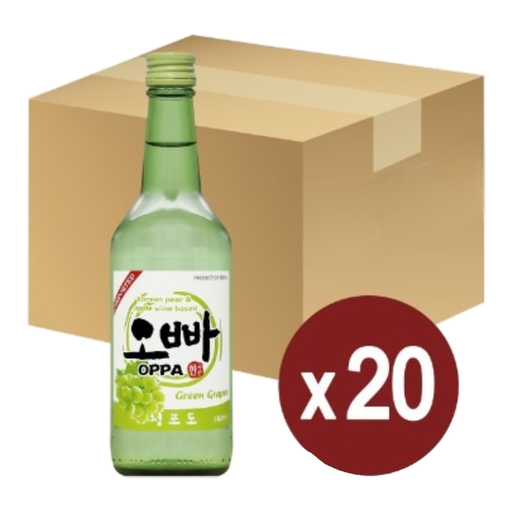
Why It Stands Out: This soju combines traditional smoothness with a distinctly sweet and refreshing green grape flavor. The bulk pack makes it a convenient and cost-effective choice for groups.
Pros:
Who It's For: Perfect for parties and get-togethers where you want to serve an approachable, fruity beverage that appeals to a wide audience. It's also a great choice if you want to stock up.
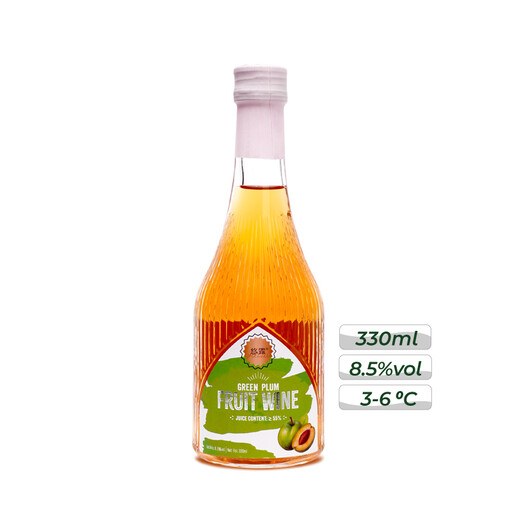
Why It Stands Out: A compelling alternative to soju. This Chinese plum wine offers a unique balance of sweet and tart notes. Its lower alcohol content makes it a light and aromatic aperitif.
Pros:
Who It's For: For those who want to try something different from Korean soju and are looking for a sophisticated, sweet-and-tart fruit wine. A great choice for a relaxed evening or as an aperitif before dinner.
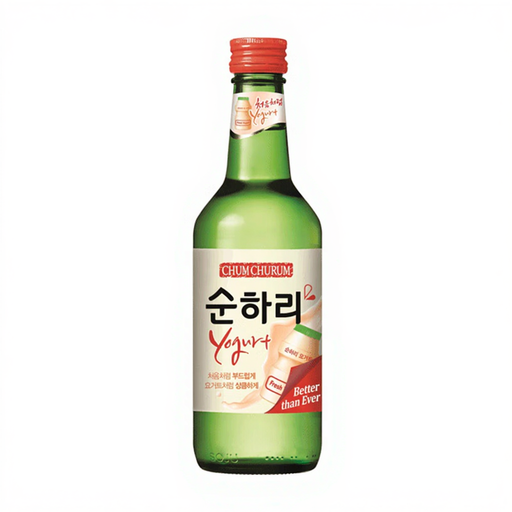
Why It Stands Out: This Chumchurum soju is notable for its unique, creamy yogurt flavor. It's a surprising twist on traditional soju that is smooth and slightly sweet, reminiscent of popular Korean yogurt drinks.
Pros:
Who It's For: For the adventurous drinker who enjoys sweet, creamy flavors and is looking for a unique soju experience. If you're a fan of drinks like Yakult, this is an intriguing option.
Taste is subjective. Beyond the popular soju and plum wine, there's a whole world of beverages to explore. Curious about more options, like Japanese sake, other fruit wines, or unique Asian liqueurs?
Explore our full range of Asian-Inspired Beverages and find your new favorite.
Soju is a clear, distilled spirit of Korean origin. Traditionally, it's made from rice, but modern versions often use other starchy ingredients like wheat or sweet potato. Its alcohol content is typically lower than that of spirits like vodka, making it more approachable.
Soju is typically served neat and chilled in small glasses. Serving it cold best enhances its flavors. It's also a popular base for a soju cocktail. A well-known mix is the 'yogurt soju,' where soju is combined with a yogurt drink, or a 'soju bomb' with beer.
Traditional, unflavored soju has a neutral, slightly sweet profile, often compared to a milder, diluted vodka. The popular varieties you see today are the soju flavors with added fruit notes like grape, peach, or apple. These are significantly sweeter and therefore very popular with those who prefer less of an alcohol-forward taste.
