
Vandaag of morgen in huis

Kwaliteit gegarandeerd

Welkomstaanbiedingen ontgrendelen: GRATIS bezorging | Tot 80% korting | Gratis 30 dagen JoyPlus-proefperiode
Download de app
When you want to buy soft drinks online, you’ll quickly see hundreds of options: from fizzy pop and sugar-free soft drinks to iced tea, energy drinks and Asian beverages. Comparing online is convenient, but product images and short marketing descriptions don’t always tell the full story. With a few simple checks, you can avoid ordering a multipack that doesn’t suit how you actually use it.
A product with 0 grams of sugar can still contain sweeteners. So alongside the nutritional information table, always check the ingredients list too. Look out for terms like sucralose, acesulfame-K, aspartame or other sweeteners. If you’re consciously trying to cut down on sugar, this helps you make a clearer distinction between a sugar-free soft drink, flavoured water and a drink that’s low in sugar but not completely sugar-free.
A soft drink multipack might look attractively priced, but always check:
For example, a box of 12 cans of 500 ml is a very different purchase to six bottles of 1.5 litres. For a household, a bulk pack can be practical, whereas a student or someone with limited storage might be better off choosing smaller packs.
“Fruit”, “ade”, “tea” or “coconut” doesn’t automatically mean a drink contains lots of fruit juice or pure coconut water. Check the percentage of juice or the proportion of the main ingredient. On some drinks, water appears first on the ingredients list, followed by sugar, acidity regulators and flavourings. That’s normal for many soft drinks, but it does help you make a realistic choice.
Compare the nutritional values per 100 ml. That makes different pack sizes comparable. A drink with 9.5 grams of sugar per 100 ml contains around 23.75 grams of sugar in a 250 ml bottle. With a multipack, the total amount soon adds up.
If you’re looking for a lighter option, vitamin water, flavoured water and sugar-free soft drinks are interesting categories to explore. Just check that “light” or “zero” actually matches the stated nutritional values. Nutritional claims must be backed up on the label, so always look at the product information rather than just the front of the pack.
First, decide which type of drink you’re after:
Don’t interpret a brand’s claim about hydration, energy or nutrients as a personal health benefit. According to a brand’s own information, a product may contain certain vitamins or minerals, but the ingredients list and nutritional information table remain the verifiable foundation.
Check whether the packaging suits how you’ll use it. A pouch with a straw is handy on the go, while a litre bottle is better for home use. Also pay attention to the storage instructions. Many drinks need to be stored unopened in a cool place away from direct sunlight. Once opened, refrigeration is often required and there’s a limited consumption period.
If you have allergies, always check the actual packaging. Product information can change, and some drinks are produced on equipment that also processes other foods. A statement like “does not contain any of the 14 major EU allergens” applies only to the specific product information and is not a substitute for checking the label.
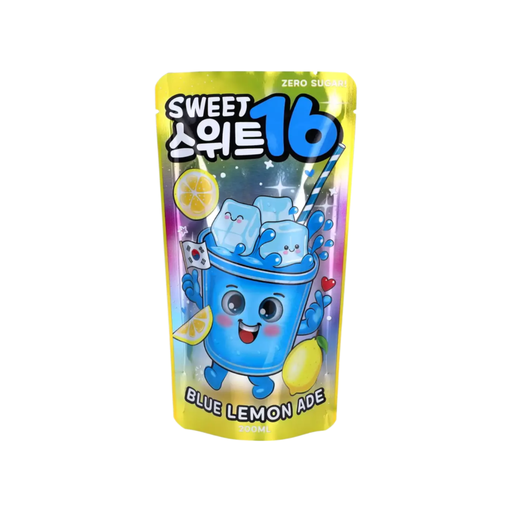
Why this fits the profile: A small pack with lemon flavour and, according to the product information, no sugar. Handy for trying a flavour first without committing to a large stock.
The packaging makes the portion size clear, and the product description states no sugar. Do check the current label before purchase.
200 ml per pack; lemon flavour; according to the information provided, free from the 14 major EU allergens.
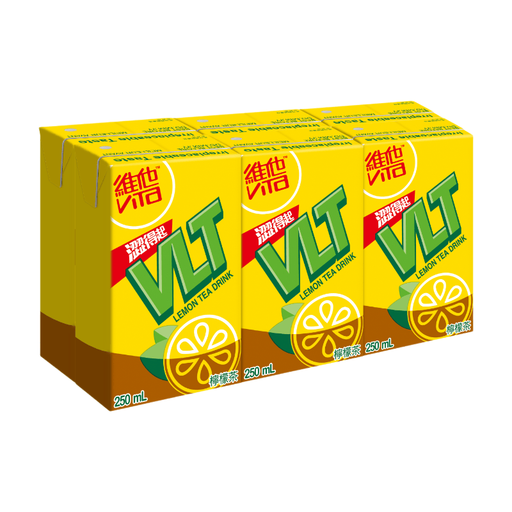
Why this fits the profile: This multipack combines black tea with lemon flavour and, according to the product data, contains vitamin C. The six 250 ml packs are easy to share out.
The product information states 10.2 grams of sugar per 100 ml. So you can see upfront that this isn’t a sugar-free iced tea.
Six 250 ml bottles; black tea and lemon juice in the ingredients list; vitamin C stated in the product data.
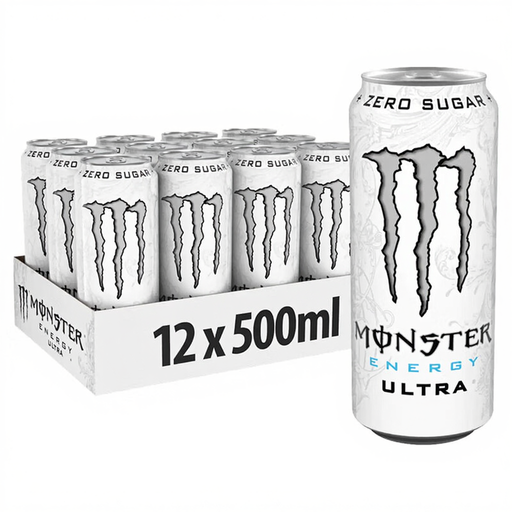
Why this fits the profile: A large stock for anyone who regularly chooses an energy drink with a citrus profile. The multipack contains 12 cans of 500 ml.
The packaging, caffeine content and nutritional values are clearly described. According to the data, the product contains 0 grams of sugar per 100 ml; check the usage information on the can.
12 x 500 ml; citrus flavour; 0 grams of sugar per 100 ml according to the product data; contains caffeine and taurine.
We’ve put together a full, up-to-date list of products that fully meet these strict selection criteria and comply with current European safety regulations.
For home, you could look at larger packs like Volvic Touch of Fruit Mango Passion in 6 x 1.5 litres. If you want small portions to take with you, consider Fuze Tea Black Tea with Peach & Hibiscus in 250 ml or a pouch of Cantabile Pomegranate Ade. For international flavours, options include Master Kong lemon tea, Foco Coconut Juice and Vietcoco Coconut Water.
With coconut water, pay extra attention to the name. Foco Coconut Water 12 x 330 ml lists coconut water as an ingredient, whereas Foco Coconut Juice 520 ml contains coconut extract, sugar and stabiliser. Both products fall under tropical drinks, but they have very different compositions.
That depends on the price per litre, delivery costs and pack size. A multipack can lower the unit price, but always compare the total order amount. Also check whether you’ll actually use the full quantity before the best-before date or the recommended period after opening has passed.
Store unopened drinks according to the instructions on the packaging, usually in a cool, dry place away from direct sunlight. Once opened, many drinks need to be kept refrigerated. The time frame varies by product, so follow the label rather than applying a general rule.
Look at the nutritional information and ingredients list. Possible options include a zero-sugar soft drink, a sugar-free energy drink or flavoured water with no sugar. Bear in mind that sugar-free doesn’t mean free from sweeteners. The exact composition is always on the product page and the packaging.
