
Vandaag of morgen in huis

Kwaliteit gegarandeerd

Welkomstaanbiedingen ontgrendelen: GRATIS bezorging | Tot 80% korting | Gratis 30 dagen JoyPlus-proefperiode
Download de app
Buying soft drinks online seems straightforward, until you have to choose between cans, bottles, multipacks, cordials and international flavours. A striking package tells you little about the ingredients, portion size or sugar content. Terms like "natural", "fruity" and "zero" also deserve a closer look at the label.
As a Joybuy Product Recommendation Officer, I filter the most important information based on verifiable product data. This way, you can compare soft drinks by flavour, size, ingredients and usage occasion, without relying solely on marketing claims.
A soft drink with lemon, orange, mango or passion fruit may only contain a limited amount of fruit juice. Orangina Regular, for example, states 12% fruit juice from concentrate, of which 11% is orange. According to the product information, Sanpellegrino Limonata contains 11% lemon juice from concentrate plus additional lemon juice.
Always check:
Sugar-free soft drinks typically contain sweeteners instead of sugar. G'woon Clear Lemon uses sucralose and acesulfame-K among others. Pepsi Zero Strawberry & Cream Soda lists aspartame, acesulfame-K and sucralose. If you prefer to avoid certain sweeteners, you need to read the ingredients list rather than just the front of the pack.
For products containing aspartame, also look out for the mandatory warning about a source of phenylalanine, where stated on the label.
A soft drink multipack of 12 or 24 units is practical for a party, office or family, but less suitable if you want to try a flavour for the first time. A 1.5-litre bottle offers better value per serving, while soft drinks in cans or small bottles are easier to chill and portion out.
So consider:
Always compare nutritional values per 100 ml. This allows you to fairly compare a bottle, can and multipack side by side. Sanpellegrino Limonata states 8 grams of sugar and 35 kcal per 100 ml. Bundaberg Blood Orange contains 11.5 grams of sugar and 47 kcal per 100 ml according to the product information. Pepsi Zero Strawberry & Cream Soda shows 0 grams of sugar and 0.6 kcal per 100 ml.
A low energy value can go hand in hand with sweeteners. That doesn't automatically make a drink suitable for every preference. The ingredients list remains the deciding factor.
Not all fizzy soft drinks have the same structure. Sparkling mineral water usually contains very few ingredients, whereas a fruit soda often includes sugar, acidity regulators and flavourings. With Beypazari Sade Soda, naturally sparkling mineral water is the only listed ingredient. The lemon-flavoured version contains mineral water, carbon dioxide and natural lemon flavouring, but also 6.5 grams of sugar per 100 ml according to the product information.
With cordials, such as Raak Raspberry Lemonade, you buy a concentrate that you mix with water yourself. According to the product description, one bottle makes around 30 glasses. This requires more preparation, but gives you control over the strength and the choice between still or sparkling water.
For on-the-go, 330 ml cans or 200 ml bottles are convenient. For a meal, a 1.5-litre bottle can be more practical. A soft drink multipack is especially handy when several people are drinking the same flavour.
Exotic soft drinks are often available in smaller packs or larger boxes. Calypso Yuzu Lychee Lemonade, for example, combines yuzu, lychee and lemon in a 473 ml bottle, while TING Soda Tropical is offered in a 330 ml can. With international soft drinks, always check the language on the label, ingredients, nutritional values and storage advice.
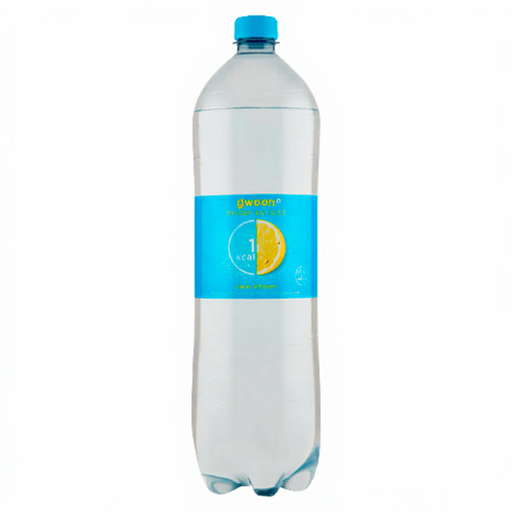
Why this fits the profile: The large bottle is suitable for home use and meals. According to the product information, this drink contains 0 grams of sugar per 100 ml.
The nutritional values and sweeteners are clearly stated; you don't have to rely solely on the term "lemon".
1.5-litre volume, lemon flavour and 0 grams of sugar per 100 ml according to the product listing.
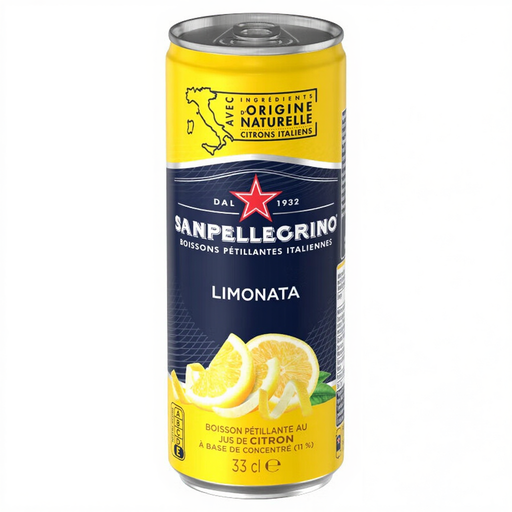
Why this fits the profile: The 330 ml portion suits a dinner, drinks occasion or chilled serving moment where a pronounced citrus flavour is desired.
The label states 11% lemon juice from concentrate, 8 grams of sugar per 100 ml and Nutri-Score E. This makes the flavour and composition easier to assess.
330 ml per can, lemon juice from concentrate and a serving suggestion of 6–8 °C.
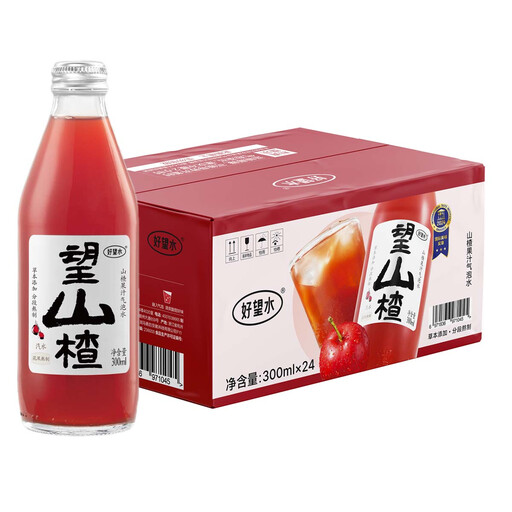
Why this fits the profile: The box of 24 bottles is designed for stocking up, group use and occasions where you need multiple servings.
The packaging states 24 bottles of 300 ml and lists the ingredients and values per 100 ml. Check those details before ordering a full box.
300 ml per bottle, sparkling drink with hawthorn, strawberry and black plum; serve chilled.
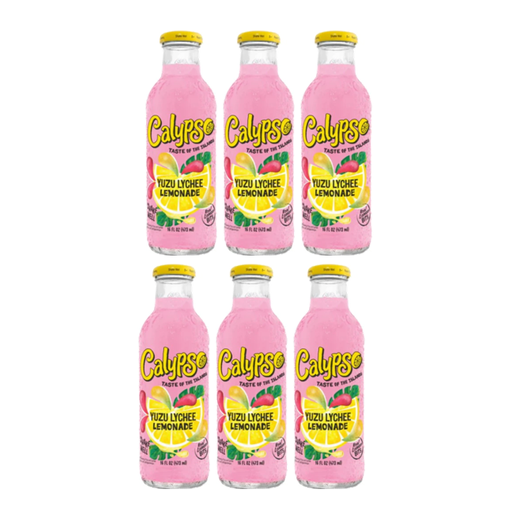
Why this fits the profile: The combination of yuzu, lychee and lemon offers a distinctive flavour profile for tastings, parties or fans of exotic soft drinks.
The product information states 46 kcal and 11 grams of sugar per 100 ml. The flavour description is thus backed up with concrete nutritional data.
473 ml per bottle, pack of six and a pronounced citrus-fruit combination.
We've put together a full, up-to-date list of products that fully meet these strict selection criteria and comply with current European safety regulations.
This varies by product. G'woon Clear Lemon, Pepsi Zero Strawberry & Cream Soda and Pepsi Peach flavour no sugar state 0 grams of sugar per 100 ml. Raak Raspberry Lemonade is a sugar-free cordial that you mix with water. Always check the current packaging, as a product may still contain sweeteners.
Follow the storage advice on the packaging. For the products mentioned, it usually states that an opened bottle or pack should be kept chilled and used within the specified period. Seal a bottle or flask tightly to minimise loss of carbonation. A can usually cannot be resealed after opening.
That depends on the price per litre, the number of servings and your consumption. Divide the total price by the total number of millilitres to compare offers fairly. A soft drink multipack is practical for regular use, but don't buy a large pack if you want to try an unfamiliar international flavour first.
