
Vandaag of morgen in huis

Kwaliteit gegarandeerd

Welkomstaanbiedingen ontgrendelen: GRATIS bezorging | Tot 80% korting | Gratis 30 dagen JoyPlus-proefperiode
Download de app
Buying soft drinks online seems straightforward, but an attractive offer does not always tell the whole story. A multipack may look good value, while you are mainly paying for flavours you do not want. Terms such as “zero”, “fruity” or “exotic” can also create a different impression from the nutritional information on the label.
Use these checks to compare soft drinks, sugar-free soft drinks, energy drinks and fruit drinks in a practical way.
In zero-sugar soft drinks, sugar is often replaced with sweeteners. Always check the ingredients list. Many products contain ingredients such as aspartame, acesulfame-K or sucralose. According to the product information, Coca-Cola Zero Sugar contains aspartame and acesulfame-K and states that it contains a source of phenylalanine.
If you have an allergy, intolerance or specific dietary preference, check the complete packaging. The product page is useful for an initial comparison, but the information on the physical label remains the definitive source.
A tropical drink or fruit drink may contain sugar, sweeteners and only a limited amount of juice. For example, Oasis Apple Pear states that it contains 12% fruit juice from concentrate, comprising 10% apple and 2% pear. According to the product description, Calypso Yuzu Lychee Lemonade contains sugar and 11 grams of sugar per 100 ml.
So do not compare only the flavour name. Also check:
A soft drink multipack is practical for a party, office or family, but 24 cans take up space. Also check the price per litre, rather than just the price of the box. With soft drinks bought in bulk, cans may also be heavier to transport than bottles, while opened bottles need to be stored in the fridge.
Use the nutritional values per 100 ml as a consistent basis for comparison. This allows you to compare a 330 ml can fairly with a 500 ml bottle. A product labelled “no added sugar” may still contain naturally occurring sugars. According to the product information, Iam Superjuice Passionfruit Drink contains no added sugar, 30% passion fruit juice and 17 kcal per 100 ml.
With sugar-free cola and other low-calorie drinks, it is also useful to check the sweeteners. The flavour and aftertaste vary depending on the combination used. If you need to avoid phenylalanine, pay particular attention to products containing aspartame.
Not every soft drink is caffeine-free. Energy drinks generally contain caffeine and should therefore be assessed differently from ordinary cola or squash. According to the label, Monster Energy Ultra White contains, among other ingredients, 0.03% caffeine, taurine and guarana extract. The multipack contains 12 cans of 500 ml.
Coca-Cola Zero Sugar Caffeine Free is intended for those looking for a cola-style flavour without caffeine. When buying imported products, always check the local product information, ingredients and warnings.
Before ordering, check:
Also check the alcohol content. According to the product description, Safari Senza Exotic Fruit-Flavoured Drink contains 14.9% alcohol. This is therefore not an alcohol-free soft drink, despite its fruity appearance. For alcohol-free or low-alcohol alternatives, you can browse the wider range.
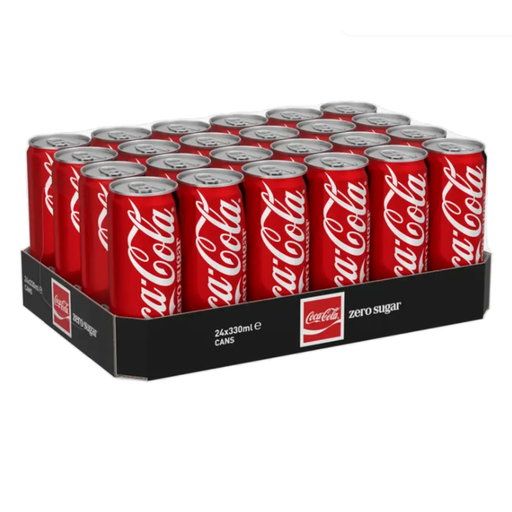
Why it suits this profile: A familiar cola in a convenient can size for home, guests or parties. The product information states 0 grams of sugar and 0 kcal per 100 ml.
The packaging clearly states 24 × 330 ml, so you can estimate the total volume and serving size in advance.
Sugar-free cola, 24 cans of 330 ml and suitable for serving chilled.
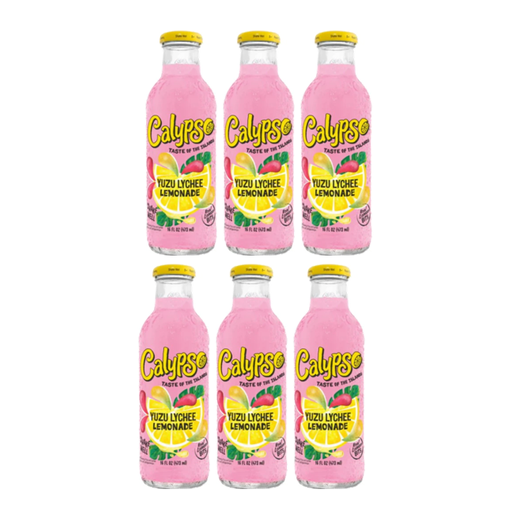
Why it suits this profile: For anyone looking for something different. The combination of yuzu, lychee and lemon is a change from standard cola, orange or lemon-lime flavours.
The nutritional information lists 46 kcal and 11 grams of sugar per 100 ml. This allows you to compare your expectations of a sweet flavour with the actual facts.
Six bottles of 473 ml with a distinctive yuzu, lychee and lemon flavour, according to the product description.

Why it suits this profile: For those specifically looking for energy drinks in larger cans for work, long days or keeping a supply at home. According to the label, the product contains caffeine.
The label states that it contains caffeine and gives the can size as 500 ml. This makes it clear that it is not an ordinary low-calorie soft drink.
Sugar-free according to the product information, with a citrus flavour and 12 cans of 500 ml.

Why it suits this profile: A practical supply for home or work when you are looking for a fruity, exotic drink with no added sugar.
The product information states both 30% passion fruit juice and 17 kcal per 100 ml. This allows you to assess the fruit claim in concrete terms.
12 cans of 330 ml, no added sugar according to the product information and a distinctive passion fruit flavour.
We have put together a complete, up-to-date list of products that fully meet these strict selection criteria and the applicable European safety regulations.
That depends on the price per litre, delivery costs and any multipack discount. Divide the total price by the number of litres before ordering. A box of 24 cans may offer good value for regular use, but be less worthwhile if you only need a few cans.
Store unopened drinks according to the label, usually in a cool, dry place away from direct sunlight. Put opened bottles or cartons in the fridge and use them within the stated period. Only shake fruit drinks when the packaging instructs you to, for example if natural sediment may be present.
Check the ingredients list and look for an explicit statement such as “caffeine free” or “caffeine-free”. Energy drinks are generally not suitable if you want to avoid caffeine. Also check cola and tea flavours, as some of these contain caffeine.
