
Vandaag of morgen in huis

Kwaliteit gegarandeerd

Welkomstaanbiedingen ontgrendelen: GRATIS bezorging | Tot 80% korting | Gratis 30 dagen JoyPlus-proefperiode
Download de app
Want to buy soft drinks online, but finding it difficult to determine which option suits you among the vast selection of sparkling water, iced tea, lemonade and zero-sugar soft drinks? Comparing products online is convenient, but product images and marketing copy do not always tell the full story. Especially when choosing soft drink cans, bottles and multipacks, format, ingredients and nutritional values matter more than eye-catching packaging.
This practical guide helps you compare drinks using verifiable product information. That way, you can order with greater confidence for home, travel, workouts, events or the office.
A product labelled “zero sugar” contains no sugar according to the product information, but it may still contain sweeteners. This applies, for example, to Crystal Clear Sparkling Peach and Lipton Ice Tea Green Zero. Always check the ingredients list, especially if you want to avoid a particular sweetener.
“Sugar-free soft drink” and “low-calorie drink” do not mean the same as unsweetened sparkling water. A drink can be low in calories while still containing sweeteners, flavourings or fruit juice.
A soft drink multipack may reduce the price per bottle or can, but check the following first:
A case of 24 identical bottles is practical for a business or event, but less suitable if you want to try a range of flavours at home.
Fruit-flavoured sparkling water may consist of carbonated water with flavouring, but it may also contain a small percentage of fruit juice. Check the ingredients carefully. According to the product information, Charlie’s Sparkling Water Passionfruit contains 95% carbonated water and 5% organic juice. Charlie’s Sparkling Water Lemon lists 97% carbonated water and 3% organic lemon juice.
According to the product description, Crystal Clear Sparkling Peach contains just 0.01% peach juice from concentrate. Its peach flavour therefore does not come exclusively from a high fruit content.
Always compare products based on nutritional values per 100 ml. This makes different formats directly comparable. Pay particular attention to:
A 500 ml bottle contains five times the value listed per 100 ml. Lipton Green Tea Ice lists 10 kcal and 2.2 grams of sugar per 100 ml. A 500 ml bottle therefore contains approximately 50 kcal and 11 grams of sugar, assuming the label information is accurate.
Check the first ingredients listed. Soft drinks generally contain water, carbon dioxide, fruit juice, acids, flavourings and, where applicable, sugar or sweeteners.
With protein water, it is especially important to check allergens carefully. Optimum Nutrition Protein Water lists whey protein isolate from milk. According to the product information, it contains no sugar and provides 16 grams of protein based on the stated nutritional specification, but check the current packaging for the exact serving value. Product descriptions and labels may vary between packages.
Choose the format according to how you intend to use it:
For cans and bottles, also check the storage instructions. Many products should be refrigerated after opening and consumed within the period stated on the packaging.
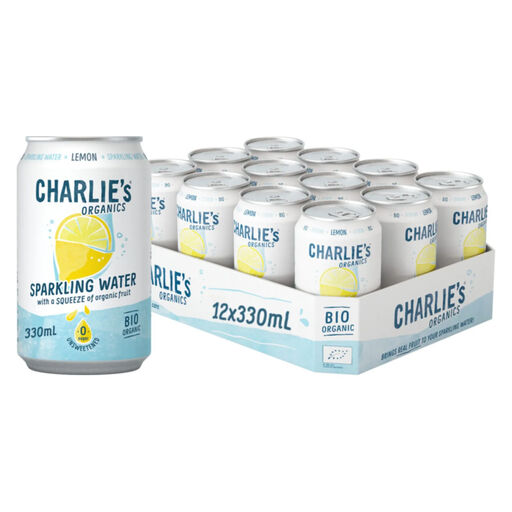
Why it’s a good fit: A well-balanced multipack with 330 ml servings for home, lunch or entertaining. The product information lists 1 kcal per 100 ml.
The ingredients and nutritional values are clearly specified. You do not have to rely solely on terms such as “refreshing” or “fruity”.
12 bottles of 330 ml; 97% carbonated water and 3% organic lemon juice according to the product description.
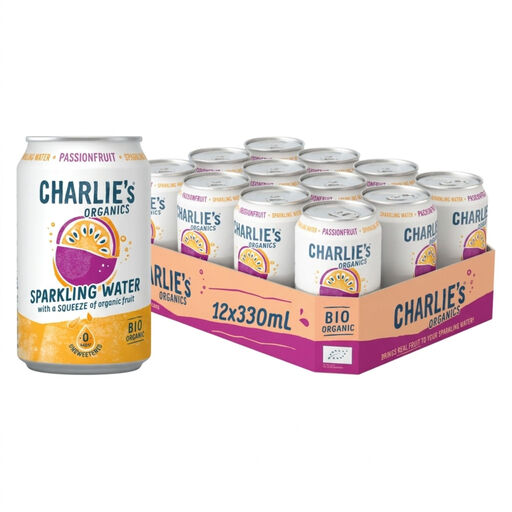
Why it’s a good fit: Ideal if you are looking for sparkling water with a distinct tropical fruit flavour. According to the product information, the drink consists of carbonated water and 5% organic juice.
The fruit percentage is included in the product information, providing more context than the name “passionfruit” alone.
3 kcal and 0 grams of sugar per 100 ml according to the stated nutritional value; supplied as a 12-pack of 330 ml bottles.
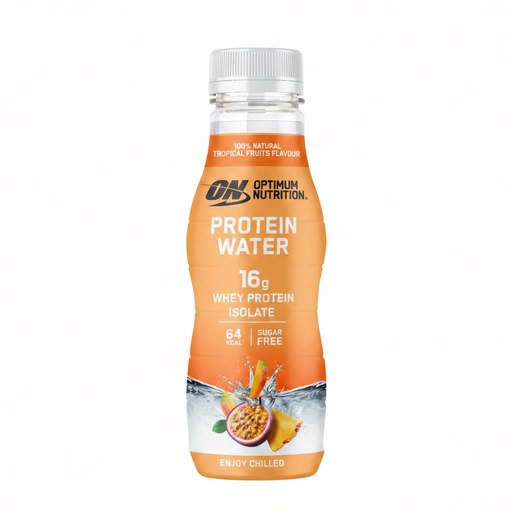
Why it’s a good fit: A compact bottle for travel or post-workout use, designed for those who want more than water and are looking for a protein drink.
This is not marketed as a standard soft drink: the label lists whey protein and milk as an allergen. Check the serving value before ordering.
350 ml per bottle, tropical fruit flavour and no sugar according to the product information. The current packaging remains the definitive source.
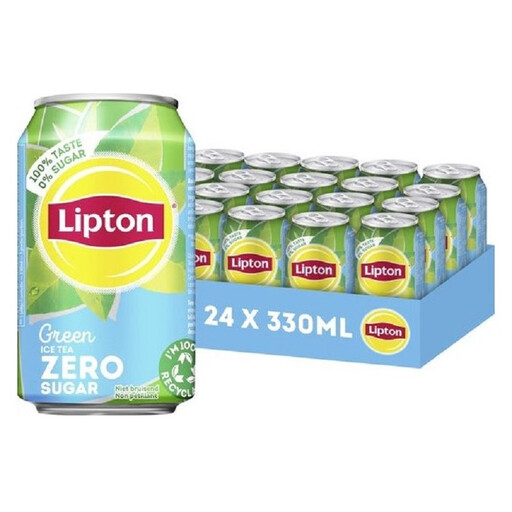
Why it’s a good fit: A 24-pack of soft drink cans for meeting rooms, stock cupboards, events or households with multiple users.
The contents are clearly specified: 24 cans of 330 ml. According to the product information, the drink contains 1 kcal and 0 grams of sugar per 100 ml.
330 ml serving size, green tea flavour and a multipack format for regular use.
Explore our current range of low-calorie drinks and compare sparkling water, zero-sugar soft drinks, iced tea and other varieties by format and nutritional values.
That depends on the price per litre, delivery costs and pack size. A multipack may offer better value for a regular favourite, while individual bottles are more convenient if you want to compare flavours. Always calculate the total price back to the price per litre.
Store unopened products in a cool, dry place away from direct sunlight. Refrigerate opened bottles and close the cap securely. Follow the storage and best-before guidance on the packaging. Check the packaging for leaks or a broken seal before use.
No. Zero-sugar soft drinks generally contain flavourings, acids and sweeteners, while sparkling water often has a simpler composition. Read the ingredients list and nutritional table if you are specifically looking for low-sugar or low-calorie drinks.
