
Vandaag of morgen in huis

Kwaliteit gegarandeerd

Welkomstaanbiedingen ontgrendelen: GRATIS bezorging | Tot 80% korting | Gratis 30 dagen JoyPlus-proefperiode
Download de app
Buying soft drinks online may seem straightforward, but the range varies considerably in terms of flavour, size, ingredients and shelf life. Attractive packaging says little about what is inside. If you focus only on a striking name or low unit price, you could end up with a multipack that does not suit your needs, a disappointing flavour or packaging that is difficult to store.
This practical guide helps you focus on the information that really matters. That way, you can find fruit soda, Asian soft drinks, Japanese ramune, Korean soft drinks and other fizzy drinks for enjoying at home, serving at parties or keeping in stock.
A soft drink multipack may look like good value, while you are mainly paying for a large quantity that you will not use quickly. Always check:
Small 200 ml bottles are handy for a tasting session or for serving soft drinks at parties. A tray of 24 or 30 is more suitable if you serve drinks regularly or want to build up a stock.
Product names featuring strawberry, mango, lychee or raspberry often refer to a flavour, aroma or combination of ingredients. This is not the same as having a high percentage of fruit juice. So check the ingredients list and nutrition table. Also look at the difference between sugar, glucose-fructose syrup and sweeteners.
For example, sugar-free soft drinks may get their flavour from aspartame, acesulfame K or sucralose. If you are unsure, check the packaging and allergen information. The details on the label may differ from an online product description.
Japanese ramune is known for the glass marble in the neck of the bottle. This makes the drink distinctive, but opening it requires care. Place the bottle on a stable surface, use the opener provided and ensure that young children are supervised. Do not try to remove the marble from the bottle.
It is also sensible to open fizzy drinks in cans and bottles carefully. Do not shake the packaging, and store soft drinks in a cool, dry place away from direct sunlight.
Choose the size based on when you plan to use the drink:
Do not just compare the total price; also compare the price per 100 ml. This shows whether a multipack really suits your budget and consumption.
Nutritional values are usually shown per 100 ml. This allows you to compare different brands and sizes fairly. Pay particular attention to:
For example, Pepsi Zero Strawberry & Cream Soda lists 0 grams of sugar and 0 grams of carbohydrates per 100 ml, with sweeteners and caffeine. According to the product information, LOTTE Milkis contains milk ingredients and soya. This makes reading the label important, even when you are choosing a drink mainly for its flavour.
For a fruity option, you can distinguish between:
Bear in mind that taste is personal. Product information can describe ingredients and nutritional values, but it cannot predict exactly how everyone will experience the drink.
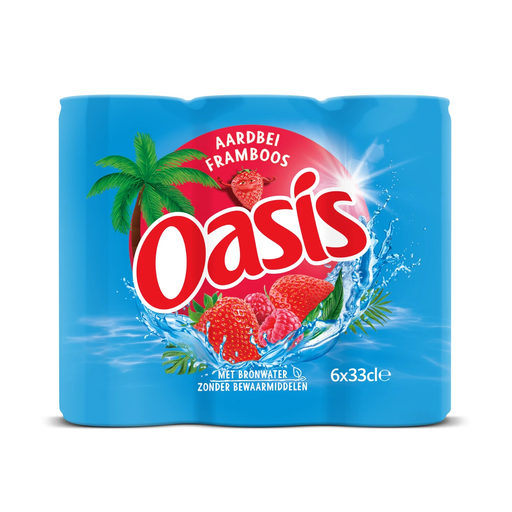
Why it suits this profile: A manageable pack of six 330 ml cans is an accessible way to try strawberry and raspberry flavours without buying a large stock straight away.
The fixed number of cans and their size are clearly stated, allowing you to estimate the total quantity in advance.
Six 330 ml cans; a combination of strawberry and raspberry flavours.
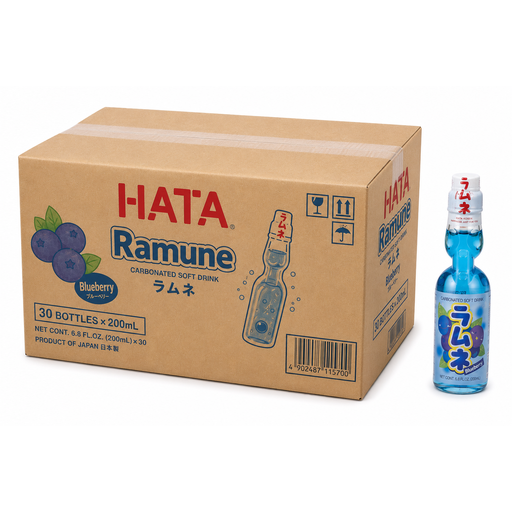
Why it suits this profile: Ideal for anyone looking for a distinctive Japanese ramune in a consistent 200 ml size, complete with its eye-catching glass marble bottle.
The product information includes nutritional values, ingredients, storage instructions and a warning about opening the bottle.
30 bottles of 200 ml; blueberry flavour; origin: Japan, according to the product information.
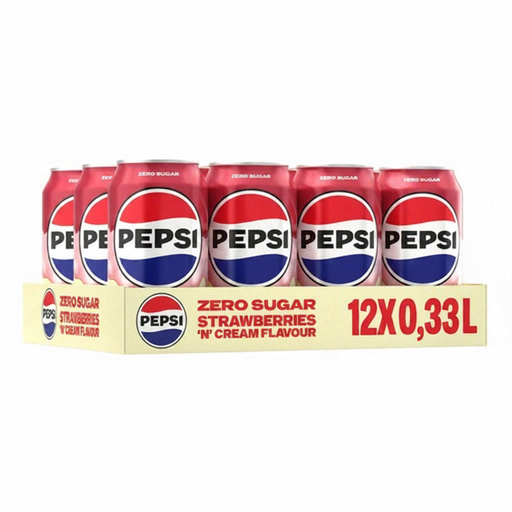
Why it suits this profile: A tray of 12 cans is ideal for anyone who regularly serves soft drinks and specifically wants a sugar-free option with strawberry and cream flavour.
The product details explicitly mention sweeteners, caffeine and 0 grams of sugar per 330 ml. Check the current packaging before buying.
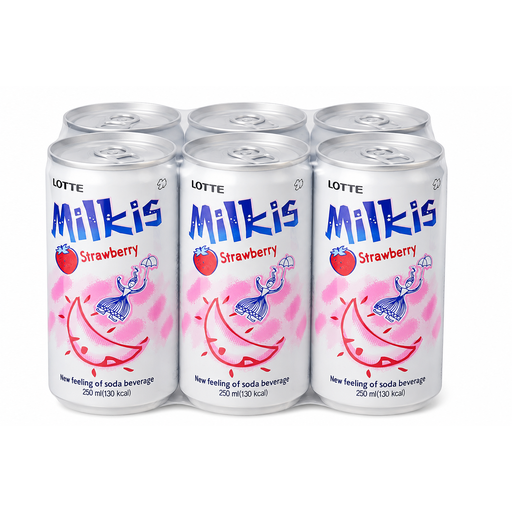
Why it suits this profile: Six smaller bottles are ideal for serving a Korean soft drink alongside snacks or a meal.
The volume per bottle and the presence of milk and soya are clearly included in the product information.
Six 250 ml bottles; strawberry flavour; contains milk ingredients and soya.
Before checking out, check the best-before date on the packaging, especially when buying a large soft drink multipack. Store unopened drinks according to the manufacturer's instructions. Once opened, soft drinks should generally be refrigerated and consumed within the stated period.
For a party, you can combine different sizes: cans for easy serving and small bottles for unusual flavours. If you want to put together an assortment, you could combine strawberry soft drinks with lychee, mango, pineapple or mandarin. Take extra care when storing and transporting glass ramune bottles.
We have put together a complete, up-to-date list of products that fully meet these strict selection criteria and the applicable European safety regulations.
That depends on the price per 100 ml, delivery costs and how much you actually use. A multipack can reduce the unit price, but is less practical if you have limited storage space or want to try different flavours.
Always follow the instructions on the packaging. Many product descriptions state that opened soft drinks should be refrigerated and consumed within the specified period. The fizz and flavour may gradually fade after opening.
Choose a mix of cans and small bottles. Cans are easy to hand out, while ramune, Milkis or fruity varieties add some variety. Check the total volume, number of guests and any allergens such as milk and soya in advance.
