
Vandaag of morgen in huis

Kwaliteit gegarandeerd

Welkomstaanbiedingen ontgrendelen: GRATIS bezorging | Tot 80% korting | Gratis 30 dagen JoyPlus-proefperiode
Download de app
Ordering soft drinks seems simple, until you receive a crate with a disappointing flavour, packaging that is unsuitable for your occasion or a product whose alcohol content was not clearly stated. When buying soft drinks online in particular, the difference between an everyday thirst quencher, a mocktail and an alcoholic mixed drink is not always immediately obvious.
So look out for these three common pitfalls:
For home use, 1 or 1.5 litres can be convenient. For drinks with friends or a party, individual bottles or a soft drink multipack are often more practical. They do not keep for long once opened, and guests can help themselves to an individual serving.
Also check the exact volume. For example, a pack containing 12 x 375 ml holds 4.5 litres in total. A 1.5-litre bottle is easier to serve at the table, but should be kept refrigerated after opening. For opened drinks, always follow the instructions on the label.
Compare the nutritional values per 100 ml, not just per bottle. According to the product information, Bundaberg Passionfruit contains 12 grams of sugar per 100 ml and 3.5% passion fruit juice from concentrate. According to its description, G’woon Raspberry Cranberry Sparkling Fruit contains 0 grams of sugar per 100 ml and uses, among other ingredients, sucralose and acesulfame-K.
A fruity soft drink is therefore not the same as a fruit drink with a high fruit content. Check:
The product packaging remains the authoritative source for the latest information.
For an alcohol-free drink, the alcohol percentage should be clearly stated. Tomomasu Yubari Melon Cider, for example, has a stated alcohol content of 0.0%. SPA Touch Strawberry Daiquiri is also an alcohol-free sparkling drink with 0 kcal, no sugar and no sweeteners, according to the product description.
For sangria, cider, fruit beer, Breezer and other mixed drinks, you should check the alcohol percentage carefully. According to the product information, Don Garcia Sangria contains 7.5% alcohol. Passoa Festa Passion Fruit Cocktail contains 14.9% alcohol and is intended as a cocktail base, not as an ordinary soft drink. Alcoholic products in the Netherlands are intended exclusively for adults aged 18 and over.
With energy drinks, check the caffeine and other ingredients as well as the sugar content. Celsius Sparkling Kiwi Guava lists 0.03% caffeine, taurine, guarana and green tea extract. Use the information on the packaging to decide whether it is suitable for your circumstances and the occasion planned.
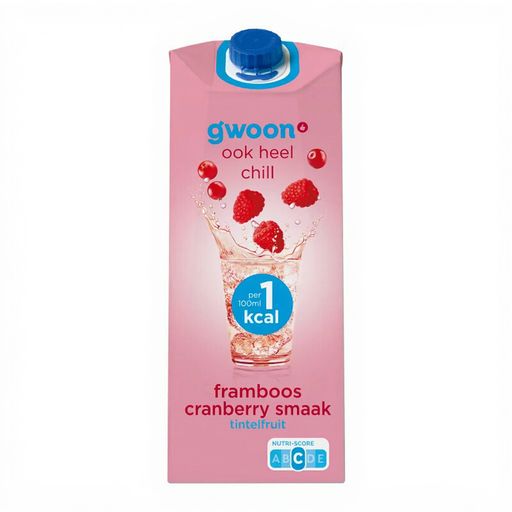
Why it suits this profile: The 1.5-litre bottle is suitable for everyday use, a film night or a small get-together. The raspberry and cranberry flavour adds a fruity character without alcohol.
The volume and nutritional values are clearly stated. This means you can compare the price per litre and sugar content in advance.
1.5-litre volume, lightly sparkling, raspberry and cranberry flavour and, according to the product information, 0 grams of sugar per 100 ml.
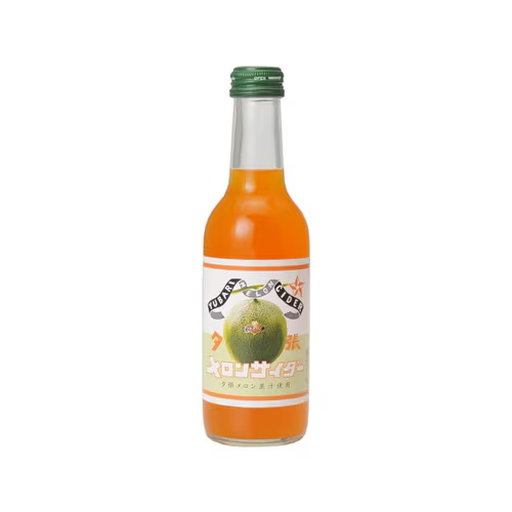
Why it suits this profile: The small bottle is ideal for a special tasting, as a gift or for a dinner where you want to serve an exotic soft drink in an individual portion.
The flavour, volume and 0.0% alcohol content are specified in advance. It is therefore clear that this is an alcohol-free sparkling drink.
245 ml per bottle, Yubari melon flavour, carbonation and a stated alcohol content of 0.0%.
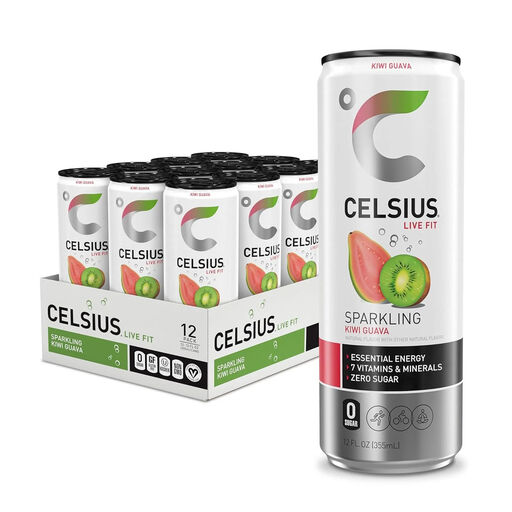
Why it suits this profile: The multipack containing 12 cans of 250 ml is ideal for households or users who regularly buy a fruity energy drink.
The ingredients list includes caffeine, taurine and plant extracts. Check this information in advance rather than judging the drink solely by its fruity packaging.
12 x 250 ml, kiwi and guava flavour, 3 kcal per 100 ml according to the description and 0 grams of sugar per 100 ml.
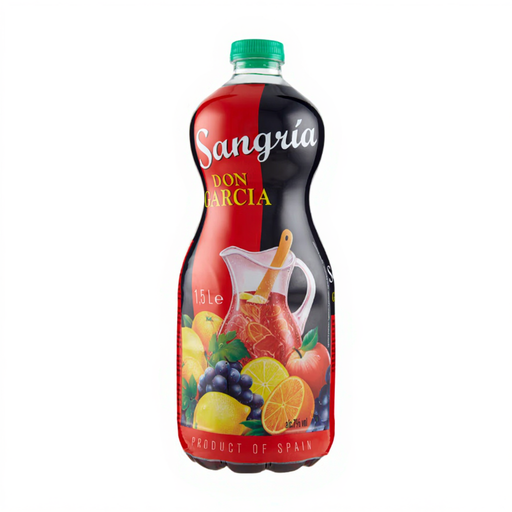
Why it suits this profile: The 1.5-litre bottle is designed for sharing at a barbecue, summer evening or informal gathering. Serve chilled with ice and fruit, and keep alcohol-free alternatives available separately.
The 7.5% alcohol content and the presence of sulphites are stated in the product information. This means you can clearly inform guests in advance.
1.5-litre volume, red wine base, natural fruit and cinnamon extracts and a lightly sparkling character.
We have put together a complete, up-to-date list of products that fully meet these strict selection criteria and the applicable European safety regulations.
It depends on the price per litre, delivery costs and packaging. A multipack can be convenient if you regularly use the same drink, but always compare the total volume. For one-off use, a smaller pack can help prevent waste.
Store opened sparkling drinks in the fridge and close the bottle securely. Check the label for the recommended shelf life after opening. Store an unopened bottle according to the instructions provided, usually in a cool place and away from direct sunlight.
Choose a product with a clearly stated alcohol content of 0.0% or an alcohol-free designation. According to the product description, SPA Touch Strawberry Daiquiri is a sparkling drink with strawberry daiquiri flavour, without sugar, sweeteners or calories. For a festive alternative, you could also consider Dubbel Frisss Bubble Fruit 0%, an alcohol-free fruit drink with 15% fruit juice.
