
Vandaag of morgen in huis

Kwaliteit gegarandeerd

Welkomstaanbiedingen ontgrendelen: GRATIS bezorging | Tot 80% korting | Gratis 30 dagen JoyPlus-proefperiode
Download de app
Anyone looking to buy soft drinks online will soon come across dozens of flavours, sizes and multipacks. That is convenient, but the product name does not always tell the whole story. Eye-catching packaging can, for example, give the impression that a drink contains little sugar, while the nutritional information per 100 ml may show otherwise. Multipacks are not automatically better value either, particularly if you have not tried the flavour before.
This practical checklist helps you compare soft drinks, iced tea, coconut water and Asian beverages using verifiable information. That way, you can avoid a disappointing purchase and choose packaging that suits your household, office or cupboard.
A zero-sugar soft drink contains no sugar according to the label, but it may still contain sweeteners. This applies, for example, to some cola, iced tea and squash variants. Always check the ingredients list and nutritional information per 100 ml. Also pay attention to the difference between:
A claim such as “natural”, “refreshing” or “with vitamin C” says little about the overall composition on its own. According to information provided by the manufacturer or seller, you should check the packaging for the most up-to-date details.
A box may seem attractively priced, but compare the price per can or per litre. A 330 ml soft drink can is practical for lunch, meetings or enjoying on the go. However, a multipack of 24 cans takes up more storage space and is less suitable if you want to try a flavour first.
For families, offices and events, soft drinks in bulk can be practical. In that case, check the best-before date, storage instructions and whether refrigerated storage is required after opening.
“Hydrating”, “functional” or “strengthening” are terms that brands use differently. Do not regard such descriptions as medical or health claims. Instead, look at specific details such as the ingredients, energy, sugar, volume, origin and storage advice.
Check the table per 100 ml and calculate the amount for the entire can or bottle. A drink containing 8 grams of sugar per 100 ml has approximately 26 grams of sugar in a 330 ml can. With larger packs, the amount can quickly add up.
If you are consciously cutting down on sugar, you can look for terms such as sugar-free soft drink, “zero sugar” or “no added sugar”, but always check the label. Sugar-free products may contain sweeteners such as sucralose, steviol glycosides, aspartame or acesulfame-K. Anyone with a specific sensitivity or dietary requirement should read the full ingredients list carefully.
Choose the size according to how you plan to use it:
A bottle, can or carton also affects storage. Ramune bottles with a marble stopper, for example, have a distinctive opening and are therefore particularly suitable as a special treat or for a party.
With Asian soft drinks, Korean soft drinks and Japanese soft drinks, the flavours and textures may differ from those of familiar Dutch soft drinks. Think grape pieces, pear or peach flavour, oolong tea, winter melon or tropical fruit.
For fruit drinks, check how much fruit juice or fruit content is actually stated. With coconut water, the difference between 100% coconut water, coconut water with sugar and a carbonated coconut drink is significant. When buying kombucha, it is also sensible to check the sugar, sweeteners, fermentation information, live cultures and storage advice. Do not use claims about fermentation or cultures as a substitute for medical advice.
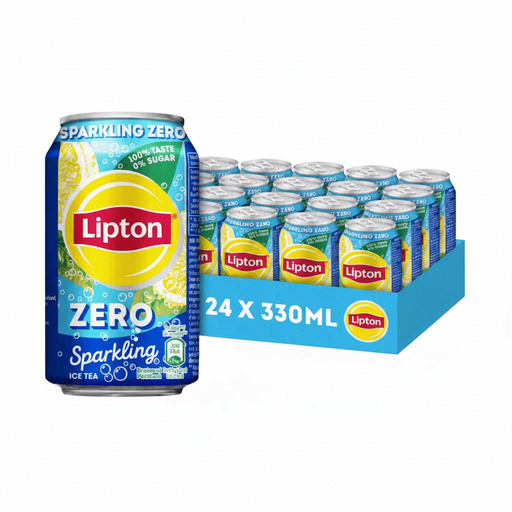
Why it suits this profile: A box of 24 cans provides a reliable supply for home or the office. According to the product information, this variant is sugar-free and contains 330 ml per can.
The size and nutritional information are clearly stated. However, check the current ingredients list on the packaging before buying.
0% sugar according to the product description; 24 x 330 ml cans; sparkling iced tea that can be served chilled.

Why it suits this profile: This box is intended for coconut water enthusiasts looking for a tropical drink with pieces of coconut. The product information states that it contains 100% coconut water and 2% coconut pieces.
The ingredients make it clear how this differs from coconut drinks with added sugar. According to the instructions, the product should be refrigerated after opening.
No added sugar according to the product information; 12 x 330 ml cans; contains 2% real coconut pieces.
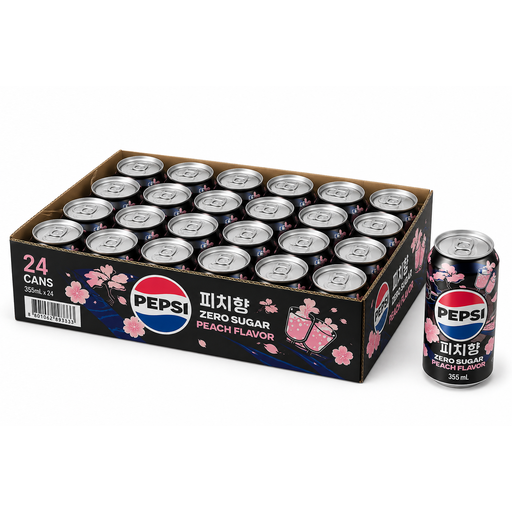
Why it suits this profile: For fans of Korean soft drinks who want to combine a familiar cola flavour with a peach accent in a sugar-free variant.
The product information states 0 grams of sugar and 0 kcal per 100 ml. However, the ingredients list does mention several sweeteners, including aspartame and acesulfame-K.
0 grams of sugar according to the product details; 24 x 355 ml cans; Korean peach flavour with carbonation.
We have put together a complete, up-to-date list of products that fully meet these strict selection criteria and the applicable European safety regulations.
For a Japanese soft drink with eye-catching presentation, Hatakosen Ramune Hata Soda 500 ml is one option. The product information states that it comes in a glass bottle with a traditional marble stopper, contains 9.5 grams of sugar per 100 ml and has no added artificial colourings.
If you prefer green tea, you can compare Lipton Ice Tea Green Zero Can 330 ml x 24 with the Sparkling Zero variant. The product details state 0 grams of sugar and 1 kcal per 100 ml. Always check the sweeteners used in zero-sugar products.
For a fruity drink, Bong Bong Grape 238 ml, with 5% grape pieces, and Iam Superjuice Soursop Drink 330 ml x 12 are possible choices. For the latter, the product description states 18 kcal per 100 ml and no added sugar. Another option is Nexba Kombucha Mango, a drink containing fermented kombucha and live cultures according to the product information.
Not necessarily. Divide the total price by the number of cans or the total number of litres. Also compare the pack size, delivery costs and shelf life. A larger box is particularly practical when you already know the flavour and drink it regularly.
A 330 ml can is suitable as a single serving and easy to store. For home use, a 1-litre carton may be more convenient. After opening, follow the storage advice on the label; many drinks should then be refrigerated and consumed within a short period.
According to the label, sugar-free soft drinks contain no sugar, but often do contain sweeteners. Coconut water with no added sugar may still contain naturally occurring sugars. So do not just look at the front of the packaging; compare the ingredients and nutritional values per 100 ml.
