
Vandaag of morgen in huis

Kwaliteit gegarandeerd

Welkomstaanbiedingen ontgrendelen: GRATIS bezorging | Tot 80% korting | Gratis 30 dagen JoyPlus-proefperiode
Download de app
Buying soft drinks online may seem straightforward, but product pages can conceal important differences. A fruit-flavoured bottle is not automatically a fruit drink with a high fruit content. A pack labelled “zero” or “sugar-free” may still contain sweeteners. And a multipack is only good value if you consider the contents, shelf life and storage space in advance.
With this practical guide, you can focus on the information that really matters: volume per pack, sugar content, ingredients, carbonation, alcohol percentage and occasion.
Some drinks have a pronounced fruity flavour but contain only a limited amount of juice or concentrate. For example, Wicky Raspberry Fruit Drink states 0.2% raspberry juice from concentrate. According to the product information, Wicky Strawberry Juice contains 10% fruit juice from concentrate, of which 0.6% is strawberry. The difference between “strawberry flavour” and a drink with a specified juice percentage is therefore significant.
So don’t just look at the name or image. Also check:
A sugar-free soft drink may contain sweeteners. Sprite Zero Sugar states 0 grams of sugar per 100 ml, but according to the product details it does contain acesulfame K and aspartame. Wicky Sugar Free also contains sweeteners and provides 1 kcal per 100 ml, according to the stated nutritional information.
When buying sugar-free soft drinks, always check the full ingredients list. Also look out for any warnings, such as the statement that Sprite contains a source of phenylalanine.
A soft drink multipack is convenient for a family, party or catering occasion, but not every size suits every use. A pack of 24 Sprite Zero Sugar cans contains 7.92 litres in total. Orangina Regular 6 x 330 ml comes to 1.98 litres. A 1.5-litre bottle is practical at home, while cans are easier to chill and serve as individual portions.
So compare the price per litre, not just the price of the pack.
Use the nutritional information per 100 ml as a consistent basis for comparison. This allows you to compare a large bottle, can and pouch fairly. Calypso Yuzu Lychee Lemonade states 11 grams of sugar per 100 ml. Orangina Regular contains 9.1 grams of sugar per 100 ml. Wicky Raspberry Sugar Free states less than 0.1 grams of sugars per 100 ml.
Pay attention to the difference between:
A fizzy drink is not the same as a classic cola or lemonade. Japanese ramune, such as HATA Lychee Ramune, combines carbonation with a sweet-and-sour lychee flavour and comes in a 200 ml bottle. According to the product description, Jardin Cafe Real Watermelon Ade has a subtle fizzy finish. Jarritos Watermelon has gentle bubbles and a watermelon flavour.
An exotic soft drink can complement a meal, while a larger bottle is more convenient when serving several glasses. Check the storage advice after opening: many carbonated drinks need to be refrigerated and consumed within the stated period.
Choose packaging that suits the occasion:
For alcohol-free sparkling wine, also check that the product is actually described as alcohol-free. Oddbird Spumante is described in the product information as non-alcoholic sparkling wine. Moksha Elderflower Cider, on the other hand, contains 4.5% alcohol and therefore does not belong in the same category.
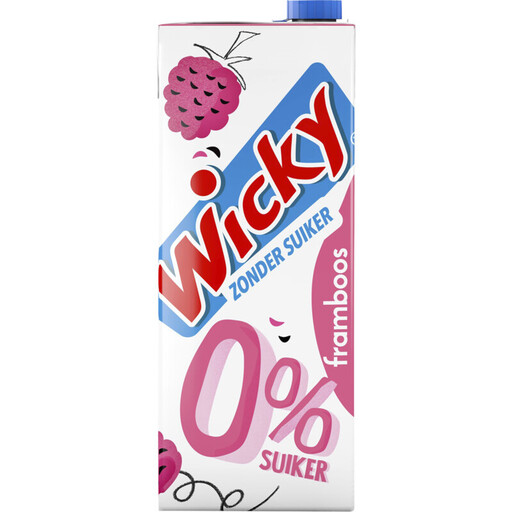
Why it suits this profile: A large pack for everyday use, with 1 kcal and less than 0.1 grams of sugar per 100 ml according to the product information.
The nutritional information makes it clear that “sugar-free” here is linked to the use of sweeteners. The ingredients list is available to check before buying.
1.5-litre volume, no declared allergens and added vitamin E according to the label.
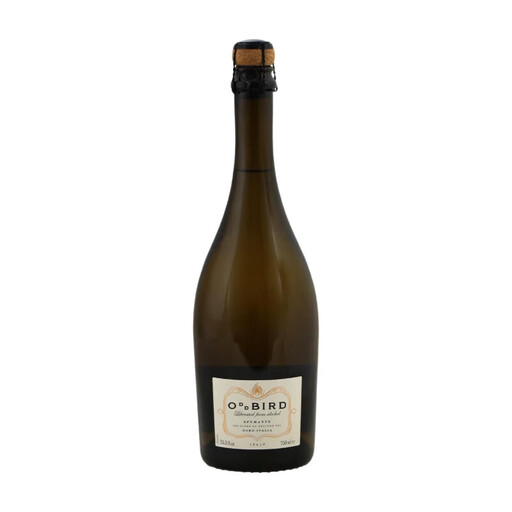
Why it suits this profile: A sparkling choice for brunch, dinner or a celebratory occasion where being alcohol-free is important.
The product information explicitly states that this is alcohol-free sparkling wine. Always check the current label before use.
750 ml bottle, sparkling character and, according to the product information, none of the 14 major EU allergens.
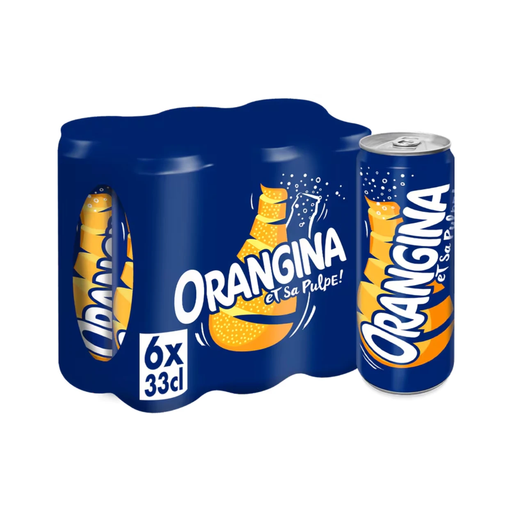
Why it suits this profile: The cans can be served as individual portions and are ideal for guests, a barbecue or regular use in a small catering setting.
The multipack size is clear from the outset: 6 cans of 330 ml. This means you don’t have to guess how much drink the pack contains.
330 ml per can, 12% fruit juice from concentrate according to the product information, and a citrus blend including orange.
We’ve put together a complete, up-to-date list of products that fully meet these strict selection criteria and the applicable European safety regulations.
If you’re looking for something different from standard lemonade, there’s a wide range of international flavours to choose from. HATA Lychee Ramune is a Japanese carbonated drink with lychee flavour. Caffe Bene Green Grape Ade comes in a 190 ml pouch. Jardin Muscat Ade is a Korean drink in a 230 ml pouch and contains 65 kcal per 100 ml according to the product information.
For an exotic soft drink, it’s worth paying extra attention to:
Fruit drinks such as Maaza Guava Sugar Free Drink, Tymbark Mango Mint and Oasis Apple Cassis Raspberry also vary considerably in juice content, sugar and serving size. Use the nutritional table as a check rather than relying solely on the front of the packaging.
First check the volume, price per litre, sugar content and ingredients. Then consider the format: a bottle is convenient for sharing, while cans and pouches are suitable for individual servings. Also check the shelf-life and storage advice on the product page and packaging.
No. A drink can contain 0 grams of sugar and still use sweeteners. Sprite Zero Sugar and Wicky Raspberry Sugar Free are examples where the product information lists sweeteners. So always read the full ingredients list.
Most opened soft drinks should be refrigerated and consumed within the period stated on the packaging. Seal the bottle or pouch securely. For sparkling drinks, a tightly closed bottle helps preserve the carbonation for longer. Always check the latest instructions on the label before drinking.
