
Vandaag of morgen in huis

Kwaliteit gegarandeerd

Welkomstaanbiedingen ontgrendelen: GRATIS bezorging | Tot 80% korting | Gratis 30 dagen JoyPlus-proefperiode
Download de app
When you want to buy soft drinks online, you’ll quickly see dozens of options: cola zero, sparkling fruit drinks, fruit juice drinks, fruit juice, coconut water and mineral water. The difference isn’t just about flavour or brand. The sugar content, portion size, packaging and shelf life also determine whether a purchase is right for your household.
An attractive package can easily distract you from the important details. With these practical selection points, you can compare products based on verifiable information and order more purposefully.
These terms don’t automatically mean the same thing. Always check the nutritional information per 100 ml and the ingredients list. A drink may contain sweeteners, while a fruit juice drink naturally contains sugars from fruit. “No added sugar” therefore doesn’t always mean there are no sugars present.
With cola zero, the nutritional information typically shows 0 grams of sugar, but the drink may still contain sweeteners. With fruit juice, the sugars often come from the fruit itself. So look at:
A soft drink multipack can sometimes seem like good value, but compare the price per litre or per 100 ml. A tray of soft drinks 330 ml is handy for portions and parties, while a bottle of soft drink 1 litre or 1.5 litres is often more practical for home use.
Also add up the total volume. A pack of 24 cans of 330 ml contains 7.92 litres. That way, you can fairly compare a multipack with, for example, six 1-litre bottles.
A large bottle is convenient for a family, but once opened, soft drinks usually need to be stored in the fridge and used within the stated period. Small cans, pouches or bottles are suitable for on the go, lunchboxes or an event, but they produce more packaging per litre.
Also check whether a product needs to be served chilled, whether it needs to be consumed quickly after opening, and whether the packaging is undamaged.
Compare products on the same basis: per 100 ml. A drink with 0 grams of sugar may still contain sweeteners. A fruit juice drink with, for example, 10% fruit has a different composition to fruit juice or a product with a higher proportion of fruit purée.
The product information is key here. According to the stated product specifications, g'woon Grape Lemon Flavoured Water contains 1.8% fruit juice from concentrate, with 5.43 grams of sugars per 100 ml. The g'woon Raspberry Cranberry Sparkling Fruit, on the other hand, is listed with 0 grams of sugar per 100 ml. This makes these drinks suitable for different preferences, but not automatically interchangeable in terms of flavour or composition.
Choose the volume based on how you’ll use it:
With a multipack, pay attention to the number of units, the volume per unit and the total volume. For a large family, a soft drink multipack can be logistically convenient, but store the stock in a cool, dry place away from direct sunlight, as stated on the label.
Read the ingredients list before ordering if possible. Some products contain caffeine, sweeteners or allergens. Coca-Cola Zero Sugar and Pepsi Zero Sugar, for example, list a source of phenylalanine. That’s relevant information for people who need to avoid this ingredient.
Also check the difference between:
The packaging remains the most up-to-date source for shelf life, ingredients and usage instructions.
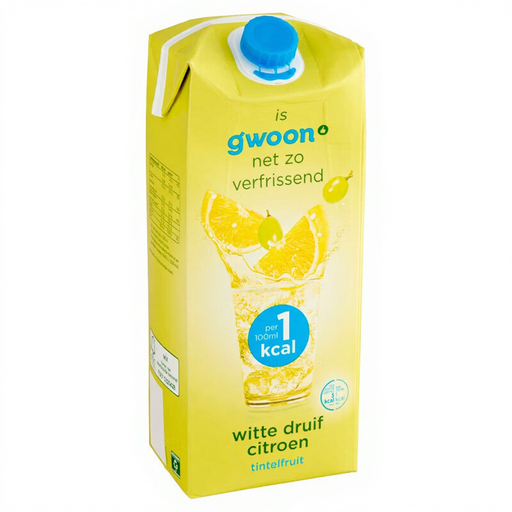
Why this fits the profile: The 1.5-litre bottle is suitable for home use and sharing. The combination of white grape and lemon offers a change from standard soft drinks.
The product information states 5.43 grams of sugars and 23 kcal per 100 ml. This shows you straight away that “light” isn’t the same as sugar-free.
1.5 litre volume, light carbonation and 1.8% fruit juice from concentrate according to the product description.

Why this fits the profile: The individual 330 ml cans are practical for serving chilled, on the go or at a gathering.
The box makes the number of portions and the total size clear. According to the product description, it contains 12 cans of 330 ml.
According to the product description: 100% coconut water, 2% coconut pieces and no added sugar.
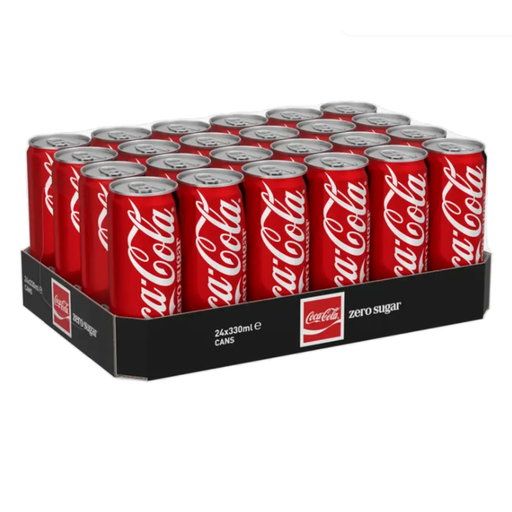
Why this fits the profile: A tray of 24 cans suits households, parties and regular individual portions.
The product specification states 0 grams of sugar and 0 kcal per 100 ml. The warning about phenylalanine is also clearly listed.
24 portions of 330 ml, suitable for serving chilled and, according to the product description, sugar-free.
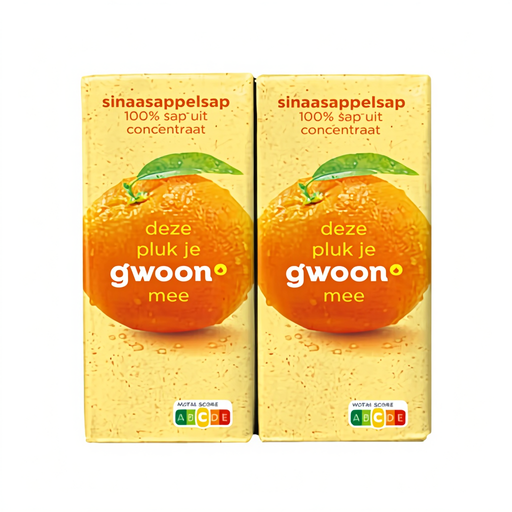
Why this fits the profile: The 1.2-litre volume is suitable for breakfast, family use and occasions when fruit juice is wanted.
The ingredients list states orange juice from concentrate and no added sugars. The nutritional information shows 43 kcal and 8.86 grams of sugars per 100 ml.
1.2 litre volume, fruit juice from concentrate and 0 grams of added sugar according to the product information.
We’ve put together a full, up-to-date list of products that fully meet these strict selection criteria and comply with current European safety regulations.
That depends on the price per litre, delivery costs and any offers. Always compare the total volume and not just the price of one pack. A multipack can be handy for stocking up, but it’s less worthwhile if you don’t yet know a flavour or have limited space.
Follow the instructions on the packaging. Many carbonated drinks need to be stored in the fridge after opening and used within the stated period. Seal a bottle tightly and check the shelf life information before consuming.
Look at the nutritional information and ingredients, not just the front of the packaging. Coca-Cola Zero Sugar, Pepsi Zero Sugar and various fruit drinks are listed as sugar-free or without sugar in the product information. Always check which sweeteners are used and whether there are any specific warnings on the label.
