
Vandaag of morgen in huis

Kwaliteit gegarandeerd

Welkomstaanbiedingen ontgrendelen: GRATIS bezorging | Tot 80% korting | Gratis 30 dagen JoyPlus-proefperiode
Download de app
When you want to buy soft drinks and fruit juices online, you’ll quickly see a huge selection: from iced tea and carbonated drinks to coconut water, soya milk and Korean beverages. That wide range is convenient, but product photos and short marketing texts don’t always tell the full story. The packaging, portion size and nutritional value often determine whether a purchase really suits your needs.
A name like mango, watermelon or muscat doesn’t automatically tell you how much fruit is actually in a drink. So check the ingredients list. There you’ll see whether it contains juice from concentrate, flavourings, sugar, sweeteners or just a small percentage of fruit juice.
With a fruit drink, the order of ingredients can reveal a lot: what’s listed first is usually present in the largest amount. Also look at the nutritional value per 100 ml and per pack. A 1-litre carton requires a different comparison to a 230 ml can.
A sugar-free soft drink and a drink with no added sugar are not automatically the same thing. With a sugar-free variant, the sweet taste may come from sweeteners. With fruit drinks, naturally occurring sugars can count, even if no sugar has been added.
So read the “of which sugars” line in the nutrition table. For products with sweeteners, also check the allergen information. Oasis Apple Berry Raspberry Drink, for example, states that the product contains a source of phenylalanine.
A multi-pack of drinks often seems good value, but the price per litre or per 100 ml gives a fairer picture. A tray of 24 cans of Lipton Ice Tea is practical for a party or keeping a regular stock, while a single bottle or pouch might make more sense for on the go.
Also check the shelf life, storage conditions and the space you have available. A box of 24 cans takes up more room than a few individual ready-to-drink beverages. With a chilled product or one that needs to be used quickly after opening, the pack size is especially important.
Check for every drink:
With soya milk, soya is a key concern. According to the product information, Vitasoy Original Soy Milk contains water, sugar and soya beans, and is packed in six 250 ml units. If you’re looking for a plant-based drink, you can also browse the full range of plant-based drinks.
Choose a size that suits your situation:
A can is sturdy and easy to carry, but can’t be resealed. A bottle or pouch can be more convenient if you don’t want to finish the drink in one go.
Always compare the same unit. For example, Lipton Ice Tea Green Zero states 0 grams of sugar per 100 ml according to the product information, while Café Real Peach Iced Tea states 24 grams of sugar per 230 ml pouch. These are different portion sizes, so only the label allows a proper comparison.
Also note the difference between carbonated and still drinks. A fizzy drink like Mirinda Orange or a sparkling iced tea suits a different drinking occasion than a still fruit drink, coconut water or soya drink.
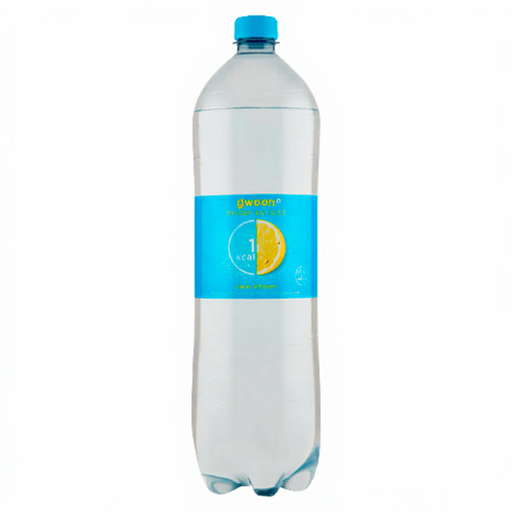
Why this suits the profile: The 1.5-litre bottle is ideal for home use and sharing. According to the product information, the drink contains 0 grams of sugar per 100 ml.
The contents and nutritional value are clearly stated, so you don’t have to rely solely on the lemon flavour or packaging.
1.5 litre capacity; carbonated; according to the label, 1 kcal and 0 grams of sugar per 100 ml.

Why this suits the profile: The box of twelve 330 ml cans provides a steady supply and a portion size that can be served chilled.
The product information lists the ingredients, the volume per can and storage instructions after opening. So you know exactly what you’re buying and how to store it.
12 x 330 ml; according to the product description, 100% coconut water with no added sugar; contains coconut pieces.
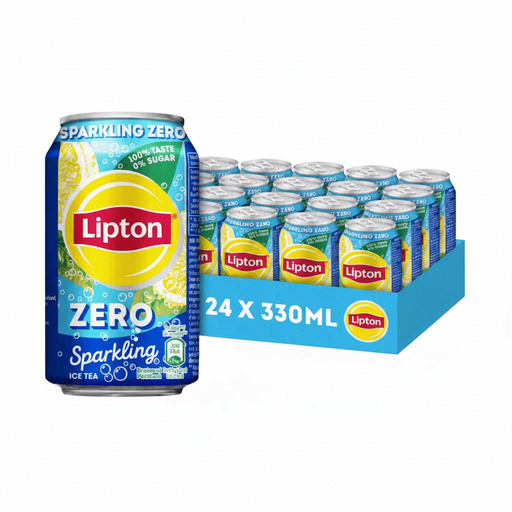
Why this suits the profile: A tray of 24 cans is practical for regular use, an office or a party where you need multiple servings.
The packaging states the exact number of cans and the volume. According to the product information, this is a sugar-free, carbonated iced tea.
24 x 330 ml; sparkling iced tea; according to the product description, 0% sugar and low in calories.
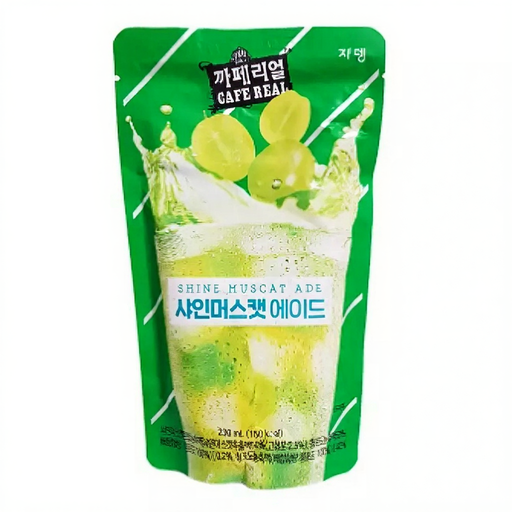
Why this suits the profile: This Korean drink in a 230 ml pouch is aimed at anyone looking for an exotic flavour and a portable pack.
The nutritional information makes it clear that one pouch contains 150 kcal and 36 grams of sugar. This allows you to assess the sweet muscat flavour in the right context.
230 ml per pouch; Korean origin according to the product information; none of the 14 major EU allergens listed.
We’ve put together a full, up-to-date list of products that fully meet these strict selection criteria and comply with current European safety regulations.
That depends on the volume, delivery costs and the pack size. Compare the price per litre, not just the price of the box. A multi-pack can be attractive if you drink them regularly, but individual cans or pouches help reduce waste when you want to try different flavours.
Store unopened drinks according to the instructions on the packaging, usually in a cool place out of direct sunlight. Once opened, a product often needs to be refrigerated and used within the stated period. Always check the best-before date and the manufacturer’s specific instructions.
For on the go, 230 ml or 330 ml packs are practical. A can of soft drink, a pouch of Korean drink or a small carton of soya milk is easy to carry. If you want to reseal the drink later, choose a bottle with a cap instead.
