
Vandaag of morgen in huis

Kwaliteit gegarandeerd

Welkomstaanbiedingen ontgrendelen: GRATIS bezorging | Tot 80% korting | Gratis 30 dagen JoyPlus-proefperiode
Download de app
Buying soft drinks and fruit drinks online might seem straightforward, but product pages often use different terms for similar drinks. A 1-litre bottle can look like good value, while a multipack of small cans is often more practical. What’s more, “no added sugar”, “sugar-free” and “with fruit juice” don’t mean the same thing.
With these checks, you can compare soft drinks, fruit drinks and international beverages in a practical way. That way, you’ll choose a pack that suits your household, when you’ll drink it, and your taste preferences.
A fruit drink with no added sugar can still contain naturally occurring sugars. For example, Iam Superjuice Passionfruit states “no added sugar” and the product information shows 17 kcal per 100 ml. That’s quite different from a product with 0 grams of sugar.
So always check:
With a product like Capri-Sun Elf Drink Juice, the nutritional information shows 8.2 grams of sugar per 100 ml. The pack contains 200 ml pouches, so the amount per serving is different from a 330 ml can.
A box of 12 or 24 packs might look appealing, but compare the total number of litres too. A multipack of soft drinks with 24 cans of 330 ml contains 7.92 litres. A 1.5-litre bottle of soft drink is easier to store, but once opened you need to think about refrigeration and loss of fizz.
Use this simple calculation:
Number of packs × volume per pack = total volume
Also think about the waste. Cans, bottles, cartons and drink pouches each need to be recycled differently in the UK.
“Fruit”, “tropical” or “berry” only gives a general idea of the flavour. Look further at the ingredients. A tropical drink might combine mango, pineapple, passion fruit, guava or apple. A fizzy soft drink might mainly contain flavourings with a small percentage of fruit juice.
With international products, it’s also wise to check:
Always compare products on the same basis: per 100 ml. That way, a small can won’t look more favourable than a large bottle. Sugar-free soft drinks may contain sweeteners such as aspartame, acesulfame-K, sucralose or steviol glycosides, according to the label. For products with aspartame, check for the warning about a source of phenylalanine.
“No added sugar” doesn’t automatically mean “no sugar”. That difference is especially relevant for fruit juice and fruit drinks.
Smaller sizes, such as soft drinks 230 ml, soft drinks 330 ml or 200 ml bottles, are handy for on the go, lunchboxes or parties. A 1-litre or 1.5-litre pack is better for a family meal or when several people are drinking the same flavour.
Buying in bulk is especially practical when:
The product packaging is always the most up-to-date source for ingredients, nutritional values and shelf life. Product information online can change. If in doubt, check the label when it arrives.
Look out for specific ingredients:
Once opened, a drink often needs to be kept chilled and used within the time stated on the pack.
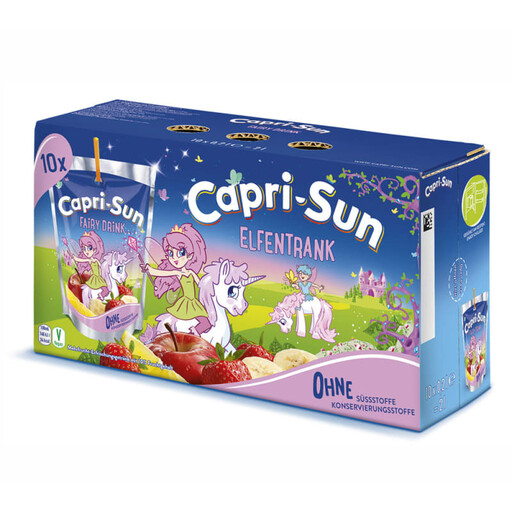
Why this fits the profile: The individual 200 ml pouches are easy to hand out on days out, at children’s parties or for a lunchtime treat.
The volume per pouch and the number of packs are clearly stated. Do check the 8.2 grams of sugar per 100 ml on the label.
10 pouches of 200 ml; according to the product information, vegan, lactose-free and free from the 14 major EU allergens.

Why this fits the profile: For fans of a distinctive Asian and tropical drink with passion fruit flavour, in a bulk size for home.
The product information states 30% passion fruit juice, no added sugar and 17 kcal per 100 ml. Check the actual packaging on delivery.
12 cans of 330 ml; distinctive sweet-and-sour passion fruit flavour and best served chilled.
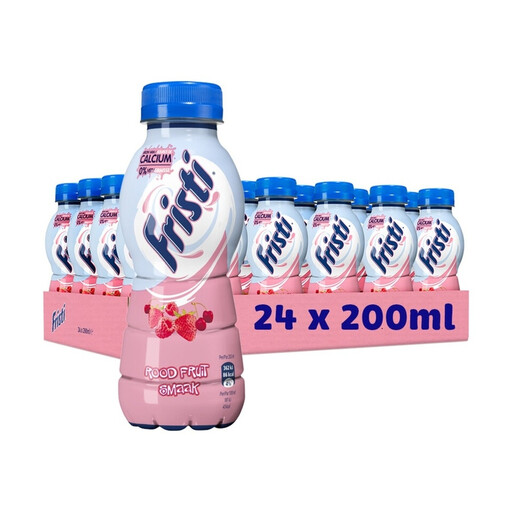
Why this fits the profile: A large multipack for households, schools, workplaces or gatherings where small chilled portions are needed.
The size is clear: 24 bottles of 200 ml. Be aware of milk as an allergen and follow the chilled storage instructions after opening.
24 portions of 200 ml; red fruit flavour and, according to the product information, 43 kcal and 7.7 grams of sugar per 100 ml.
We’ve put together a full, up-to-date list of products that fully meet these strict selection criteria and current European safety regulations.
Don’t just look at the price of one bottle or can. Work out the price per litre and factor in any delivery costs. A 12-pack of tropical drink might be more expensive per can, but could lead to less waste if everyone drinks the same flavour. For a family, a 1-litre or 1.5-litre pack is often better value, while small cans are handier for portion control and on the go.
Also check whether you can order several boxes together without buying more than you can store. Soft drinks, fruit juice and kombucha often have a long shelf life, but the exact date is on the packaging.
Fruit juice is made from juice, possibly from concentrate, while fruit drink often contains water, juice, flavourings, sweeteners or other ingredients. Look at the stated percentage of fruit juice to compare products fairly.
No. Sugar-free soft drinks often contain sweeteners to give a sweet taste. Check the ingredients list and nutritional values. With aspartame, the relevant warning should be on the label.
That varies by product. Fizzy soft drinks gradually lose their carbonation after opening. Drinking yoghurt and other milk-based drinks usually need to be kept chilled and used within the time stated on the pack. Always follow the manufacturer’s storage and shelf-life information.
