
Vandaag of morgen in huis

Kwaliteit gegarandeerd

Welkomstaanbiedingen ontgrendelen: GRATIS bezorging | Tot 80% korting | Gratis 30 dagen JoyPlus-proefperiode
Download de app
Buying soft drinks online is convenient when you want to quickly stock up on cola, iced tea or unusual Asian soft drinks. However, you can’t always see exactly what you’re getting online. A striking package tells you little about the amount of sugar, the number of cans or the presence of caffeine.
With this practical selection guide, you can compare soft drinks on verifiable points. This way, you can order soft drinks with confidence, whether you’re looking for a few cans for home, need a soft drink multipack for a party or want to top up your pantry.
A product labelled zero sugar contains no sugar according to the product information, but it may still contain sweeteners and caffeine. For example, Pepsi Zero Sugar contains sweeteners and caffeine. If you also want to avoid caffeine, you need to check the ingredients list.
Also look out for warnings such as “contains a source of phenylalanine” on products with aspartame. Always check the packaging, especially if you need to be mindful of specific ingredients.
A low total price doesn’t automatically mean you’re getting a good deal. Compare:
A tray of 24 cans of soft drink is practical for a household or office, but less suitable if you want to try a flavour first. A smaller pack, such as 6 x 250 ml, reduces the risk of unused stock.
Words like “fruity”, “exotic” or “refreshing” mainly describe the positioning of a drink. They don’t tell you how much fruit juice, sugar or sweetener it contains. So look at the nutritional values per 100 ml and the ingredients list.
The same applies to a drink with a specific function or nutritional benefit: don’t treat brand claims as established fact. According to a brand’s own research, a product may have certain properties, but for your purchasing decision, the ingredients and nutritional values on the label are what matter.
Always compare the values per 100 ml. This way, you can fairly compare a 250 ml can with a 330 ml or 355 ml can. A regular fruity soft drink often contains sugar, whereas a zero sugar soft drink usually uses sweeteners.
Examples from the range:
“Without sugar” therefore doesn’t automatically mean “without sweeteners”. Also check whether you prefer a regular or sugar-free drink.
Cola and some iced tea varieties contain caffeine. If caffeine isn’t clearly stated in the short product description, look at the ingredients. Coca-Cola Zero Sugar Caffeine Free is, according to the product information, a caffeine-free variant, while Pepsi Zero Sugar lists caffeine.
With iced tea, it’s useful to look at the type of tea. Vitasoy Lemon Tea is made with black tea and lemon juice according to the product description. Lipton Ice Tea Green Zero contains green tea extract. The amount of tea extract and caffeine can vary from product to product.
Cans are easy to divide up and chill. When ordering online, pay attention to:
For a student house, office or party, a large tray is practical. For a new flavour, such as Asian soft drinks, a smaller pack is often a sensible first step.
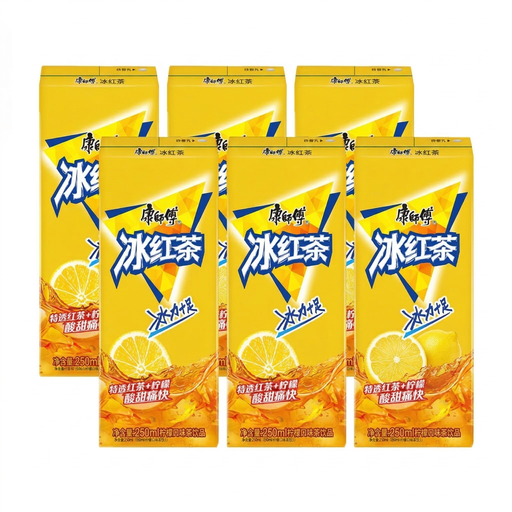
Why this fits the profile: The pack of 6 x 250 ml is manageable if you want to try an Asian iced tea without buying a large quantity straight away.
The product information states 36 kcal and 8 grams of sugar per 100 ml. This means you can take the nutritional values into account in advance, rather than relying solely on the flavour name.
Black tea with lemon flavour, 6 individual 250 ml cans and, according to the product data, fat-free.
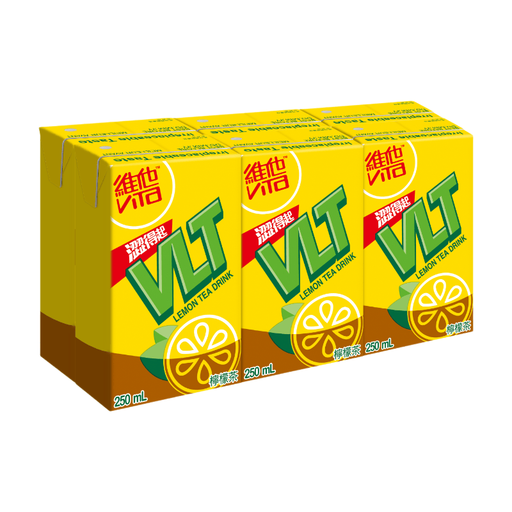
Why this fits the profile: Suitable for those who pay attention to a clear ingredients list and are looking for a combination of black tea and lemon.
The nutritional information states 10.2 grams of sugar per 100 ml. This means it’s not a hidden sugar-free choice, but a drink you can consciously select based on flavour and composition.
Contains black tea, lemon juice and vitamin C according to the product data; supplied as 6 x 250 ml.
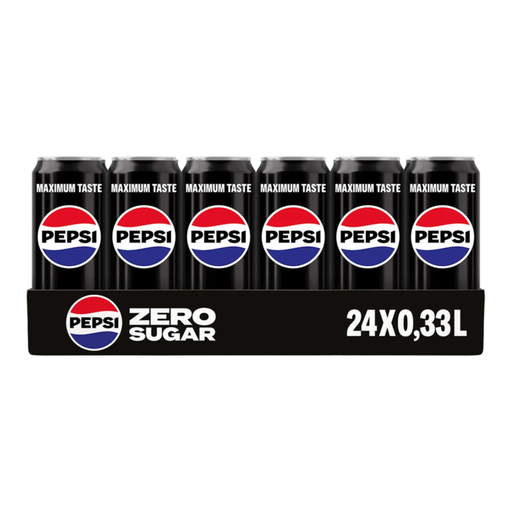
Why this fits the profile: A tray of 24 cans of 330 ml is ideal for offices, student houses and households that regularly serve sugar-free cola.
The product data states 0 grams of sugar and 0.4 kcal per 100 ml. At the same time, caffeine is listed in the ingredients, so you don’t confuse this choice with a caffeine-free cola.
24 x 330 ml, sugar-free according to the label and suitable for serving chilled.
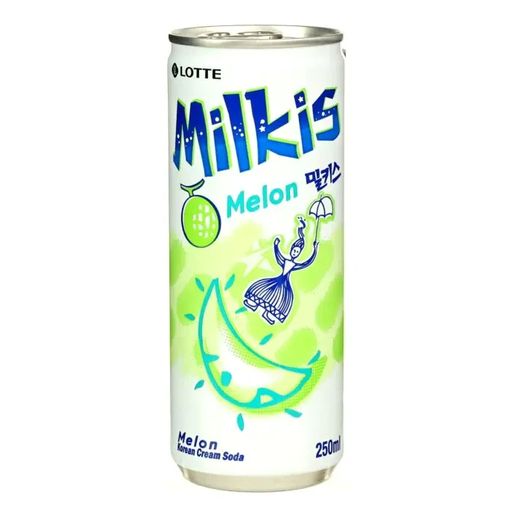
Why this fits the profile: For those looking for an Asian soft drink with a different flavour profile, rather than a standard cola or lemon-lime soft drink.
The product information makes it clear that this is a carbonated milk drink with melon flavour. The combination therefore differs from regular soft drinks and can be properly assessed in advance.
Melon flavour, 250 ml per can and, according to the product information, skimmed milk powder; contains milk and soya.
We’ve put together a full, up-to-date list of products that fully meet these strict selection criteria and comply with current European safety regulations.
First, compare the volume per can, the number of packs and the price per litre. Then check sugar, sweeteners, caffeine, allergens and the recommended storage method. This way, you compare a soft drink deal on content rather than just the price on the product page.
No. Some zero sugar colas contain caffeine. Choose a product that explicitly states it is caffeine-free, such as the aforementioned Coca-Cola Zero Sugar Caffeine Free, and always check the current packaging before purchase.
Follow the instructions on the label. Many products need to be stored in the fridge after opening and consumed within the stated period. Store unopened cans in a cool, dry place away from direct sunlight. This helps preserve the flavour and carbonation better until serving.
