
Vandaag of morgen in huis

Kwaliteit gegarandeerd

Welkomstaanbiedingen ontgrendelen: GRATIS bezorging | Tot 80% korting | Gratis 30 dagen JoyPlus-proefperiode
Download de app
If you want to buy soft drinks and coffee online, you’ll quickly come across dozens of flavours, pack sizes and varieties. A multipack might seem convenient, but it doesn’t always suit your consumption. And a product with words like “zero”, “espresso” or “latte” on the label can differ significantly in ingredients and nutritional values.
That’s why it’s important to look at the information behind the packaging. This way, you can avoid paying too much for a flavour you don’t like, a stock that’s too large, or a drink that doesn’t suit when you want to enjoy it.
A tray of 330 ml cans of soft drink is practical for an office, party or catering business. For a small household, however, 24 cans can be unnecessarily excessive. Work out in advance how many portions you actually need and check the best-before date on the packaging.
A bottle is sometimes more suitable for home use. Coca-Cola Regular, for example, is available as 12 x 500 ml PET bottles. The resealable packaging can be handy when you don’t drink everything in one go.
Coca-Cola Zero Sugar and Pepsi Zero Sugar contain no sugar and virtually no energy according to the product information. That doesn’t mean the ingredients are identical to those of regular cola. For instance, Pepsi Zero Sugar lists sweeteners such as E950 and E951/aspartame, and the product contains a source of phenylalanine.
If you have an allergy, sensitivity or specific dietary choice, always check the current label. Product formulas and packaging can change.
With coffee, iced coffee and energy drinks, it’s wise not to just look at the flavour. The amount of caffeine isn’t listed in the same way on every product. Starbucks Tripleshot Espresso Iced Coffee, for example, states 47 mg of caffeine per 100 ml. With a 300 ml bottle, the total content is therefore relevant to your choice.
Slammers Energy Drink lists caffeine and taurine in the ingredient information. According to the product description, this drink is not recommended for children, pregnant women, breastfeeding women or people with certain medical conditions. Always follow the warnings on the packaging.
Look at three things:
For on the go, small cans and coffee drinks in a pouch or carton are easy to take with you. For an office, boxes with individual portions are often more organised. For a party, a multipack of soft drinks can be more cost-effective than individual cans, but always compare the price per litre.
Compare nutritional values preferably per 100 ml. Coca-Cola Vanilla contains 10.6 grams of sugar per 100 ml and 43 kcal according to the product information. Coca-Cola Cherry lists 11.4 grams of sugar and 46 kcal per 100 ml. Pepsi Regular gives 7 grams of carbohydrates and 28 kcal per 100 grams; for a direct comparison, always check that the unit is the same on both labels.
With coffee concentrates, the preparation method is important. Nescafé Espresso Concentrate Caramel and Vanilla come in 500 ml bottles and state 16 servings. The nutritional values apply to the prepared product. So check how much concentrate you use per cup and what you dilute it with.
A product may sound familiar by name, but can still contain milk, sweeteners or other ingredients. Caffe Bene Caramel Macchiato, for example, contains milk. Starbucks Matcha Latte contains milk constituents and lactose. Trung Nguyen G7 3-in-1 contains coffee, creamer and sugar, and lists milk protein as an allergen.
With instant coffee, espresso concentrate and matcha latte, pay attention to:
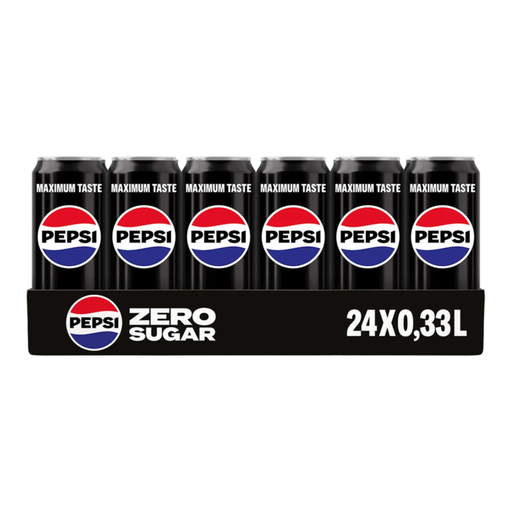
Why this suits the profile: A tray of 24 cans of 330 ml offers a fixed portion size for home, office or a gathering. The nutritional information states 0 grams of sugar per 100 ml.
The clear format prevents you from comparing different bottle sizes. Do check the listed sweeteners and the warning about phenylalanine.
24 x 330 ml; 0 grams of sugar and 0.4 kcal per 100 ml according to the product information.
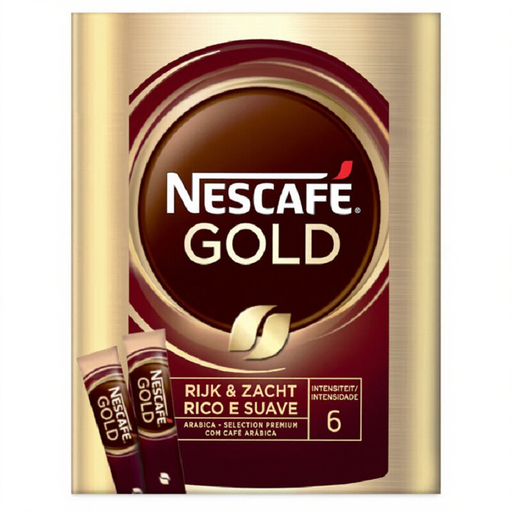
Why this suits the profile: This instant coffee consists of 25 individual portions of 1.8 grams. That makes dosing easy at the office, at home or while travelling.
You don’t need to store a large opened jar or work out a scoop size yourself. After receiving it, check the storage instructions and keep the packaging dry and sealed.
25 servings; only instant coffee as an ingredient; suitable for preparation with hot water.
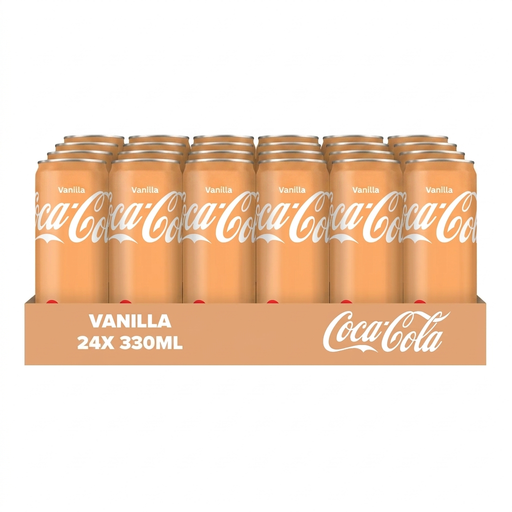
Why this suits the profile: For offices, catering businesses and fans of international drinks, a tray with a specific flavour is easy to plan.
The flavour variant is clearly stated, so you don’t accidentally order standard cola. Do check in advance whether vanilla cola suits your audience.
24 cans of 330 ml; vanilla flavour; 43 kcal and 10.6 grams of sugar per 100 ml according to the product information.
In addition to regular soft drinks, you can choose online from Coca-Cola Cherry, Pepsi Strawberry & Cream, iced coffee, Americano coffee, energy drinks and matcha latte. For a sweet coffee drink, Nescafé Espresso Concentrate Caramel and Vanilla are available in 500 ml bottles with 16 servings according to the product information.
If you don’t use a coffee machine, you can look at Nescafé instant coffee, Trung Nguyen G7 3-in-1 or Starbucks Matcha Latte in portion packs. For chilled use, options include Starbucks Tripleshot Espresso Iced Coffee, Caffe Bene Americano and McNulty Ice Americano. Always check the allergens and storage instructions for drinks containing milk.
We’ve put together a full, up-to-date list of products that fully meet these strict selection criteria and comply with current European safety regulations.
That depends on the offer, packaging and delivery costs. Calculate the price per litre or per can. A tray of 24 x 330 ml isn’t automatically better value if you don’t use part of the stock.
Look at the best-before date on the packaging. Store soft drinks and unopened instant coffee in a cool, dry place away from direct sunlight. Opened coffee drinks containing milk often need to be kept refrigerated according to the packaging and used within the stated period.
For the office, portion packs such as Nescafé Gold, 3-in-1 coffee sachets and 330 ml cans are easy to manage. For on the go, 190 ml coffee drinks and resealable bottles are practical. With energy drinks and caffeinated coffee, always pay attention to the caffeine warning and the recommended usage information on the label.
