
Vandaag of morgen in huis

Kwaliteit gegarandeerd

Welkomstaanbiedingen ontgrendelen: GRATIS bezorging | Tot 80% korting | Gratis 30 dagen JoyPlus-proefperiode
Download de app
If you want to buy soft drinks and cider online, you’ll quickly see a huge range: from fizzy pop and alcohol-free drinks to flavoured mineral water, ginger beer and international soft drinks. An attractive label alone isn’t enough, though. The real differences often lie in sugar content, portion size, alcohol percentage and the cost per litre.
With this practical buying guide, you can compare products using verifiable data and avoid a purchase that doesn’t suit how you’ll use them.
A pack of 24 cans might seem handy for a party or a big household. But the price per litre isn’t always lower than a smaller pack. So, work out:
A soft drink multipack is most practical when you regularly drink the same flavour or need a stock for visitors.
Fruity soft drinks can contain fruit juice, sugar, sweeteners or a combination of these. For example, Orangina Regular contains 9.1 grams of sugar per 100 ml, while Volvic Touch of Fruit Strawberry lists 0 grams of sugar per 100 ml according to the product information. The flavour description alone doesn’t give you the full picture.
Always check the nutritional information per 100 ml. Also pay attention to the portion size: a 1.5-litre bottle is easily misjudged compared with a 330 ml can.
A cider with 4.5% alcohol suits a different occasion than an alcohol-free drink. Apple Bandit Raspberry is an alcoholic cider with 4.5% alcohol and, according to the product information, is served chilled. Ginger beer and lemon-lime soft drinks, on the other hand, are usually alcohol-free, but check the packaging if you need to avoid alcohol completely.
When ordering online, it’s wise to look beyond just the product title – check the category, ingredients and alcohol percentage too.
If you want to choose a lower-sugar option, you need to look further than terms like ‘light’, ‘zero’ or ‘fruit’. Check:
G’woon Clear Lemon contains 0 grams of sugar per 100 ml according to the product data, and uses sweeteners including sucralose and acesulfame-K. Sprite Zero Sugar Lemon-Lime lists 0 grams of sugar per 100 ml, but does contain acesulfame-K and aspartame. The product also notes it is a source of phenylalanine. If in doubt, always read the label before consumption.
Smaller packs of 250 to 375 ml are handy for individual portions, on the go or with a meal. Bottles of 1.5 litres make more sense for families and table use. Cans in a multipack are suitable when you want to portion drinks out in advance.
Don’t just compare the price of the pack – compare the volume too. A pack of 6 x 330 ml contains 1.98 litres, whereas 6 x 1.5 litres gives you 9 litres in total. That makes a big difference to the price per litre and the storage needed.
Choose your drink based on the occasion:
When it comes to claims about origin or production methods, treat brand communication as information from the brand itself and check the product packaging for the latest details.
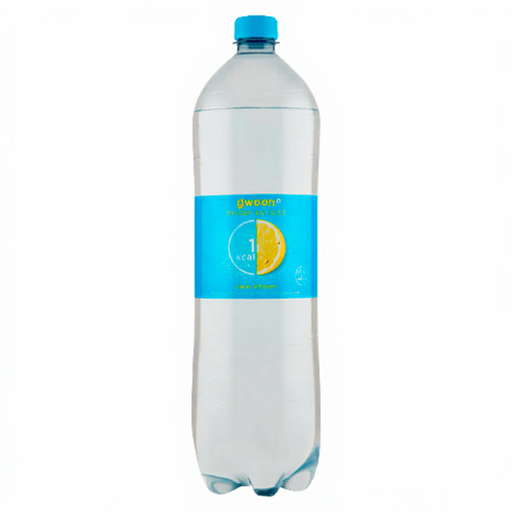
Why this suits the profile: The 1.5-litre bottle is ideal for home use and meals. The lemon flavour offers a familiar choice for anyone ordering soft drinks online for the first time.
The product information states 0 grams of sugar per 100 ml. Check the current packaging if you want to compare sweeteners or ingredients.
1.5 litres per bottle; sparkling lemon-lime flavour; according to the product data, contains none of the 14 main EU allergens.
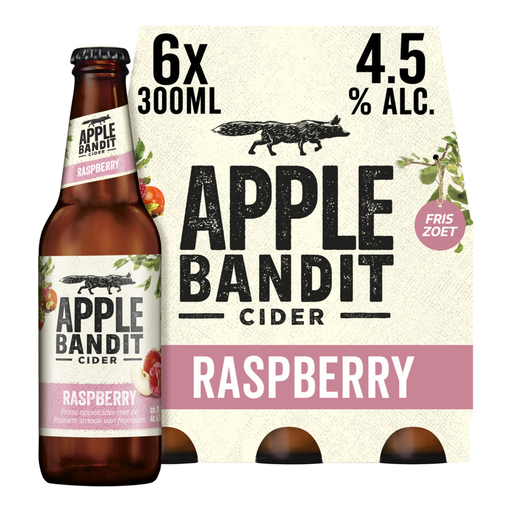
Why this suits the profile: This cider combines apple with raspberry and strawberry juice, and is perfect for a chilled adult drinking occasion.
The alcohol percentage is clearly stated: 4.5%. This means it won’t be an accidental choice for anyone looking for alcohol-free drinks.
6 bottles of 30 cl; 4.5% alcohol; gluten-free according to the product information; 5.5 grams of sugar per 100 ml.
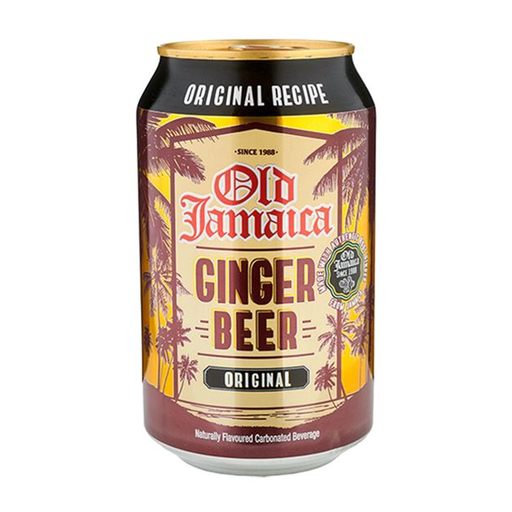
Why this suits the profile: The 330 ml portion is ideal for individual consumption and as a mixer in cocktails or mocktails.
The product title states it is alcohol-free, and the ingredients list includes ginger root extract. Check the label if the composition or allergens are important to you.
330 ml per can; alcohol-free according to the product information; distinctive ginger flavour; can be used as a mixer.
We’ve put together a full, up-to-date list of products that fully meet these strict selection criteria and comply with current European safety regulations.
For a lemon-lime soft drink, you can look at the balance between sugar and sweeteners, among other things. For a fruity option, Orangina, Volvic Touch of Fruit Mango Passion and Volvic Touch of Fruit Strawberry are different types of product: a soft drink, a flavoured mineral water and a larger family pack.
If you’re after international flavours, you could look at Jarritos Mandarin from Mexico, Jeju Hallabong ADE from South Korea or KA Black Grape in a pack of 24 x 330 ml. For a more neutral option, Sourcy Red Sparkling Mineral Water and g’woon Sparkling Mineral Water are suitable for drinking chilled or using as a mixer.
First, check the volume, price per litre, sugar content, sweeteners, alcohol percentage and ingredients. Then look at the packaging: can, bottle or multipack. This way, you avoid a product seeming cheaper than it really is just because of the large pack size.
Ginger beer, lemon-lime soft drinks, sparkling mineral water and some citrus drinks can be used as mixers. Old Jamaica Ginger Beer and Bundaberg Ginger Beer are mentioned in the product information as suitable for cocktails or mocktails. The final taste depends on the other ingredients and the level of fizz you want.
Store unopened drinks in a cool, dry place away from direct sunlight or heat. Once opened, many products need to be kept chilled and used within the period stated on the packaging. Always check the seal and the best-before information before consuming.
