
Vandaag of morgen in huis

Kwaliteit gegarandeerd

Welkomstaanbiedingen ontgrendelen: GRATIS bezorging | Tot 80% korting | Gratis 30 dagen JoyPlus-proefperiode
Download de app
When you buy soft drinks and alcoholic drinks online, you’ll quickly see a huge selection of premix cocktails, fruit sodas, prosecco and multipacks. That’s convenient, but product pages sometimes rely on flavour descriptions and festive imagery. As a result, important differences in alcohol content, volume, packaging and ingredients can be overlooked.
With this practical approach, you can compare products based on verifiable facts. That way, you can order with confidence for a barbecue, a drinks party, a celebration or simply to stock up your cupboard.
A soft drink multipack with 24 cans is practical for a party or a large household. For everyday use, however, such a bulk supply can be inconvenient if you have limited storage space or want to try different flavours. So don’t just look at the total price – also consider:
A pack of four ready-to-drink cocktails can be more suitable for a small gathering than a larger box of a single flavour.
Words like “refreshing”, “light” or “tropical” describe the taste, not the amount of alcohol. A Bacardi Breezer, Smirnoff Ice or Bacardi Mojito may have a sweet, approachable character, but it is still an alcoholic drink. Always check the alcohol percentage, the volume and the number of servings.
The range includes, for example, Smirnoff Ice Original with 4% alcohol and Bacardi Mango Mojito with 5.0% alcohol. Tiresia Prosecco states 11% alcohol. These products are therefore not simply interchangeable.
An alcohol-free gin and tonic can be an alternative for guests who don’t want to drink alcohol. However, that says nothing about the sugar content. Sir James Pink Gin & Tonic, for instance, lists 37 kcal and 9 grams of sugar per 100 grams. So with alcohol-free soft drinks, always check the nutritional values and ingredients list too.
First, make a distinction between:
For alcoholic products, pay attention to the stated percentage and drink responsibly. Alcohol is intended for adults only. When buying online, check the age verification and delivery terms.
A 250 ml can is usually intended as a single serving. A 750 ml bottle, such as prosecco or a Bellini cocktail, is more suited to sharing. Also note the serving instructions:
So the choice depends on the occasion and the number of guests, not just the brand.
Always check the label if you have allergies or specific preferences. Tiresia Prosecco, for example, states sulphites. For other products, it may say that the fourteen main EU allergens are not present, but check the actual packaging if this is important to you.
Store drinks according to the product information: usually in a cool, dark place away from heat and direct sunlight. Once opened, some bottles need to be kept refrigerated and used within the stated period.
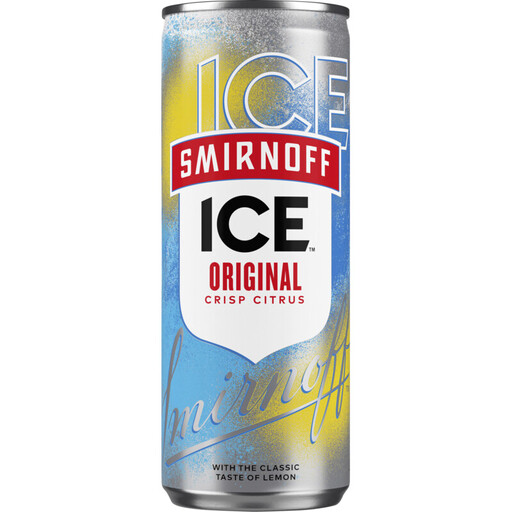
Why this suits the profile: A single 250 ml serving makes it easy to try a familiar premix cocktail without ordering a large multipack straight away. The product description states 4% alcohol.
The volume and alcohol percentage are clearly stated. So you don’t need to rely on a flavour description as a measure of strength.
250 ml per can; 4% alcohol; citrus profile with Smirnoff No. 21 vodka according to the product information.
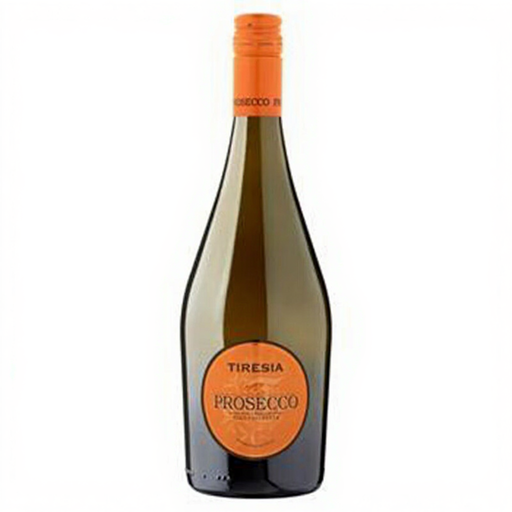
Why this suits the profile: The 750 ml bottle is designed for sharing during a drinks party or a celebratory occasion. The description mentions a sparkling character with aromas of green apple, pear and citrus.
The product page lists the alcohol percentage, volume, ingredients and sulphites. So you can check whether the bottle suits your group and menu.
750 ml; 11% alcohol; Glera grapes and sulphites listed in the ingredients.
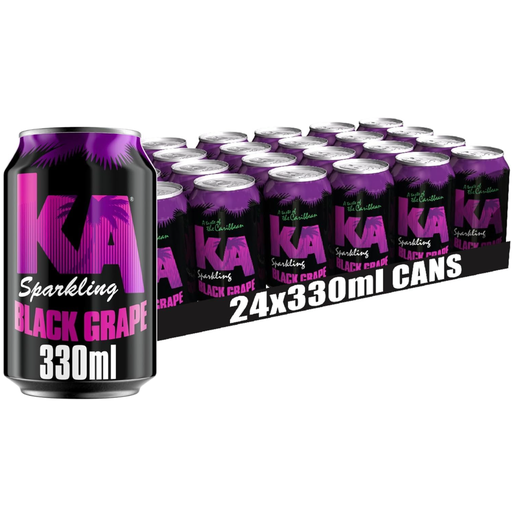
Why this suits the profile: This multipack of 24 cans of 330 ml is aimed at party drinks, larger gatherings or keeping a generous supply of soft drinks.
The number of cans and the volume per can are clearly stated. This allows you to match the supply to the number of guests, rather than just looking at the packaging.
24 cans; 330 ml each; carbonated black grape flavour according to the product description.
We’ve put together a full, up-to-date list of products that fully meet these strict selection criteria and comply with current European safety regulations.
Compare the price per litre rather than just the price per pack. Divide the total volume by the number of cans or bottles. Also take delivery costs and the number of flavours into account. A multipack is especially practical when you will actually use the full quantity.
Check the best-before information on the packaging. Store unopened soft drinks and alcoholic drinks in a cool, dark place away from direct sunlight. Once opened, additional instructions apply. Martini Bellini, for example, states that the bottle should be kept refrigerated after opening. Always check the label on your product.
Choose an alcohol-free option, such as Sir James Pink Gin & Tonic, and combine it with soft drinks like lemonade, fruit soda or a tropical mango soda. Check the label: alcohol-free does not automatically mean low in sugar. Make sure alcohol-free and alcoholic drinks are kept clearly separate when serving.
