
Vandaag of morgen in huis

Kwaliteit gegarandeerd

Welkomstaanbiedingen ontgrendelen: GRATIS bezorging | Tot 80% korting | Gratis 30 dagen JoyPlus-proefperiode
Download de app
When you’re looking to buy soft drink cans for home, the office, an event or a hospitality venue, you’ll naturally focus on brand and price. However, it’s the packaging, nutritional values and quantity that really determine a successful purchase. A low price per can isn’t much use if you choose a flavour that hardly anyone drinks, or if the packaging doesn’t fit your storage space.
In this buying guide, we’ve set out the key points to consider. You’ll also find practical product choices for different situations, from cola cans to sugar-free soft drinks and flavoured varieties.
A multipack might look cheap, but always check the number of cans and the volume per can. A pack of 24 x 330 ml contains 7.92 litres. A box of 12 x 500 ml bottles contains 6 litres. So compare the price per litre, not just the price per pack.
Also look out for labels like “x2”. With some products, this means you’ll receive two packs. Check the product page before you order, especially with 24 x 330 ml soft drinks and larger orders for an office or event.
Zero sugar cola contains no sugar according to the product information, but it may still contain caffeine. Coca-Cola Zero Sugar Cola and Pepsi Zero Sugar Cola, for example, list caffeine in the ingredients. If you want to serve soft drinks later in the day or are deliberately avoiding caffeine, you need to look beyond just the word “zero”.
The Coca-Cola Zero Sugar Caffeine Free variant is described as both sugar-free and caffeine-free. Always check the label on the packaging you receive, as recipes and product information can change.
Vanilla cola, cherry cola and fruity soft drinks can be great for a party, a varied selection or a tasting. But for a large stock in a canteen or office, a distinctive flavour won’t suit everyone. A combination of regular cola, sugar-free soft drinks and one flavoured option reduces the risk of leftover cans.
A 330 ml can is handy for individual servings, lunch, meetings and events. A bulk pack of 24 cans is practical when you’re serving regularly and want to reorder less often. For home use, a smaller pack like 6 x 330 ml or 12 x 330 ml may be more suitable if storage space is limited.
Also consider the type of packaging. Cans are ready to serve and can’t be resealed once opened. PET bottles of 500 ml with resealable caps are more practical when a drink isn’t finished in one go, but they take up more space.
Compare the nutritional values per 100 ml, not just per can. According to the product information provided, a regular cola contains around 10.6 g of sugar per 100 ml. In a 330 ml can, that works out at about 35 g of sugar per can. Coca-Cola Zero Sugar and Pepsi Zero Sugar list 0 g of sugar per 100 ml, with sweeteners such as aspartame, acesulfame-K or other sweeteners.
A product without sugar isn’t automatically caffeine-free. So check both the nutritional table and the ingredients list. Products containing aspartame usually carry a warning that they are a source of phenylalanine. People with a specific sensitivity should read the label carefully.
Regular cola often goes well with snacks, lunch and parties. A variant like Sprite Zero offers a lemon-lime flavour and is described as caffeine-free. Flavoured options such as Coca-Cola Vanilla, Coca-Cola Cherry or Dr Pepper Vanilla Float are best as an addition to a basic range.
For hospitality, canteens and events, it’s wise to calculate in advance how many cans you’ll need per visitor or per day. That way, you avoid buying too much stock just because of a temporary offer.
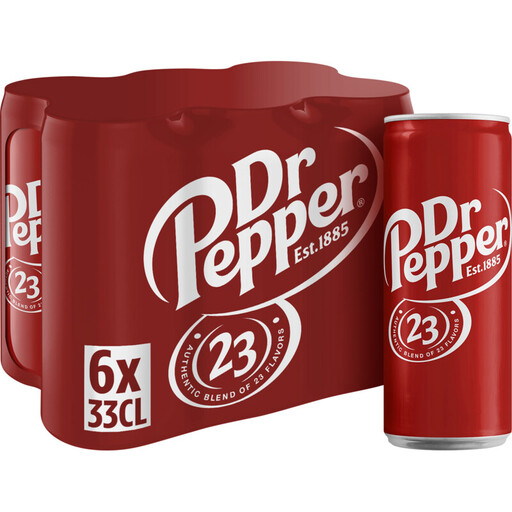
Why this suits this profile: A smaller pack of 6 cans is ideal for trying a flavour first, or for a household with limited storage space.
You won’t buy a large stock of a distinctive flavour before you know whether it’s actually liked.
6 x 330 ml; fruity cola flavour; the product information states 6.8 g sugar and 28 kcal per 100 ml.
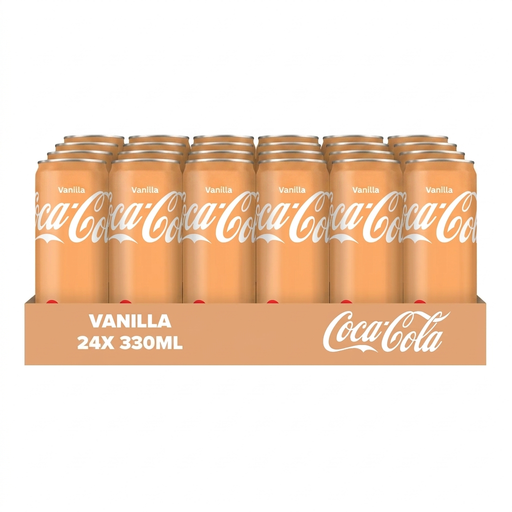
Why this suits this profile: The vanilla flavour gives a familiar cola a clear twist and can work well for parties, drinks occasions or a varied selection.
The flavour and packaging are clearly described, so you won’t confuse a flavoured cola with regular cola.
24 x 330 ml; vanilla cola; 43 kcal and 10.6 g sugar per 100 ml according to the product information.
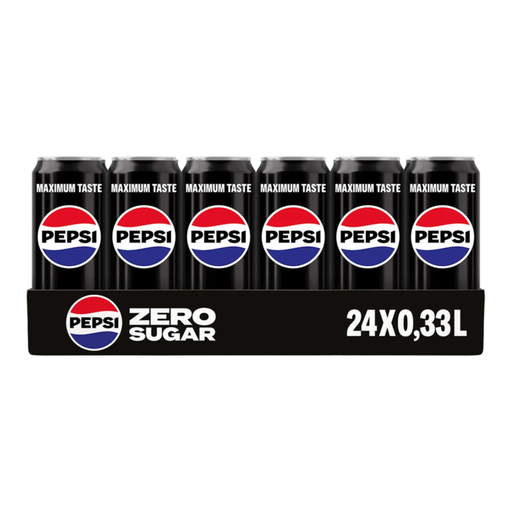
Why this suits this profile: A tray of 24 cans is practical for an office, canteen, event or a household with regular consumption.
The quantity is clear upfront: 24 cans of 330 ml. Do check the caffeine information before ordering.
24 x 330 ml; 0 g sugar and 0.4 kcal per 100 ml according to the product information; canned format for easy serving.

Why this suits this profile: This pack combines 24 cans of 330 ml with 0 g sugar and a caffeine-free recipe, according to the product details.
The product name makes the distinction between sugar-free and caffeine-free clear. Check the packaging again on receipt.
24 x 330 ml; 0 g sugar; 0.3 kcal per 100 ml; described as caffeine-free.
Browse a current selection of carbonated drinks in multipacks and compare brand, flavour, size and nutritional values.
Use this checklist before you check out:
A pack of 24 x 330 ml is practical when you want to hand out individual portions and easily keep track of stock. For a smaller party, 6 x 330 ml or 12 x 330 ml may be enough. Calculate the number of guests, the duration of the event and whether water or other drinks will also be served.
No. Coca-Cola Zero Sugar and Pepsi Zero Sugar list caffeine according to the product information provided. Only choose a caffeine-free variant when this is explicitly stated in the product name, ingredients list or nutritional information.
Store cans in a cool, dry place away from direct sunlight and excessive heat. Check the date on the packaging. An unopened can doesn’t need to be refrigerated, but serving it chilled can affect the taste. Once opened, a can cannot be resealed, so it’s best to drink it straight away.
