
Vandaag of morgen in huis

Kwaliteit gegarandeerd

Welkomstaanbiedingen ontgrendelen: GRATIS bezorging | Tot 80% korting | Gratis 30 dagen JoyPlus-proefperiode
Download de app
Buying snacks online seems straightforward. Yet it is not always clear whether a pack is suitable for a drinks gathering, a long car journey or a quiet coffee break. Photos can make products look larger than they really are, pack sizes vary considerably, and an eye-catching flavour name tells you little about the ingredients or allergens.
A few simple checks can help you avoid a disappointing purchase. Below, you’ll find what to look for when buying savoury snacks, sweet snacks, biscuits, crisps, nibbles and Asian snacks.
A 300g bag sounds generous, but it may be intended for sharing between several people. A box containing individually wrapped snacks, on the other hand, is more convenient for taking on the go or dividing into portions. So don’t just look at the total weight; check the number of pieces or individual bags too.
Examples include Hellema Smoeltjes Speculaas Cookies with 8 individual bags, Hsu Fu Chi Sachima with 18 packs, and Kanjers stroopwafels packaged in pairs. Details like these make a difference when you have guests, are packing lunchboxes or need snacks for the journey.
Words such as “mild”, “reduced sugar” or “natural flavour” should always be considered alongside the ingredients list. A product with less sugar may still contain relatively high levels of fat or carbohydrates. For example, HSU FU CHI Sachima Reduced Sugar lists 3.2g of sugar per 100g, but also contains 28.7g of fat.
According to g’woon’s product information, the Peanut Flips contain 50% peanuts and 48% milk chocolate. This gives you a clearer picture of the product than the name “peanut flips” alone.
Peanuts, nuts, milk, eggs, soya and gluten are found in many snacks. Packaging may also state that a product “may contain traces of” certain allergens. Always check the current ingredients and allergen information on the product page and packaging before ordering. With international snacks, recipes, language and import information may also vary.
Start by considering when you’ll be enjoying the snack:
Also check how long the product will keep after opening. For many snacks, the product information recommends resealing the packaging and storing the product in a cool, dry place away from direct sunlight.
The nutritional table makes comparing products easier. Pay particular attention to:
Always compare the same quantity, usually per 100g. A small individual bag may contain fewer calories because the portion is smaller, not because the snack is lower in calories per 100g.
Ingredients are listed in descending order by weight. Also check:
For example, according to the product description, Go-Tan Poppadums are made with chickpea flour and sunflower oil. The same information states that Go-Tan Emping Melindjo contains 71% melindjo nuts and sunflower oil. The two snacks therefore differ considerably in their base ingredients, flavour and allergen information.
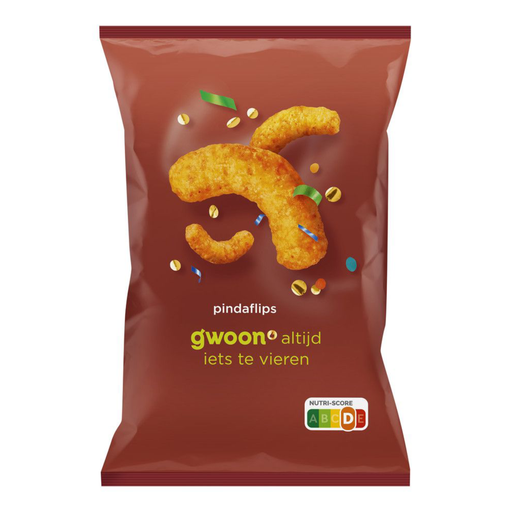
Why it suits this profile: A familiar combination of peanuts and milk chocolate in a 200g pack. Ideal if you’re looking for an accessible snack to enjoy at home.
The weight is clearly stated. The ingredients list also gives the proportions of peanuts and milk chocolate, so you don’t have to rely on the product name alone.
200g; 50% peanuts according to the product information; contains milk and soya.
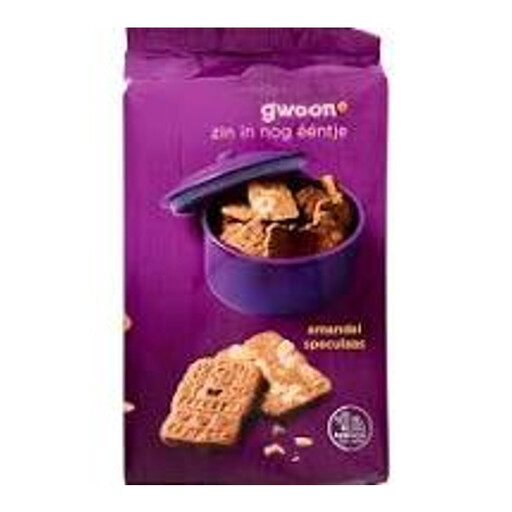
Why it suits this profile: A larger pack for lovers of spiced biscuits with coffee or tea. The combination of speculaas spices and 7% almonds creates a distinctive flavour profile.
The 400g quantity and almond content can be checked easily. Do check the listed allergens before ordering.
400g; 7% almonds; suitable for serving with hot drinks; contains wheat, milk, egg and nuts.
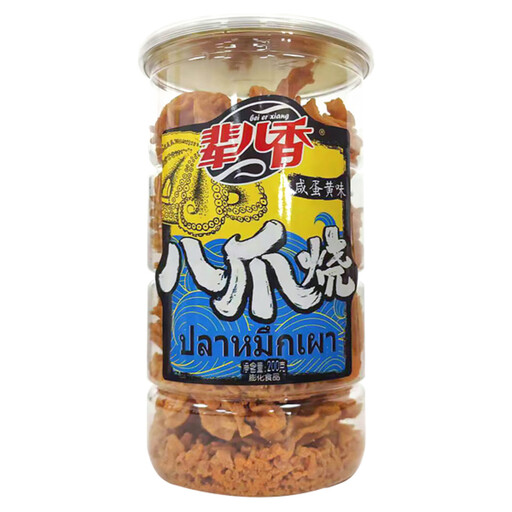
Why it suits this profile: This crispy rice snack has an eye-catching shape and salted egg yolk flavour. Individual bags make it practical to take with you or share out.
The pack contains individually wrapped portions and identifies egg as an allergen. This makes it easier to take both intended use and ingredients into account.
200g; rice as the main ingredient; individually wrapped; salted egg yolk powder and egg listed as an ingredient/allergen.
We’ve put together a complete, up-to-date list of products that fully meet these strict selection criteria and the applicable European safety regulations.
For a traditional Dutch drinks gathering, savoury snacks such as Duyvis Borrelnootjes Poesta, g’woon Mild Cocktail Nuts or Go-Tan Emping Melindjo are ideal for serving in a bowl. When choosing nuts, pay particular attention to peanuts, other nuts, milk, celery and possible traces of allergens.
For a sweet coffee break, Kanjers Original Stroopwafels, Bakker Joop Stroopkoeken, Hellema Smoeltjes Speculaas and Bonne Maman Lemon Tarts are all natural choices. Individually wrapped products are useful when you want to hand out snacks or save some for later.
If you’d like to try Asian snacks, consider BEIERXIANG crackers, Go-Tan Poppadums, Sachima or ChaCha Assorted Nuts. With imported products, take extra care to check the translated product information, allergens and storage instructions.
Compare the weight, number of pieces, ingredients, allergens, nutritional values and shelf life. Also check whether the snack is intended for sharing or packaged in individual portions. The product photo is a useful guide, but the specifications and product description are what you should rely on.
Individually wrapped products are practical. Examples include Sachima with several individual bags, BEIERXIANG crackers in portion packs, NABATI wafers with 12 packs of 27g, and stroopwafels packaged in pairs. Store the snacks according to the instructions on the label and check the packaging when your order arrives.
Store opened snacks in a cool, dry place away from direct sunlight. Reseal the bag or use an airtight container to help retain crispness and product quality. Always check the storage and shelf-life information on the packaging, as this can vary from one product to another.
