
Vandaag of morgen in huis

Kwaliteit gegarandeerd

Welkomstaanbiedingen ontgrendelen: GRATIS bezorging | Tot 80% korting | Gratis 30 dagen JoyPlus-proefperiode
Download de app
If you want to buy snacks online, the selection is extensive: from protein and chocolate bars to biscuits, sweets, mochi and Asian snacks. That is convenient, but product pages do not always highlight the information that matters most for your decision. Eye-catching packaging, terms such as “low sugar” and a high protein figure can create a misleading impression.
As a Joybuy Product Recommendation Officer, I cut through marketing language and focus on verifiable details. This allows you to compare snacks by flavour, nutritional values, allergens, size and occasion.
A snack with less sugar may still contain relatively high levels of fat, calories or sweeteners. A protein bar is not automatically suitable as a meal replacement either. Always check the nutritional value per 100 grams and per serving. Pay particular attention to energy, sugar, protein, fat, fibre and salt.
For example, according to the product information, Grenade Carb Killa Birthday Cake bars contain more than 20 grams of protein and 1.6 grams of sugar per bar. This makes them appealing to people looking to increase their protein intake, but the ingredients list also includes milk, sweeteners and bovine collagen. The bar is therefore not suitable for a vegan or dairy-free diet.
In sugar-free liquorice, such as Klene Sugarfree Salty Ovals, sugar is replaced with sweeteners. According to the product information, this product contains 0 grams of sugar per 100 grams, but it does contain maltitol syrup and steviol glycosides. Excessive consumption of polyols may have a laxative effect for some people. Always read the warning on the packaging and take the recommended quantity into account.
A multipack often appears cost-effective, but check the price per bar, serving or 100 grams. A box of 12 protein bars is practical for travelling or keeping at the office, but less suitable if you want to try a flavour first. With individual chocolate bars, biscuits and mochi, it is also important to compare the net weight.
Compare products on the same basis. A 100-gram chocolate bar cannot be compared directly with a 60-gram protein bar. Look at:
For example, the product information for Holie’s Chewy Bar Cookie Dough lists 21 grams of protein, 3.1 grams of sugar and 23 grams of fibre per 100 grams. The ingredients list includes wheat, oats, spelt, hazelnuts and barley malt, among others. The nutritional values may appear attractive, but the product is therefore unsuitable for people avoiding gluten or certain nuts.
Do not check only the “allergens” heading; read the complete ingredients list as well. Look out for terms such as milk, soya, peanuts, nuts, wheat, gluten, egg and sesame. “May contain” indicates possible cross-contamination and is relevant if you have an allergy.
For gluten-free snacks, clear wording on the packaging is important. According to the product description, the KIND Caramel Almond Nut Bar is offered as gluten-free, but it does state that the product may contain peanuts and other nuts. The Grenade variant lists milk as an ingredient and may contain traces of gluten, peanuts and soya.
For snacks to take on the go, individually wrapped bars are practical. They stay organised in a bag and are not immediately exposed to moisture after opening. Biscuits and sweets in a resealable bag are more convenient for keeping at home or in the office.
When ordering online, pay attention to the storage instructions:
Freeze-dried ice cream is lightweight and, according to the product information, does not need to be refrigerated, but it generally contains high levels of carbohydrates and sugar. KOKORO Freeze Dried Vanilla Ice Cream lists 60.7 grams of sugar per 100 grams. This is relevant information when you are looking for a snack with a lower sugar content.
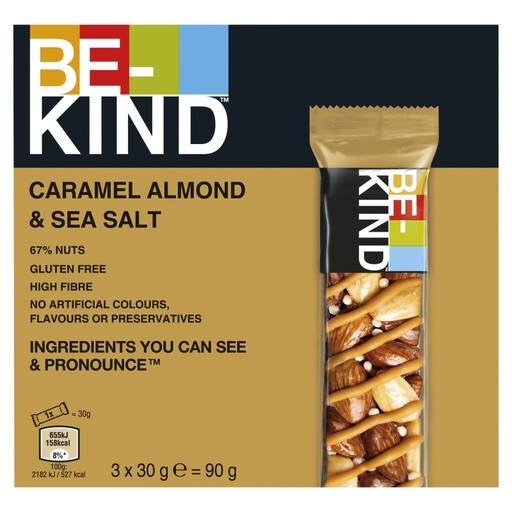
Why This Fits Their Persona: An individual nut bar is an accessible choice for anyone who wants to try different snacks without ordering a large box straight away. Convenient for work, train journeys or a walk.
The product page lists nutritional values, ingredients and allergens. This allows you to assess the bar based on concrete information rather than relying solely on the term “healthy snack”.
90 grams per pack; according to the product information, gluten-free and made with almonds as the main ingredient.

Why This Fits Their Persona: Ideal for anyone seeking a robust cocoa flavour and looking to enjoy a chocolate bar slowly alongside coffee or tea.
The cocoa percentage is clearly stated. Still, check the ingredients and allergens: the product information mentions possible traces of hazelnuts, nuts, milk and soya.
100 grams; 90% cocoa; according to the product information, 7 grams of sugar and 10 grams of protein per 100 grams.
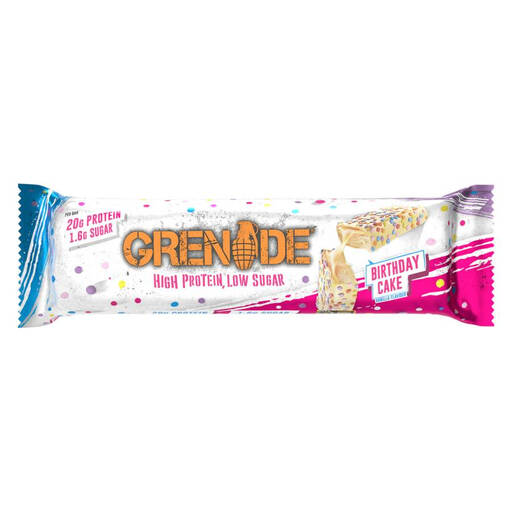
Why This Fits Their Persona: The box of individually wrapped bars is ideal for athletes, commuters and active adults who want to keep several snacks ready for travelling or after a workout.
Alongside the protein claim, the product information also lists milk, collagen and polyols. This makes it easy to see whether the bar suits your diet and tolerance.
12 bars of 60 grams; according to the product information, more than 20 grams of protein and 1.6 grams of sugar per bar.
If you want to try something new, explore Asian snacks such as Royal Family Mochi Mint Chocolate Chip or Koyuki Mochi Ice Cream Black Sesame. Koyuki requires frozen storage, making it less suitable for a long journey without a cool bag.
For a striking treat, KOKORO freeze-dried ice cream is a shelf-stable option. If you prefer a classic snack, compare biscuits with chocolate, cheese or cranberry by weight, sugar content and allergens. For liquorice lovers, sugar-free and traditional varieties are easy to compare side by side.
If you are looking for a dessert that meets specific nutritional preferences, you can also browse the keto quick dessert page. Check the current ingredients and nutritional values for each product; a category label never replaces reading the label.
Browse a current selection of snacks and desserts and compare products by flavour, size, nutritional values and dietary requirements.
Individually wrapped protein bars, high-protein bars, nut bars and chocolate bars are practical to keep in a bag. In warm weather, choose products that do not melt easily and check the storage instructions. Mochi ice cream and other frozen products are less suitable without access to refrigeration.
That depends on your overall diet, goals and dietary requirements. Compare the protein content per bar and check for milk, soya, gluten, collagen and sweeteners. According to information provided by some brands, their bars are intended for use around a workout; treat this as a product claim, not personalised nutritional advice.
Compare the total price, including delivery charges, and check the price per 100 grams or per bar. Also review the pack size, shelf life and any refrigeration requirements. This helps ensure that a large multipack or chilled product does not ultimately prove less practical than a smaller order.
