
Vandaag of morgen in huis

Kwaliteit gegarandeerd

Welkomstaanbiedingen ontgrendelen: GRATIS bezorging | Tot 80% korting | Gratis 30 dagen JoyPlus-proefperiode
Download de app
Buying snacks online might seem straightforward: you pick a few products, pay and wait for delivery. Yet disappointment often comes down to small details. A packet can look bigger than its actual contents, a product may contain allergens you weren’t expecting, and a frozen item needs different delivery and storage care than biscuits.
With this practical checklist, you can compare sweet snacks, savoury snacks, breakfast snacks and international treats based on verifiable information. That way, you’ll make a choice that suits your household, when you plan to eat them and how much storage space you have.
Product photos often show several items, while the price refers to just one packet. So always check the net weight, the number of pieces and whether individual portions are wrapped. A box of chocolate snacks weighing 80g is quite different from a multipack with several separate wrappers.
Terms like “rich”, “artisan” or “premium” are no substitute for the ingredients list. Look at the first ingredients, the presence of milk, egg, soya, gluten, nuts and sesame, and the nutritional values per 100g. With snacks from other countries, the recipe may also be different from what you’re used to.
Biscuits, brownies and sweets are usually best kept cool and dry. Frozen snacks, however, must stay frozen until you’re ready to prepare them. Before ordering frozen items, check you have enough freezer space, and follow the temperature and cooking instructions on the packet after delivery. Don’t use a product if the packaging is damaged.
For snacks on the go, small individually wrapped products are handy. Think of a croissant weighing 85g, a bread snack of 42g or separately wrapped cake. For having with coffee, a larger packet of biscuits or sweets might make more sense.
Look out for these points:
EU rules require clear information about the fourteen main allergens. Always check the actual product packaging, especially with Asian snacks, Japanese snacks, croissants and brownies. Possible things to watch for include wheat, milk, egg, soya, nuts, peanuts and sesame.
A warning like “may contain traces” means cross-contamination during production is possible. If you’re unsure, it’s better not to order the product. Product information online is useful for an initial selection, but the label on the packaging remains the final word.
Not every product is ready to eat in the same way:
Also pay attention to the nutritional values per 100g. These make it easier to compare products with each other, without packet sizes giving the impression that a product is automatically a suitable everyday choice.
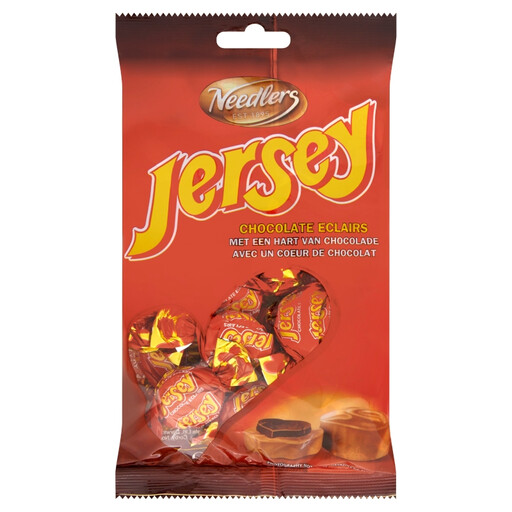
Why this fits the profile: A compact sweet snack for having with coffee or for sharing. The packet contains 150g and the product information describes a milk chocolate filling.
The net weight is clearly stated. Do check the allergens before buying: milk, soya and nuts are listed in the product information.
150 g packet; suitable for a sweet snack moment; according to the product information, at least 30% cocoa solids in the milk chocolate.

Why this fits the profile: Handy for a breakfast or a snack moment with several people. The packet contains four croissants with a total weight of 180g.
The number of pieces and the total weight are easy to check. The ingredients list states 25% butter; allergen information includes gluten and milk among others.
Four pieces per packet; 25% butter according to the product description; can be used as a breakfast snack or a bite between meals.
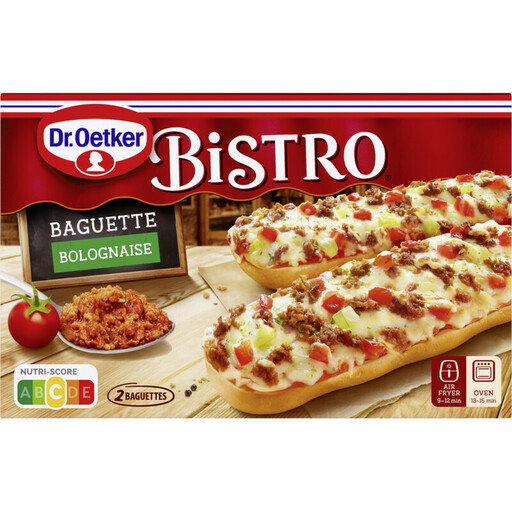
Why this fits the profile: For anyone who wants to prepare a warm savoury snack or a quick small meal from the freezer. The packet contains two individually wrapped baguettes.
The preparation information is specific: according to the product description, 14–16 minutes in a preheated oven. Keep the product frozen and do not refreeze after thawing.
Two individually wrapped baguettes; 250 g total weight; according to the label, contains beef, tomato and Edam cheese among other ingredients.
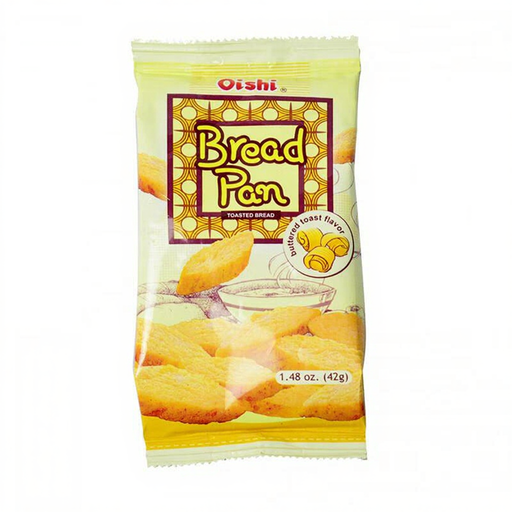
Why this fits the profile: The 42g size is practical for a bag, lunchbox or a short break. The product description mentions toasted bread with a butter flavour.
The small net weight makes the portion size clear. Check the listed allergens before buying: wheat, milk and soya.
42 g packet; ready to eat; according to the product information, suitable for on the go or with coffee and tea.
We’ve put together a full, up-to-date list of products that fully meet these strict selection criteria and comply with current European safety regulations.
Choose a small net weight, sturdy packaging and preferably an individually wrapped product. Bread snacks, biscuits, sweets and some Japanese snacks are practical because they can usually be eaten without any preparation. Do check whether the product needs to be kept cool or dry.
The shelf life varies by product. Always check the date and storage instructions on the packaging. Ambient products generally stay usable for longer if you keep them sealed, dry and out of direct sunlight. After opening, quality can decline more quickly. Store frozen snacks at the stated temperature and prepare them within the recommended period after thawing.
Yes, as long as you check the product information and packaging. Pay particular attention to allergens, country of origin, storage method and preparation instructions. If the information is contradictory, the label on the packaging is the final authority. That way, you’ll avoid surprises with Asian snacks, chocolate snacks, brownies and other international products.
