
Vandaag of morgen in huis

Kwaliteit gegarandeerd

Welkomstaanbiedingen ontgrendelen: GRATIS bezorging | Tot 80% korting | Gratis 30 dagen JoyPlus-proefperiode
Download de app
Buying snacks online is convenient, but a large range doesn’t always make choosing any easier. A product photo can make a packet look bigger than it really is. Terms like “no added sugars”, “healthy alternative” or “high protein” don’t tell the full story either. If you only look at the front of the packet, you could end up ordering something that doesn’t suit your taste, allergies or the occasion you had in mind.
With these practical checks, you can compare sweet snacks, savoury snacks, Asian snacks and snacks for on the go in a straightforward way.
A bag or box can look generous, while the contents are only a few small portions. Always check:
An individually wrapped cereal bar might be handy for the office or on the go, but a multipack isn’t automatically better value. Divide the price by the number of portions to compare products fairly.
“No added sugars” doesn’t mean a product is sugar-free. Some products contain naturally occurring sugars or sweeteners. For example, Hero B'Tween Zero uses maltitol. The product information also states that excessive consumption may have a laxative effect.
“Healthy snacks” isn’t a fixed product category either. Dried fruit, for instance, can contain a lot of sugar per 100g. The product information for Philippine Brand Dried Mango lists mango, sugar and sulphite. So always check the ingredients list and allergen information rather than relying solely on a front-of-pack claim.
Asian snacks can contain ingredients you might not expect, such as fish, shellfish, soya, sesame, peanuts or wheat. Bento Mixed Seafood Snack Larb lists squid, fish, wheat, gluten, soya, peanuts and crab among its ingredients. If you’re unsure, it’s wise to check the full product packaging before you order or serve.
For home use, larger packs are often practical. For a school bag, train journey or desk drawer, small individually wrapped portions are more convenient. With cereal bars, nut bars and sweets, pay attention to the difference between total weight and edible portions.
Examples:
If you’re looking for vegan snacks, you need to read the ingredients list and allergen declaration. Mentos Discovery is described in the product description as suitable for vegans, but the same information lists milk as an allergen. So always check the current packaging if you have an allergy or follow a strict diet.
Also look out for:
For example, Amos Peelerz Banana contains beef gelatine and is therefore not suitable for anyone looking for vegan sweets.
Sweet snacks like sweets, fruit biscuits and dried mango work well as a treat or dessert. Savoury snacks, seaweed snacks and seafood snacks are better suited to a drinks occasion or for fans of umami and spicy flavours. For on the go, small resealable or individually wrapped portions are more practical.
With international products, the flavour can sometimes be more pronounced than with familiar British snacks. Bento uses chilli, fish sauce and spices. Kimnori combines roasted seaweed with teriyaki and sesame oil. So don’t just look at the product name – also read the flavour description and ingredients.
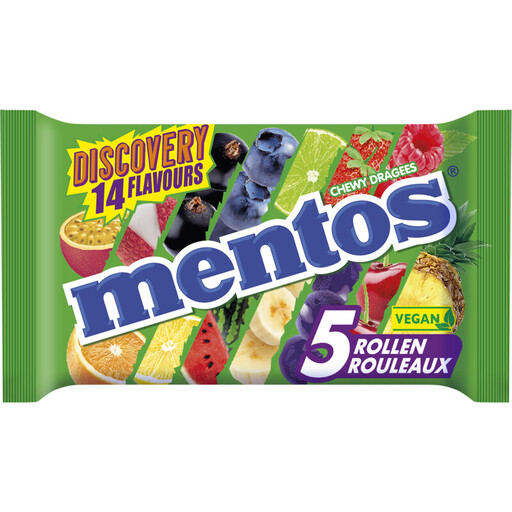
Why this fits the profile: Five rolls and fourteen fruit flavours offer variety for home, work or on the go without having to order several separate products.
The total weight and number of rolls are clearly stated. This makes the quantity easier to judge than with an opaque bag.
14 named fruit flavours, roll packaging and, according to the product description, suitable for vegans. The allergen information lists milk.
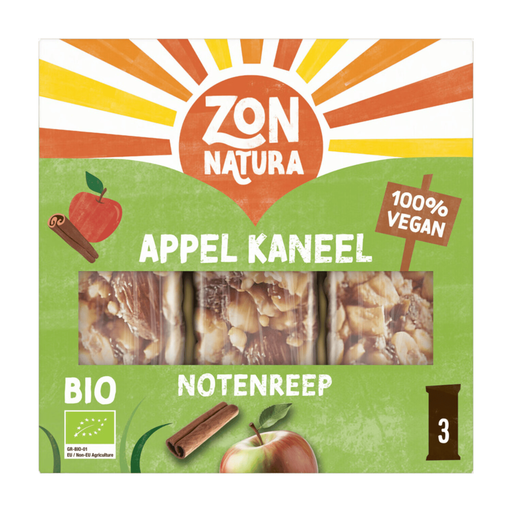
Why this fits the profile: This organic nut bar combines peanuts, almonds, apple and cinnamon in three 25g portions.
The portion packaging stops you from relying only on the size of the outer pack. Allergens and possible traces are listed.
Organic, 45% peanuts, 16% almonds and 6% apple according to the ingredients list. Contains nuts, peanuts and may contain sesame.
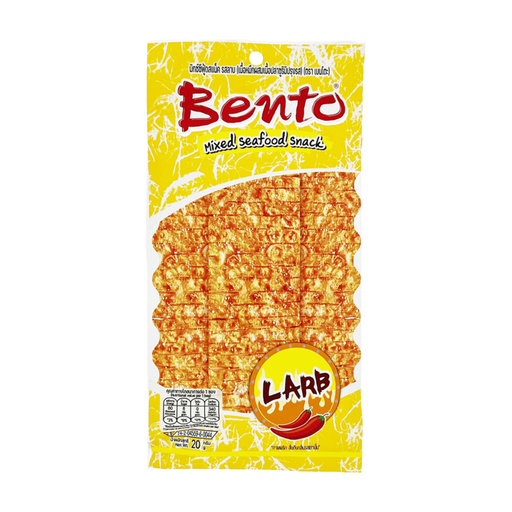
Why this fits the profile: For fans of spicy Thai snacks and savoury seafood snacks, this is a small portion with a bold flavour.
The 20g pack makes the portion clear. The extensive allergen list helps avoid surprises with international snacks.
According to the product information, contains 40% squid and 30% surimi. The flavour is spicy and savoury; contains fish, soya, peanuts, crab and gluten among others.
We’ve put together a full, up-to-date list of products that fully meet these strict selection criteria and comply with current European safety regulations.
With Japanese snacks like Hello Panda Biscuits with Strawberry Flavoured Filling, you get a small biscuit with a strawberry filling. The product information lists wheat, milk and soya, and may also contain egg, peanuts and nuts. That makes this product an appealing treat, but less suitable if you need to avoid certain allergens.
For a light, savoury option, you could look at seaweed snacks. Kimnori Seasoned Seaweed Teriyaki comes in three 4g sachets and can be eaten straight away or used with rice and noodles. The nutritional information per 100g states 3.2g of salt, but the portion is small. So always compare per portion and per 100g.
Choose individually wrapped products with a clear net weight where possible. Cereal bars, nut bars, Mentos rolls, dried mango and small sachets of seaweed or seafood snacks are easy to take with you. In warm weather, do check the storage advice, especially for products containing chocolate.
Work out the price per 100g or per portion. Also look at the number of pieces and the best-before date. A multipack can seem good value, but it’s less appealing if you haven’t tried the flavour before or if the product has a short shelf life.
Always follow the instructions on the pack. In general, dry snacks keep their quality best when stored in a cool, dry place and kept sealed. Seaweed, biscuits and dried fruit can become soft after opening. Don’t use a product if the packaging is damaged or if the smell, colour or texture is noticeably different.
