
Vandaag of morgen in huis

Kwaliteit gegarandeerd

Welkomstaanbiedingen ontgrendelen: GRATIS bezorging | Tot 80% korting | Gratis 30 dagen JoyPlus-proefperiode
Download de app
Choosing a smartwatch can feel like navigating a maze of specifications, brands, and models. Are you primarily looking to track your fitness performance, or do you want an extension of your smartphone on your wrist? Some users want a battery that lasts for weeks, while others prioritise the latest health features.
This article is designed to provide clarity. As a Joybuy Product Recommendation Officer, I filter the information and present the facts. Here, you'll find practical buying tips and a selection of popular models based on their specifications, helping you make an informed choice that fits your lifestyle.
Before you make a decision, it's helpful to consider a few key points. These will determine which type of watch best suits your daily use.
A smartwatch works in close partnership with your phone. Therefore, the most important rule is to check for compatibility. An Apple Watch is designed to function seamlessly with an iPhone (iOS). While some features may have limited functionality with other systems, you'll get the most out of it within the Apple ecosystem. Watches from brands like Samsung or Garmin are typically optimised for Android but often offer support for iOS as well. Always check which operating system (iOS or Android) your phone uses and whether your chosen smartwatch can connect to it.
What exactly do you want to measure? For tracking daily steps, calories burned, and sleep, a simple activity tracker or fitness tracker is often sufficient. If you're a dedicated athlete, a sports watch with more advanced features is a better choice. Consider the following:
Nobody wants to charge their watch every day. Battery life varies enormously: from around 24 hours for feature-rich smartwatches with bright screens, to several weeks for more basic activity trackers. Consider how often you're willing to charge your device.
Additionally, water resistance is an important factor. A water-resistant smartwatch is often indicated with an ATM rating. A rating of 5 ATM, for example, means the watch is suitable for swimming in a pool or open water. For diving or high-speed water sports, you'll need a higher rating.
Based on the criteria above, we have highlighted a few popular models. This selection provides an overview of different types for various users.
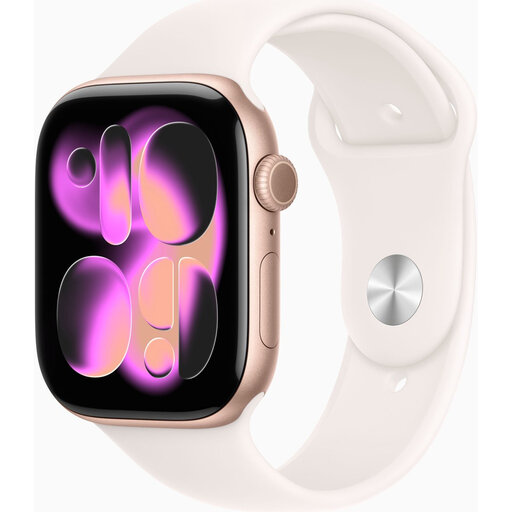
Why this model stands out This model combines a stylish design with a comprehensive suite of health and connectivity features. Its seamless integration with the Apple ecosystem makes it a logical choice for iPhone users.
Specifications
Who is this watch for? This is an excellent all-rounder for the iPhone user seeking an extension of their phone. It's ideal for tracking daily activities, receiving notifications, and monitoring your overall health, all packaged in an elegant design.
View the Apple Watch Series 11 GPS 42mm
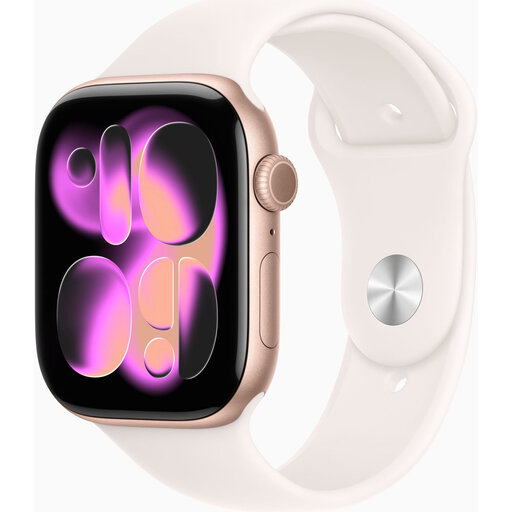
Why this model stands out The addition of Cellular (4G/5G via eSIM) gives you the freedom to leave your phone at home. You can make calls, send messages, and stream music directly from your wrist. The larger 46mm screen also offers a better overview.
Specifications
Who is this watch for? Perfect for the serious athlete or the busy professional who desires maximum connectivity and independence. Go for a run without your phone, yet remain reachable for an important call.
View the Apple Watch Series 11 GPS + Cellular 46mm
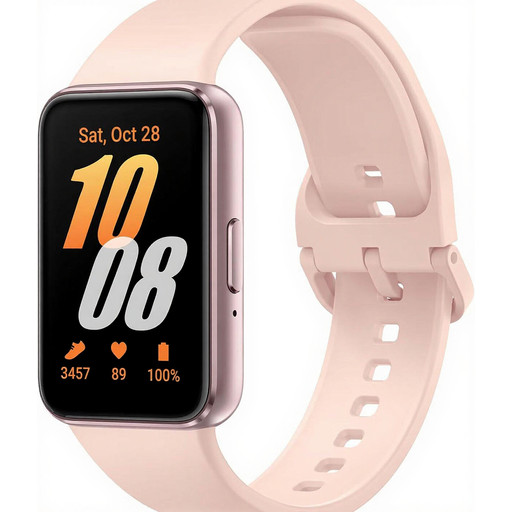
Why this model stands out The Galaxy Fit3 focuses on the essentials of a fitness tracker and excels with an impressive battery life. According to Samsung, the battery lasts up to 13 days on a single charge.
Specifications
Who is this watch for? For anyone looking for a reliable and no-nonsense tracker without the complexity of a full smartwatch. If your priority is tracking fitness, sleep, and daily activity, and you don't want to charge it every night, this is a very practical choice.
These are some popular choices, but the range of options is, of course, much larger. Everyone has different preferences regarding style, budget, or specific features. Curious about other models?
Discover our full range of smartwatches and activity trackers
1. What is the difference between a smartwatch and a fitness tracker? A fitness tracker (or activity tracker) is primarily focused on measuring health and fitness data, such as steps, heart rate, and sleep. They often have a longer battery life. A smartwatch is a more versatile device. In addition to fitness features, it also offers app integrations, notifications from your phone, the ability to make calls, and contactless payments.
2. Can I make contactless payments with a smartwatch? Yes, many modern smartwatches are equipped with an NFC chip (Near Field Communication). This allows you to make contactless payments in stores via services like Apple Pay or Google Pay, just as you would with your debit card or smartphone. Always check the model's specifications to see if this feature is supported.
3. How important is the water resistance of a smartwatch? That depends entirely on your usage. If you only wear the watch during office work and walks, basic (splash-proof) protection is sufficient. If you want to be able to shower with it, wash your hands without worry, or go swimming, a water-resistant smartwatch with a rating of at least 5 ATM is recommended. This ensures the watch can withstand the pressure underwater.
