
Vandaag of morgen in huis

Kwaliteit gegarandeerd

Welkomstaanbiedingen ontgrendelen: GRATIS bezorging | Tot 80% korting | Gratis 30 dagen JoyPlus-proefperiode
Download de app
A jar of Sichuan chilli oil can give a simple bowl of noodles, rice or dumplings so much more aroma. Yet many varieties look similar while differing greatly in composition, texture, salt content and heat. A smooth red oil, for example, is quite different from chilli crisp with peanuts and crunchy bits.
If you only look at a flashy label or words like “authentic”, you could end up choosing a product that doesn’t suit your intended use. With these practical selection points, you can compare Chinese chilli oil, Sichuan red oil and spicy toppings based on verifiable information.
The name indicates a style or flavour direction, but not always a fixed strength. So check the ingredients and usage advice. Some products contain Sichuan pepper for a characteristic málà effect, while others are mainly oil and chilli powder.
Also look out for words like “mild” or “hot”. These aren’t universal measurements. When trying a new product, start with a small amount and adjust the flavour with, for example, soy sauce, black rice vinegar or stock.
With chilli garlic oil, chilli crisp and varieties containing peanuts or beans, the solid parts often sink to the bottom. That’s not necessarily a problem, but it does affect the ratio of oil to topping. Stir or shake the product according to the packaging before you use it.
A smooth Sichuan red oil is usually handy as a dressing or cooking base. A crunchy chilli oil, on the other hand, works well as a spicy topping for noodles, rice or dumplings.
Many Chinese chilli sauces contain peanuts, soya, sesame or wheat. If you have an allergy, always check the label and the actual product packaging. The salt content also varies considerably. In the available product information, for example, this ranges from virtually no salt in some simple oil varieties to higher levels in blended sauces.
First, look at the base:
For a dressing on cold dishes, an aromatic red oil often works well. For a bowl of ramen, fried rice or a sandwich, chilli crisp with bits can give more bite.
Chilli oil is largely made up of fat, so the energy value per 100g can be high. That’s normal product information and no reason not to use it. However, a small amount is often enough as a flavour enhancer. Also pay attention to the salt content when you combine the oil with soy sauce, stock or other salty ingredients.
Compare the net weight or volume with how often you use the oil. A jar of around 200 to 300g is usually suitable for household use; a bulk pack is more interesting for heavy users, restaurants or anyone who regularly cooks Chinese dishes.
Store unopened products in a cool, dry place away from direct sunlight. Refrigeration may be recommended or required after opening, depending on the product. So always follow the instructions on the packaging. Also check the best-before date and use a clean spoon to limit contamination.
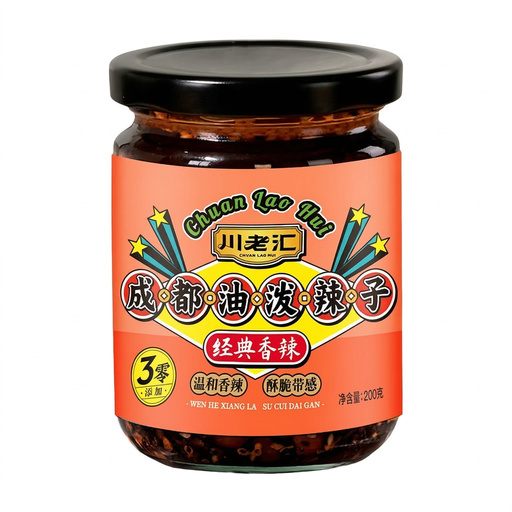
Why this fits the profile: The 200g pack is manageable for anyone wanting to try Sichuan chilli oil for the first time with noodles, dumplings or cold dishes. According to the product description, the oil contains chilli, Sichuan pepper, garlic and ginger.
The ingredients list and allergen information are provided. The product is described as a ready-to-use flavour enhancer, so you don’t have to guess how to use it.
200g; rapeseed oil base; suitable for cold dishes, dips and stir-fries; allergens: sesame and peanuts.
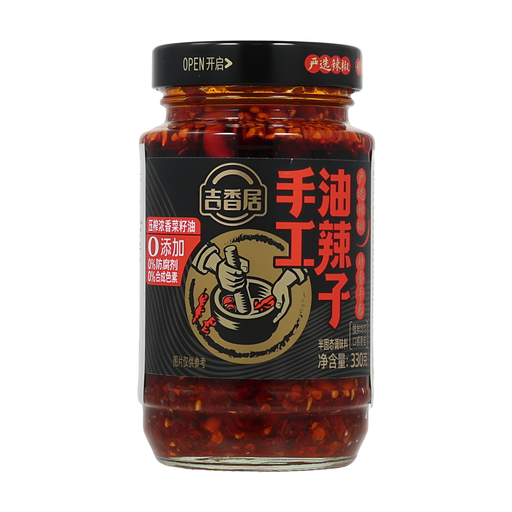
Why this fits the profile: According to the product information, this variety contains 25% chilli flakes, plus sesame, peanuts, soy sauce and spices such as Sichuan pepper. That suits lovers of a full, chunky topping.
The stated percentages make the amount of chilli flakes verifiable. The allergens are clearly listed, which is important with a blended chilli garlic oil or topping.
330g; 25% chilli flakes; suitable for noodles, rice, dumplings and stir-fries; stir before use.
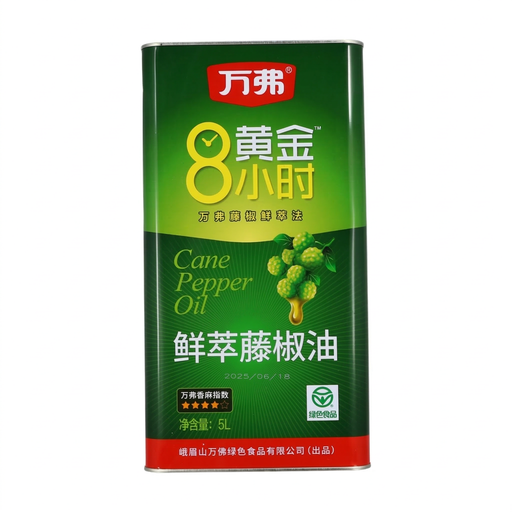
Why this fits the profile: The 5-litre pack is aimed at restaurants, professional kitchens and very frequent use. This is rattan pepper oil, not a classic chilli crisp, but it can be used as an aromatic finishing oil in Sichuan dishes.
The large size makes the application clear: this is intended for intensive use, not for an occasional topping. The packaging also states that natural sedimentation may occur.
5 litres; base of refined rapeseed oil and rattan pepper; suitable for cold dishes, dips, noodles and as a finishing touch after cooking.
We’ve put together a full, up-to-date list of products that fully meet these strict selection criteria and comply with current European safety regulations.
No. Sichuan chilli oil is usually oil with chilli, spices and sometimes Sichuan pepper. Chinese chilli sauce or chilli crisp can also contain beans, peanuts, garlic, sugar or other solid ingredients. As a result, the flavour and texture are different.
Follow the instructions on the label. Some varieties need to be refrigerated after opening, while others can be stored in a cool, dry place. Seal the packaging tightly and use a clean spoon. If in doubt, check the current product information.
Start with about half to one teaspoon per serving and gradually add more. With a concentrated mala spice oil or chilli crisp, the aroma, salt and heat can quickly build up. This way you can tailor the flavour to the dish and your own preference.
