
Vandaag of morgen in huis

Kwaliteit gegarandeerd

Welkomstaanbiedingen ontgrendelen: GRATIS bezorging | Tot 80% korting | Gratis 30 dagen JoyPlus-proefperiode
Download de app
When you want to buy shoes online, you’ll often see hundreds of styles described with terms such as “lightweight”, “breathable” and “extra cushioning”. These words only mean something if you know which materials, fit and sole they refer to. A low price can be tempting, but the wrong size, insufficient grip or an uncomfortable fit can quickly make a purchase impractical.
This guide will help you compare your options. Whether you’re looking for running shoes, trail running shoes, comfortable everyday shoes or children’s trainers, start by considering how you’ll use them, then think about the look.
A lightweight shoe feels good to walk in, but its low weight says nothing about its grip or stability. A flat rubber sole may be enough for tarmac. For woodland paths, mud or loose stones, you’ll need a tread designed for those conditions.
So check:
A shoe may be described as breathable even if its upper lets very little air through. Mesh, woven textile and ventilation panels generally allow more airflow than fully enclosed synthetic material. On the other hand, a very open upper may offer less protection from rain and dirt.
Check the lining, too. A shoe without a lining may allow more airflow, but it won’t feel as comfortable for everyone. Read the material details and look at the product photos before you order.
Size 42 isn’t exactly the same across every brand or style. The shape of the last, the shoe width and the amount of room around the toes all affect comfort. Measure both feet at the end of the day and compare the longer foot with the size guide.
For children, “buying room to grow” doesn’t mean choosing shoes that are far too big. Too much extra room can make walking less stable. Check the stated fit, width and fastening, such as laces, elastic laces or Velcro trainers.
For warm days, everyday wear and sport, breathable sports shoes with mesh are a practical choice. For running, a combination of mesh and woven material can offer a good balance between airflow and durability. For trail running, reinforcement around the toe and sides is useful when you’re running past branches and stones.
Many sports shoes use EVA foam in the midsole. This material can help absorb impact and give the sole a responsive feel. The amount of cushioning is a personal choice: a soft sole feels comfortable when walking, while some runners prefer to feel more connected to the ground.
Bear in mind that “lots of cushioning” doesn’t guarantee a better running experience. Consider the thickness, material and intended use. Cushioned shoes are often comfortable for everyday walking; on technical terrain, balance and grip are just as important.
A rubber outsole with tread is suitable for everyday use and varied surfaces. For trail running shoes, the shape of the lugs matters more. Deep or clearly defined tread can provide more grip on mud and loose ground, while a less aggressive tread can feel more comfortable on tarmac.
Also check the product details for specific features. For example, PELLIOT models are described as using ROCKYTEC rubber; Vibram Megagrip is only mentioned for certain versions in the product description. Always check the version you’ve selected rather than assuming every colour or size has the same sole.
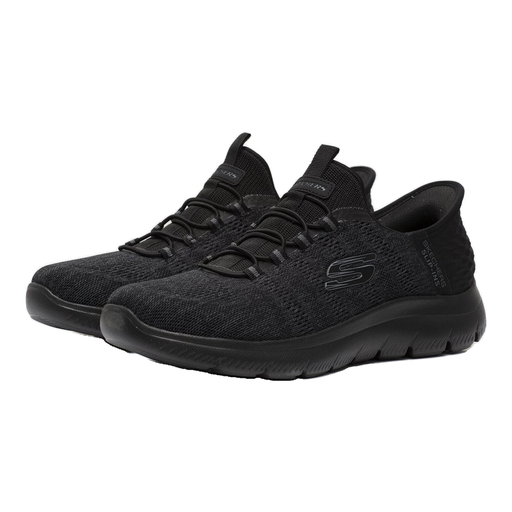
Why it suits this profile: A practical choice for adults looking for an everyday trainer with an easy fastening. The slip-on design is well suited to commuting, shopping and walking around town.
The product details specify a regular fit, a round toe and a treaded rubber sole. This makes it easier to assess the fit and grip than if you were relying on “comfort” alone.
Textile upper, Air-Cooled Memory Foam footbed according to the product description, and rubber outsole. Size 44 is listed as a regular fit.
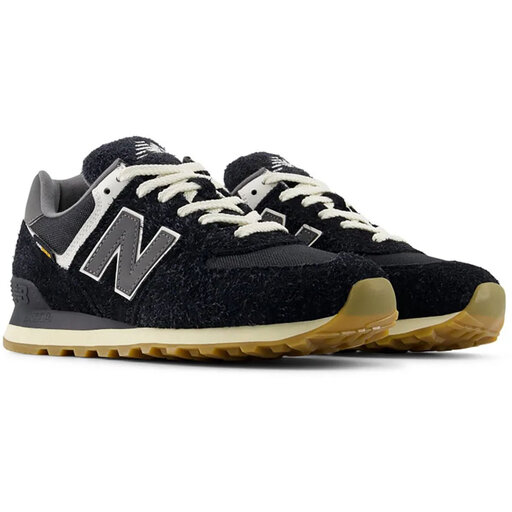
Why it suits this profile: Ideal if you’re looking for a classic trainer to wear with casual outfits and for everyday use. This style is a good match for shoppers seeking New Balance 574 trainers with a mix of textile and suede.
The materials are clearly specified: suede and breathable mesh in the upper, a supportive midsole and rubber underneath. Do check that suede suits your care routine.
Suede and mesh, a rubber outsole and a retro profile. This combination is designed for everyday wear and sporty casual outfits.

Why it suits this profile: Designed for runners looking for a lightweight shoe for a mix of urban roads and off-road terrain. This style is worth considering if you’re comparing trail running shoes with a breathable upper and good grip.
Rather than simply calling it “lightweight”, the product details describe the mesh and woven upper, EVA midsole and ROCKYTEC rubber. This lets you assess ventilation, cushioning and grip separately.
Sandwich mesh and woven textile, EVA foam and a rubber outsole with a tread designed for varied terrain. Standard and narrow versions are listed; check the version you’ve selected.
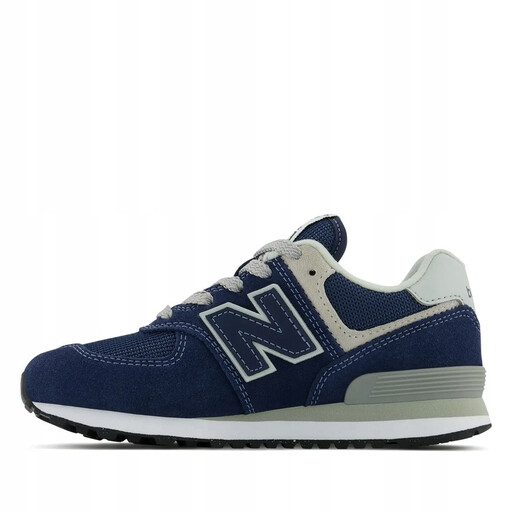
Why it suits this profile: A practical option for school, play and everyday wear. The elastic fastening and Velcro strap make these children’s trainers easy to put on.
The size, fastening, materials and sole are all listed separately. That means you can look beyond the colour or brand and check whether the shoe is suited to everyday use.
Suede, synthetic material and textile mesh, an EVA midsole, rubber treaded outsole and Velcro fastening. The product details state that the statutory EU warranty is at least two years.
We’ve put together a complete, up-to-date list of products that meet these strict selection criteria and the applicable European safety regulations.
Measure both feet while wearing the socks you’d normally wear. Use the measurement for the longer foot and compare it with the size guide for that specific style. Also check the stated fit, such as regular, narrow or wide. If you’re unsure, the returns policy is important.
Their lifespan depends on how often you run, your body weight, the surface, how well you care for them and how much the tread has worn. Check regularly for a smooth outsole, tears in the upper or a midsole that’s losing its shape. There’s no fixed mileage limit that applies to every style.
They can be, as long as the sole, fit and grip suit your route. A style designed for tarmac isn’t automatically suitable for muddy paths. If you run on both types of surface, consider a hybrid road-to-trail style and compare the product details carefully.
