
Vandaag of morgen in huis

Kwaliteit gegarandeerd

Welkomstaanbiedingen ontgrendelen: GRATIS bezorging | Tot 80% korting | Gratis 30 dagen JoyPlus-proefperiode
Download de app
Buying shoes online seems simple: choose a brand, select your size and place your order. In practice, differences in fit, materials and intended use can leave you disappointed with your purchase. This applies to online trainers, women’s shoes, men’s shoes and children’s shoes.
Use this checklist to compare models based on specific features, rather than just photos or well-known brand names.
Brands may use different lasts and sizing recommendations. A regular fit in one model can feel wider or narrower in another. Always check:
A model described as a regular fit in the product information won’t necessarily suit every foot.
Marketing copy often uses words such as comfortable, lightweight or supportive without explaining why. Look for details you can check:
For example, a leather trainer may respond differently to rain and need different care from a textile model. A flat casual shoe isn’t automatically suitable for long runs either.
Puma Speedcat, Vans trainers and New Balance trainers often work well with a casual outfit, but that doesn’t automatically make them suitable for running. When choosing sports shoes or running shoes, it’s more important to check the stated running surface, sole construction and intended use.
For example, the product description for a Salomon model may mention running on tarmac, while a lifestyle model is described as being mainly for everyday wear.
If possible, measure your feet at the end of the day, wearing the socks you’d normally use. Compare the measurement with the size chart for the specific model. Also look at the difference between:
Children’s shoes need extra care. A child’s feet grow, but shoes that are too large can feel unstable when walking and playing. So don’t automatically go up several sizes.
The upper has a big impact on how a shoe feels and how it needs to be cared for.
Don’t put shoes in the washing machine without checking first. This can damage models with decorative details, special insoles or built-in lights.
The sole should suit the surface and activity:
Also check whether the insole is removable. Some children’s shoes and trainers don’t have removable insoles, which may matter if you want to use a different insole.
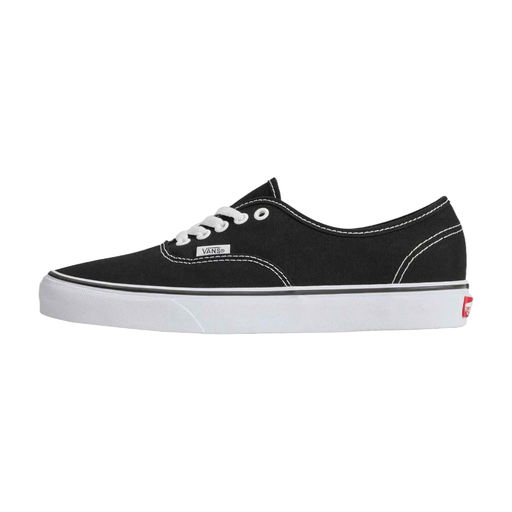
Why it suits this wearer: A simple style for everyday wear, work, walking or a casual outfit. The black colour is easy to pair with other clothes.
The product information clearly states that it has a textile upper and lining, and a rubber outsole. So don’t expect a leather trainer or a running shoe.
Textile upper and lining; rubber sole; low-top design for versatile everyday wear.
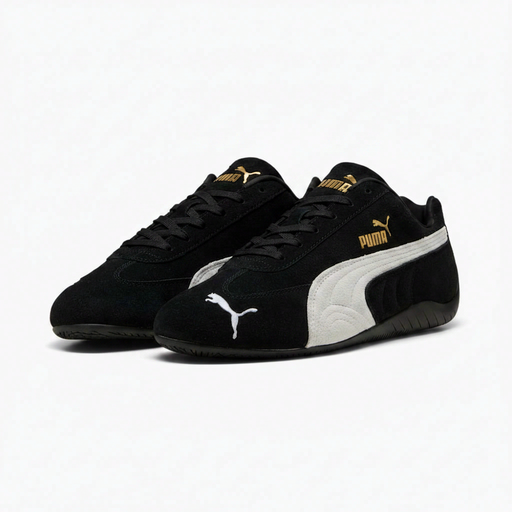
Why it suits this wearer: For anyone who values leather, a low-profile silhouette and a distinctive style for everyday wear.
The sizing is described as “true to size” and the shoe has a regular fit. The product details also make it clear that the upper is leather.
Leather upper; IMEVA midsole according to the product information; rubber outsole and lace-up fastening.
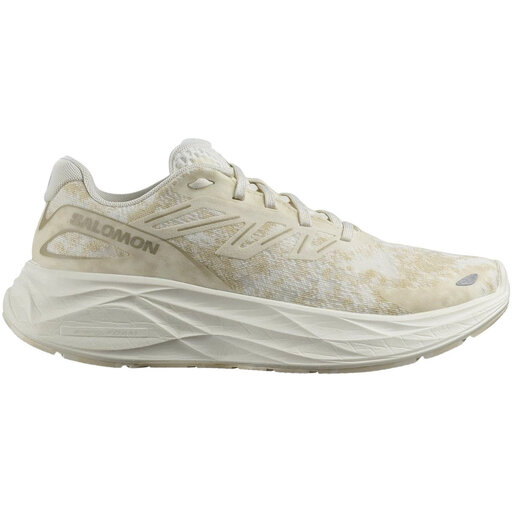
Why it suits this wearer: Designed for running on hard surfaces, such as tarmac and urban routes.
The stated use is more specific than simply “sporty”: the description mentions running on hard surfaces. This makes it easier to compare with casual shoes.
Synthetic and textile upper; rubber sole; lace-up fastening; product information mentions grip and cushioning for urban routes.
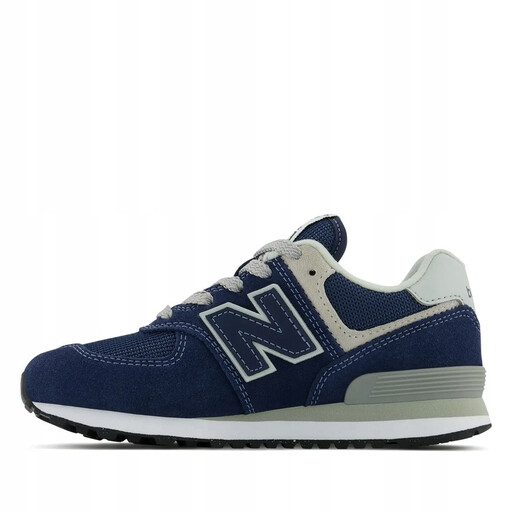
Why it suits this wearer: A practical choice for school, play and everyday wear, thanks to the hook-and-loop fastening.
The product details list the materials, fastening and size 28.5. Always check your child’s foot length, and don’t let extra growing room be the only factor guiding your choice.
Suede, synthetic material and mesh; EVA midsole; rubber tread sole; hook-and-loop fastening.
We’ve put together a complete, up-to-date list of products that meet these strict selection criteria and comply with current European safety regulations.
Measure both feet on a sheet of paper and use the longer measurement. Compare it with the size chart for the specific model. Also check the fit and shoe width. If the sizing advice says “runs large”, a smaller size may be recommended, but always check the product page.
It depends on how often you wear them, the surface, the material and how well you care for them. A pair worn for the daily commute will wear differently from sports shoes used for several training sessions a week. Replace your shoes when the soles look noticeably smooth or unevenly worn, the upper starts to come away, or the fit no longer feels stable.
Check the seller’s returns policy before you buy. Try shoes on indoors and keep the original packaging and labels intact. This helps you keep the product in good condition if returns are allowed under the terms.
