
Vandaag of morgen in huis

Kwaliteit gegarandeerd

Welkomstaanbiedingen ontgrendelen: GRATIS bezorging | Tot 80% korting | Gratis 30 dagen JoyPlus-proefperiode
Download de app
When you want to buy shampoo online, you quickly come across terms such as “repairing”, “professional” and “anti-hair-loss”. These descriptions do not always tell you what makes a product suitable in practice. The right choice mainly depends on your scalp, hair length, washing frequency and the ingredients list.
A shampoo may, according to the product description, help with oily hair, dandruff or damaged lengths. That is not a guarantee for every individual. Caution is particularly important with an anti-hair-loss shampoo: shampoo is rinsed out and is not a treatment for medical causes of hair loss.
Use claims as selection information, not as a promise. Also check whether a claim comes from the brand itself. For example, Head & Shoulders’ product information states that, according to the brand’s own research, its anti-dandruff action can support results of up to 100% dandruff-free hair with regular use. This does not mean that every user is guaranteed to achieve this result.
A sulphate-free shampoo can be a pleasant choice for coloured, dry or sensitive hair, but sulphates are not automatically unsuitable. They generally cleanse thoroughly, which can be useful for an oily scalp. Look at the formula as a whole, including fragrance, silicones, proteins, acids and conditioning ingredients.
If you have a sensitive scalp, it is wise to try a small amount first and stop using the product if you experience stinging, itching or redness.
A 1000 ml shampoo may seem good value, but it is mainly practical if several people use the same formula, or if you are supplying a salon or household. A large pack takes up more space and is less convenient if you are still looking for the right formula. Therefore, compare the price per 100 ml and consider how often you wash your hair.
Ingredients are usually listed in descending order of quantity. Sodium laureth sulphate, sodium lauryl sulphate and various glucosides are examples of cleansing ingredients. Milder options include cocamidopropyl betaine, glutamates and isethionates.
Also look out for:
A daily shampoo should suit your washing routine. If you wash your hair every day, it is better not to automatically choose the most deeply cleansing formula. If you only wash a few times a week or use a lot of styling products, you may need a more thorough clean.
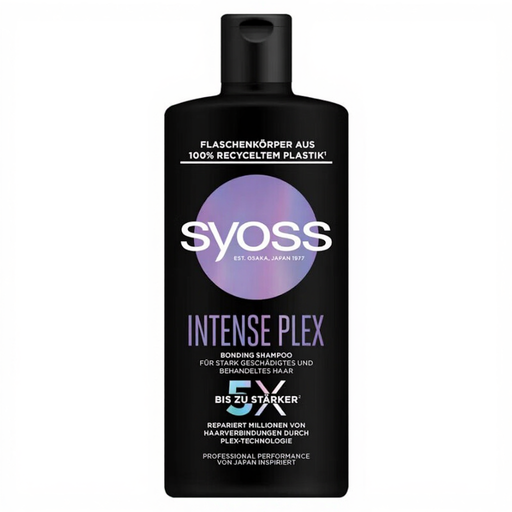
Why it suits this profile: With a 440 ml size and a description for all hair types, this is a practical choice for anyone looking for an everyday shampoo without a specific scalp focus.
The product information does not claim any specific action against hair loss or dandruff. This means you can base your choice on how you intend to use it and on its formula, rather than on broad problem-related claims.
440 ml size; suitable for all hair types according to the product details; contains hydrolysed keratin and conditioning ingredients.
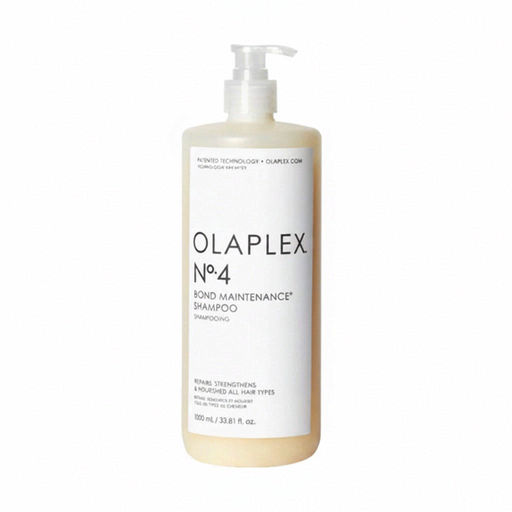
Why it suits this profile: This large pack is suitable for people with coloured, treated or regularly styled hair who are looking for a sulphate-free formula.
The product details explicitly state that the shampoo is sulphate-free and suitable for coloured hair. However, check that these features suit your own hair and washing routine.
1000 ml size; sulphate-free formula according to the product description; contains glycerine, panthenol and a bond-building ingredient, among others.
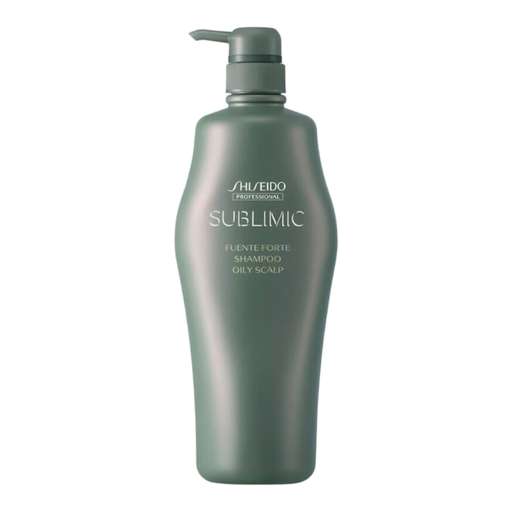
Why it suits this profile: The variant for oily scalps is aimed at users looking for a fresh cleanse and needing a large-size pack.
The variant is clearly linked to oily scalps and states that it removes excess oil. Choose the dry-scalp variant if your scalp feels tight instead.
1000 ml size; designed for an oily or fragrant scalp according to the product details; usage instructions state that it should be massaged in for three minutes.
We have put together a complete, up-to-date list of products that fully meet these strict selection criteria and the applicable European safety regulations.
Wet your hair thoroughly and use a modest amount. Focus the shampoo mainly on your scalp; the lengths are usually cleansed sufficiently as the lather is rinsed out. Massage gently with your fingertips and rinse thoroughly. Leave-in contact time is only advisable when explicitly stated on the packaging.
If your hair is dry or damaged, you may wish to use conditioner on the lengths. With an oily scalp, washing every other day or daily may be suitable, depending on sebum production and styling. When comparing a professional shampoo, also check the recommended amount: a salon formula in a 1000 or 1500 ml pack may work out cheaper per wash, but only if the formula suits several users.
Look for a formula that removes excess sebum without irritating the scalp. Ingredients such as salicylic acid, PHA or menthol are found in some scalp care shampoos. Wash with lukewarm water and apply conditioner mainly to the lengths.
Follow the expiry information on the packaging. Some products display a period-after-opening symbol, such as 6M or 12M. Keep shampoo closed, dry and out of direct sunlight. A large bottle is not automatically better value if it takes you a long time to finish it.
“For all hair types” generally means that the brand does not specify any particular limitations. It does not mean that the formula will feel equally comfortable on every scalp. Check the cleansing agents, fragrance and conditioning ingredients, and if you have a specific concern, choose a formula tailored to it instead.
