
Vandaag of morgen in huis

Kwaliteit gegarandeerd

Welkomstaanbiedingen ontgrendelen: GRATIS bezorging | Tot 80% korting | Gratis 30 dagen JoyPlus-proefperiode
Download de app
Sesame seeds may seem like a simple product, but the differences between packs are practically noticeable. Are you looking for sesame seeds for sushi, a topping for noodles or sesame seeds for baking? Then the type, roasting and preparation method play a bigger role than just the price.
Many shoppers come up against the same pitfalls:
White sesame seeds have a light colour and work well with sushi, rice bowls, salads, stir-fries and bread. Roasted white varieties can be sprinkled straight on. They add a crunchy texture and a nutty aroma, without significantly changing the colour of a dish.
A pack of 100 grams, such as Foreway White Roasted Sesame Seeds or HUASEED Cooked White Sesame, is practical if you cook or bake regularly. For occasional use, 50 grams may be enough.
Black sesame seeds stand out more visually and are often used in Asian desserts, sesame paste, dough fillings and as a topping on noodles or rice. The colour also makes them suitable for dishes where you want to add contrast.
Pay close attention to the preparation method. The Saitaku Roast Black Sesame Seeds - 95 g and Foreway Black Sesame Seeds Roasted 91g are roasted. The TaiYangMen Dried Black Sesame Seeds 50g is supplied raw according to the product information and must be roasted or heated before use.
Roasted sesame seeds are handy when you want to finish a dish quickly. You sprinkle them straight over sushi, vegetables, bread or noodles. Raw sesame seeds offer more freedom when you want to control the roasting time and intensity yourself, but they require extra preparation.
Toast raw seeds in a dry pan over a low to medium heat and keep moving them. Take them out of the pan as soon as they smell fragrant and turn lightly coloured. Because of their small size, they can burn quickly.
First, look at the ingredients list. A short list with 100% white or black sesame seeds makes the product suitable as a neutral cooking base. With a snack, it’s different. Zonnatura Sesame Crunch contains 51% sesame seeds, maltodextrin, cane sugar and honey according to the product information. Ülker Susamli Cubuk Kraker contains wheat flour, 17% sesame, palm oil and milk powder, among other things.
If you have allergies, always check the current label. Product information online can change; the packaging you receive is what counts.
The contents determine how many uses you get from a pack. A sesame seeds 100 gram pack makes sense for regular use, while 44 or 50 grams can be handy if you want to try a type first.
A bottle or jar with a sprinkler opening, such as Foreway White Roasted Sesame Seeds - 100 g, is easy to dispense. A pouch needs to be sealed well after opening. Store sesame seeds in a cool, dry place away from direct sunlight. This limits exposure to moisture and heat.
Check whether the product is “roasted”, “cooked” or raw. Roasted products are suitable as a sesame seed topping for sushi, salads, bread and hot dishes. Raw sesame seeds can be roasted, ground for a paste or worked into dough.
Add roasted sesame seeds to hot dishes preferably at the end. This keeps the crunchiness better. Small seeds can be a choking hazard for young children; keep this in mind with a sesame seed snack.
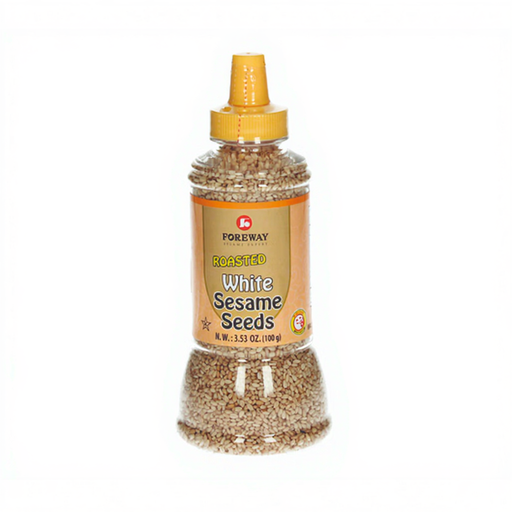
Why this fits the profile: The 100 gram content and the roasted white seeds make this a practical choice for beginners looking for one versatile pack.
The product description clearly states 100% roasted white sesame seeds and a bottle for dispensing. This makes the difference between raw and ready-to-use clear.
100 grams, 100% white sesame seeds and suitable for sushi, noodles, salads, baking and hot dishes.
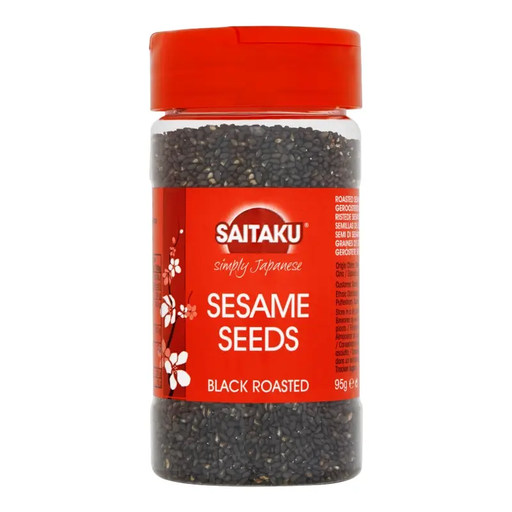
Why this fits the profile: If you’re after a roasted black variety for flavour contrast and different preparations, this 95 gram pack with one ingredient delivers.
The product information states that the seeds are thoroughly roasted. So you won’t accidentally pick a raw variety for immediate use.
Black sesame seeds, roasted, 95 grams and usable for garnishing, baking, desserts and pastes.
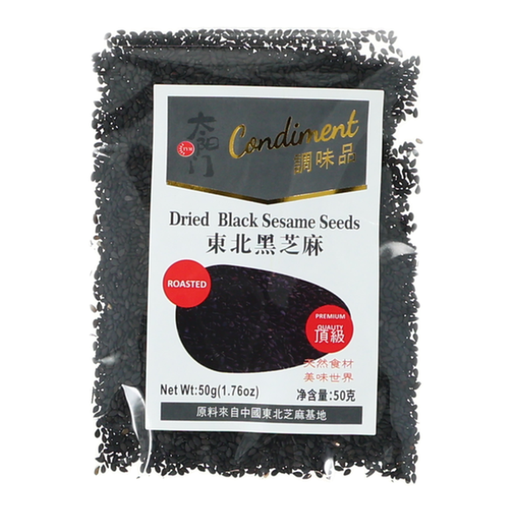
Why this fits the profile: This raw black variety is suitable for home cooks who want to roast, grind or build larger dishes step by step themselves.
The product information explicitly states that this is raw sesame seed and must be roasted or heated before use. So the extra preparation needed is clear upfront.
100% black sesame seeds, 50 gram pack and suitable for roasting, baking, desserts and sesame paste.
We’ve put together a full, up-to-date list of products that fully meet these strict selection criteria and comply with current European safety regulations.
Roasted white sesame seeds are a practical choice for sushi, poke bowls and rice dishes. The light colour complements rice and nori, while the roasted variety can be used straight away. Sprinkle it over the dish just before serving to keep the texture.
The shelf life is on the packaging. Seal the pack well after each use and store the product in a cool, dry place away from sunlight. Use opened sesame seeds promptly, especially if stored in warm or humid conditions. Throw them away if the packaging is damaged or if the smell and taste have clearly changed.
That varies by brand, pack size and selling price. Roasted sesame seed does offer more convenience, because you don’t need to use a pan. So compare the price per 100 grams and look at the net weight, ingredients and preparation method at the same time.
