
Vandaag of morgen in huis

Kwaliteit gegarandeerd

Welkomstaanbiedingen ontgrendelen: GRATIS bezorging | Tot 80% korting | Gratis 30 dagen JoyPlus-proefperiode
Download de app
Would you like to buy seaweed for sushi, soup, salad or as a snack? You’ll soon come across dozens of packets that look very similar. Yet they can differ greatly in how they’re used, portion size, flavour, salt content and shelf life after opening.
An attractive packet doesn’t always tell you what you need to know. These three common pitfalls can particularly easily lead to the wrong purchase:
First decide what you want to use the product for. The name on the packet often provides a useful indication.
Choose nori if you want to make sushi, hand rolls or rice balls. Yaki nori is roasted and is usually supplied as flat sheets. Check the number of sheets, the size and whether they are individually packed or supplied as one stack.
With sushi nori, a neutral flavour is generally more practical. That way, you can season the filling and rice yourself. Roasted seaweed can also be crumbled over a rice bowl as a topping.
Wakame and other dried seaweed are intended for use in dishes. Dried wakame expands when it comes into contact with water. Use small quantities and follow the instructions on the label.
For seaweed for soup and salad, these points are particularly useful:
A seaweed snack is usually already roasted and seasoned with ingredients such as oil, salt, sesame or spices. Korean seaweed snacks are often supplied in small portions, so you don’t need to keep the packet open for long.
Always check the ingredients and allergens when buying a snack. Products containing sesame, mustard, soya or wheat may not be suitable for every consumer. The salt content and type of oil used can also vary between varieties.
Don’t just look for words such as “natural”, “crispy” or “original”. Read the ingredients list. A plain product may consist solely of seaweed, while a roasted snack may also contain oil, salt, sesame oil, sugar or flavour enhancers.
If you have allergies, it’s important to check both the ingredients and the warning about possible traces. Product information online can change, so always check the packaging you receive.
Compare packets by net weight, not just by the number of sachets. With nori, the number of sheets matters, but so do their thickness and size. Ten 25-gram sheets are suitable for several sushi-making sessions, while a multipack of small snacks is more suited to eating individually.
For regular cooking, a 150-gram bag may work out cheaper per use. For taking on the go, individually packed portions are more convenient, and unopened sachets are better protected against moisture.
Store seaweed in a cool, dry place away from direct sunlight. Seal the packet carefully after opening. Thin nori and roasted seaweed in particular absorb moisture, making them less crisp.
Check the best-before or shelf-life information on the packaging. Do not use damaged packaging. For products that need to be refrigerated after opening, such as some marinated kelp varieties, follow the specific instructions on the label.
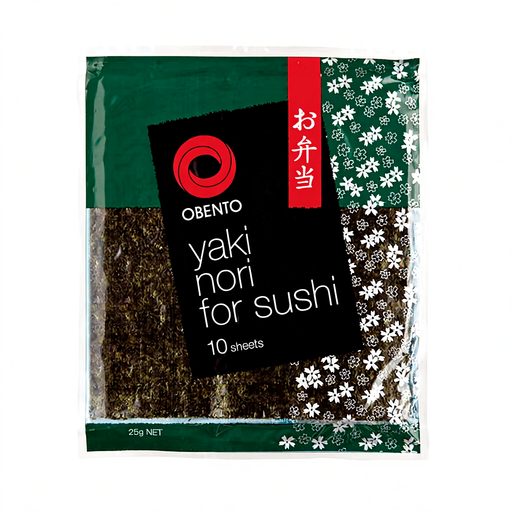
Why it suits this profile: Ten roasted sheets give beginners a manageable quantity for sushi, onigiri and rice dishes.
The number of sheets and the net weight are clearly stated, so you don’t have to rely on the packaging alone.
10 roasted sheets, 25 grams, suitable for sushi, hand rolls and snacking.
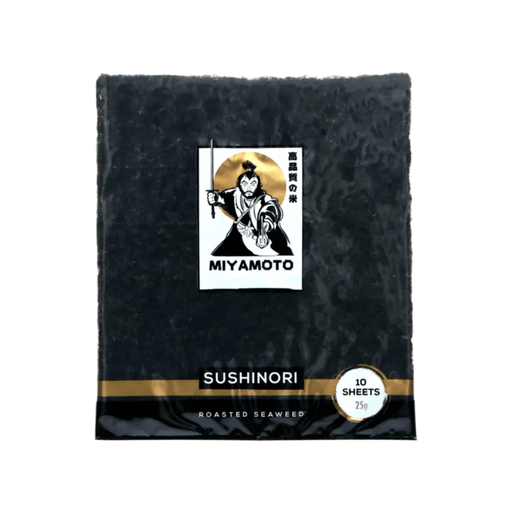
Why it suits this profile: This variety is designed for sushi, hand rolls and rice balls and, according to the product description, has a crisp texture and savoury umami flavour.
The product is clearly described as roasted nori for sushi, making it less likely to be confused with seasoned snack sheets.
10 sheets; according to the product information, vegan and without any listed artificial colourings, flavourings or preservatives.
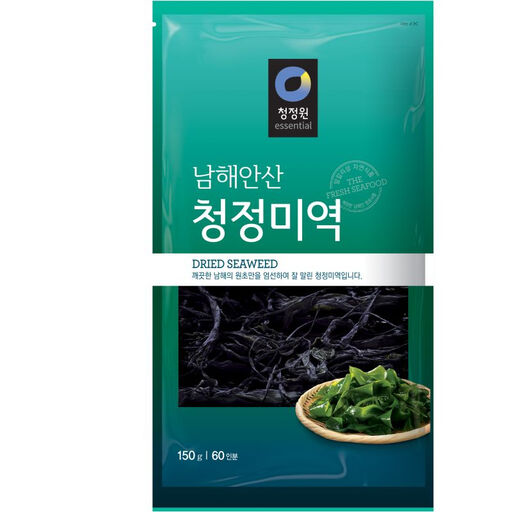
Why it suits this profile: The 150-gram packet is practical for anyone who regularly cooks with seaweed in soups, salads and Asian dishes.
The product description states that this is dried seaweed for use as a cooking ingredient, not a ready-to-eat seasoned snack.
150 grams of dried seaweed; according to the ingredients list, the product consists of dried seaweed.
We’ve put together a complete, up-to-date list of products that fully meet these strict selection criteria and the applicable European safety regulations.
That depends on the packaging and humidity. Thin nori and crispy seaweed snacks generally stay crisp for longer when you reseal the packet in an airtight manner straight away. Store the product somewhere dry and preferably use opened portions promptly.
Not always. Wakame for soup or salad is often soaked or added directly to a dish, depending on the instructions on the packaging. Nori for sushi and roasted seaweed for snacking are usually used straight away.
Compare the price per 100 grams, the number of portions and the type of product. A small multipack may cost more per gram, but can help reduce waste. For regular cooking, a larger packet is often more practical, as long as you can store the seaweed properly in a dry place.
