
Vandaag of morgen in huis

Kwaliteit gegarandeerd

Welkomstaanbiedingen ontgrendelen: GRATIS bezorging | Tot 80% korting | Gratis 30 dagen JoyPlus-proefperiode
Download de app
Anyone looking to buy seaweed will soon come across dozens of varieties: Japanese nori sheets, Korean seaweed, roasted snacks, dried wakame and marinated kelp. The packaging often focuses mainly on flavour, while the practical differences lie in the size, ingredients and shelf life.
You need something different for sushi than for a quick snack. Use these checkpoints to avoid a poor purchase and choose a product that suits your kitchen, household or business.
A seasoned snack often contains oil, salt, sesame, sugar or flavour enhancers. This makes it suitable for eating straight away or crumbling over rice, but less practical for rolling sushi.
For maki, temaki and gimbap, you will usually want unseasoned, roasted seaweed in whole sheets. Check whether the description includes terms such as sushi nori, roasted seaweed sheets or nori sheets.
A 50-gram bag may consist of small snack portions, while a 24-gram pack may contain several large sheets. So do not compare only the total weight. Also consider:
A pack containing 100 sheets may be more practical for a household or food-service customer than several small bags.
“Pure seaweed” and “seasoned seaweed” are different product types. A snack may contain oil, sesame, soya, wheat, mustard, chilli or preservatives, among other ingredients. Always check the ingredients and allergens on both the product page and the packaging.
Pay attention to the salt content too. This can vary considerably between varieties. For example, Bestore Spicy Kelp Knots lists 8.5 grams of salt per 100 grams. This is useful information when comparing different Asian snacks.
So start by considering how you plan to use it. A whole sheet of nori is more practical for sushi, while dried wakame makes more sense for soup.
For sushi, a sheet measuring approximately 19 × 21 cm is suitable for various rolls and wraps. The Miyamoto pack contains 100 roasted sheets in this size. This is a clearly verifiable specification that is particularly useful for larger households, parties and professional use.
Small portions are more practical when freshness and convenience are important to you. Products containing 3 sachets of 4 grams or individually wrapped rolls stay better protected from moisture while unopened.
A plain nori sheet can be used in different ways from a BBQ, teriyaki, wasabi or chilli variety. Seasoned products may contain extra oil and salt. So check:
For crispy seaweed, moisture is the biggest practical enemy. Store opened packaging tightly sealed, somewhere dry and away from direct sunlight. Ideally, eat an opened snack quickly, as it may lose its crisp texture.
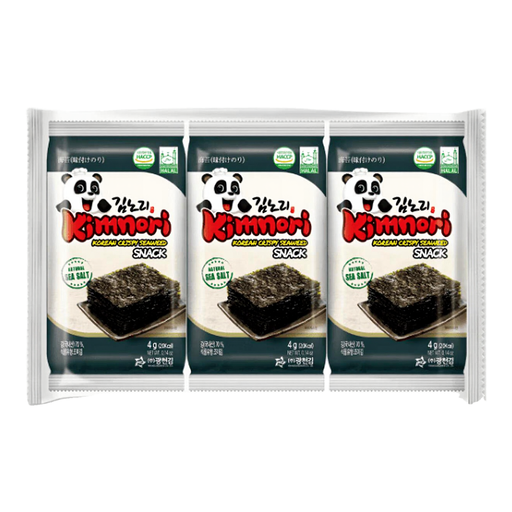
Why it suits this profile: The three 4-gram portions are a convenient way for anyone trying Korean seaweed for the first time without buying a large pack. Suitable as a snack on its own or with rice.
The portion size and product format are clearly stated. This is a seasoned snack, not nori sheets for rolling sushi.
Three individual 4-gram sachets; suitable for eating straight away, with rice, in salads and in soups.
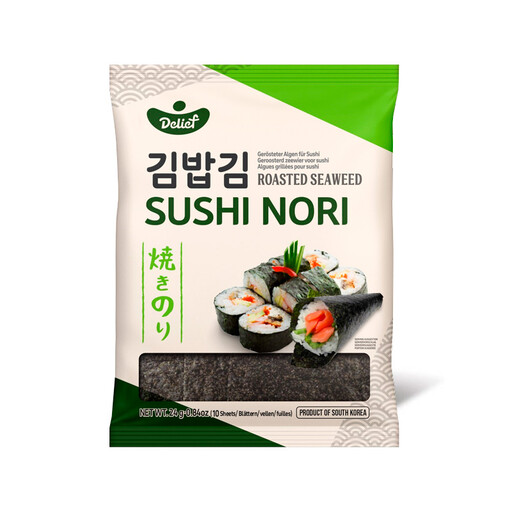
Why it suits this profile: This roasted nori is designed for sushi, rice balls and wrapping meals. The product description lists roasted laver and salt among the ingredients.
The intended use is described specifically. This reduces the risk of buying a seasoned snack when you are looking for seaweed for sushi.
Roasted nori for sushi and rice balls; ingredients and nutritional values are available.
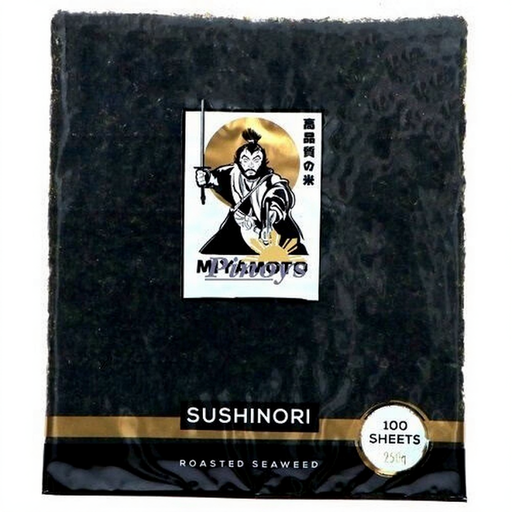
Why it suits this profile: The pack contains 100 sheets measuring 19 × 21 cm. This makes it ideal for frequent sushi-making, large families, parties and food-service use.
The number of sheets and their size are clearly stated. You do not have to estimate how much sushi you can make based on the net weight alone.
100 roasted sheets; size 19 × 21 cm; suitable for sushi, kimbap, wraps and creative dishes.
We have compiled a complete, up-to-date list of products that fully meet these strict selection criteria and the applicable European safety regulations.
Store unopened products somewhere cool and dry, away from sunlight and heat. Once opened, an airtight container or tightly sealed bag is useful. Nori quickly loses its crisp texture when exposed to moisture.
With marinated kelp, such as kelp knots or kelp strips, different instructions may apply after opening. Bestore, for example, states that the packaging should be refrigerated and the product consumed quickly. Always follow the instructions on the label.
Choose whole, roasted nori sheets without a heavy seasoning layer. Check the size and number of sheets. A seasoned seaweed snack is usually intended to be eaten straight away and may tear or taste different when used to roll sushi.
This depends on the packaging, moisture and storage conditions. Individual portions generally remain more practical to use for longer than a large opened bag. Seal the packaging immediately after use and store the product somewhere dry. The exact best-before date is printed on the packaging.
Yes, seasoned seaweed is generally ready to eat straight away. Do check the oil, salt and allergens, such as sesame, soya or mustard. For a neutral flavour in soup, salad or sushi, plain nori or dried wakame is usually a better choice.
