
Vandaag of morgen in huis

Kwaliteit gegarandeerd

Welkomstaanbiedingen ontgrendelen: GRATIS bezorging | Tot 80% korting | Gratis 30 dagen JoyPlus-proefperiode
Download de app
Anyone looking to buy seaweed snacks will quickly come across dozens of packages of Korean gim, Japanese nori, sushi sheets and seasoned varieties. However, they are not all intended for the same use. A thin sheet of roasted seaweed works well for sushi, while a seasoned seaweed snack is primarily designed to be eaten straight from the pack.
The key differences lie in ingredients, size, serving size, salt content and packaging. By checking these points, you can avoid paying for a product that does not suit the way you intend to use it.
The terms nori, gim and roasted seaweed are sometimes used interchangeably. That does not automatically mean that every product is suitable for sushi. Snack sheets are often smaller, seasoned or coated with oil. As a result, they may be too brittle to wrap neatly around rice.
For sushi, onigiri or kimbap, look for full-size sheets, a clearly stated format and an ingredients list consisting primarily—or exclusively—of seaweed. For snacking straight from the pack, smaller individually wrapped portions are more practical.
A 60-gram bag may appear economical, but always check how that weight is divided. A multipack of small portions can be more convenient for eating on the go, while a large pack containing 100 sheets is better suited to families or anyone who regularly makes sushi at home.
Also check the ratio of seaweed to oil and seasonings. In a seasoned variety, a significant proportion of the weight may come from oil, salt or spices. Compare not only the price per package, but also the price per sheet or per serving.
Seaweed quickly absorbs moisture from its surroundings. Once opened, a package can therefore lose its crispness. Individual sachets are convenient for lunch or travel; a resealable bag is more suitable when you use small amounts over several occasions.
Store every product in a cool, dry place away from direct sunlight, heat and moisture. Reseal the package carefully after opening, and always follow the date and instructions on the actual label. Product information on a website may differ from the packaging.
A vegan seaweed snack does not always consist exclusively of seaweed. Seasoned varieties may contain sesame oil, sesame seeds, soy, mustard, or traces of fish or shellfish. Always check the complete ingredients list and allergen information, particularly if you have a food allergy.
A product made with 100% seaweed is straightforward to assess. With flavoured snacks, check the type of oil used, flavour enhancers, sugar and salt content. The allergen information on the packaging takes precedence.
For sushi, nori sheets in a large, uniform format are the most practical choice. A 19 × 21 cm sheet provides ample surface area for sushi rolls, hand rolls, wraps or kimbap. Smaller sheets are more convenient as a standalone snack or garnish.
Shredded seaweed, such as finely sliced gimjaban, is primarily used as a topping for rice, noodles, soup, salad or sushi. It is not intended to wrap an entire roll.
Compare nutritional information per 100 grams and per serving. Seasoned seaweed products often contain oil and salt. For example, 7FRESH Original flavor nori lists 3.2 grams of salt per 100 grams; the product also contains sesame as an allergen. Chung Jung One Seaweed Snack with Olive Oil lists sesame, oil and E621 among its ingredients.
Do not treat claims such as “light” or “low-calorie” as a reason to skip the label. The right choice depends on your serving size, ingredient preferences and when you plan to enjoy the snack.
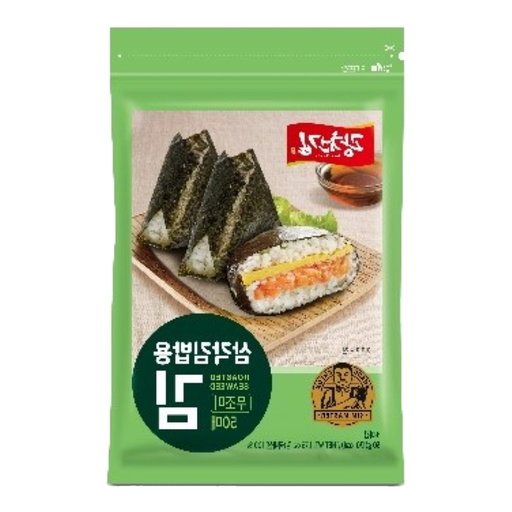
Why it stands out: A straightforward choice for anyone trying a pure Korean seaweed snack for the first time, or preparing onigiri and rice dishes.
The product information states that it contains 100% seaweed and comes in a 50-gram pack. You are not paying for a long list of seasonings when you are looking for a neutral base.
Ingredient: 100% seaweed. According to the product information provided, it contains none of the 14 major EU allergens.
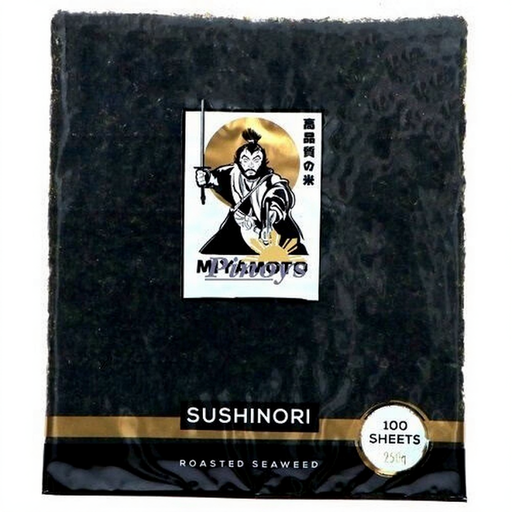
Why it stands out: Ideal for households, entertaining and home cooks who regularly prepare sushi, kimbap, wraps or rice rolls.
This pack contains 100 individual sheets measuring 19 × 21 cm. That makes the intended use and quantity clearer than a small bag of loose snack pieces.
Ingredient: 100% roasted seaweed. The sheet size is suitable for sushi, kimbap and wraps.
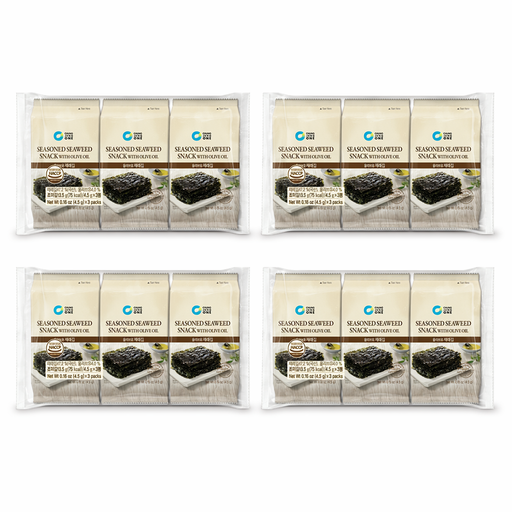
Why it stands out: The twelve small packs are convenient for lunch, the office, train journeys or a single serving alongside a meal.
The portions are pre-divided, so a large opened bag is not repeatedly exposed to moisture over several days.
The product listing mentions seaweed with corn, olive and sesame oils; sesame is listed as an allergen.
Want to compare several varieties, from vegan seaweed snacks to sushi ingredients? Explore the current range of seaweed products and kelp snacks.
Browse the current selection and compare seaweed snacks, nori sheets and kelp products by size, ingredients, serving format and intended use.
No. Check that the product consists of full-size sheets and that the dimensions suit your sushi roll. A seasoned or shredded snack is generally better used as a topping or standalone snack than as a wrap.
Store seaweed in a cool, dry place, tightly sealed and away from direct sunlight. Use a resealable bag or an airtight food container. Ideally, eat an opened sheet promptly, as moisture reduces its crisp texture.
Check the ingredients and allergen information on the packaging. Pure nori made with seaweed alone is easy to assess. Seasoned products may contain sesame, soy or traces of fish or shellfish. Always check the label before consuming the product.
