
Vandaag of morgen in huis

Kwaliteit gegarandeerd

Welkomstaanbiedingen ontgrendelen: GRATIS bezorging | Tot 80% korting | Gratis 30 dagen JoyPlus-proefperiode
Download de app
Do you want to buy seaweed snacks, but find yourself lost among Korean, Japanese and Thai varieties, unsure which pack is right for you? The difference isn’t just about flavour. The shape, quantity, ingredients and intended use all determine whether your purchase is a practical one.
A small snack pack is handy for on the go, but less suitable for a family. A bag of dried seaweed intended for soup can be too moist or soft to eat straight as a snack. And terms like “natural”, “crispy” or “authentic” only mean something once you check the ingredients list and nutritional information.
Not every product containing nori or seaweed is meant to be eaten straight from the packet. Wakame seaweed is usually sold dried and needs to be soaked for most uses. Sushi nori and roasted sheets, on the other hand, are suitable for sushi, rice rolls or as a crispy topping.
Always check whether the product is described as a snack, roasted seaweed, nori for sushi or cut seaweed for dishes.
A 50-gram pack sounds bigger than three 4-gram sachets, but seaweed is light. Also look at the number of servings, individual sachets and the size of the sheets. Individual portions generally stay crispier for longer after you’ve opened them.
For catering, food service or large families, a pack with 100 sheets or a larger quantity of dried product can make more sense than several small snack bags.
“Original”, “BBQ”, “wasabi” and “sesame” refer to different flavour profiles. Always check the ingredients, especially if you have an allergy. Sesame, soya, oils and flavour enhancers are common in seasoned seaweed products. The product packaging is your best guide, as formulations and labelling can change.
Also pay attention to the preparation method. A product described as “roasted”, “baked” or “crispy” has a different texture from unseasoned dried seaweed.
For snacking straight away, small sachets are convenient. You don’t have to open the whole pack, and the rest stays better protected from moisture. For sushi or regular cooking, larger packs are more practical.
Check the number of sheets and their size. A sheet measuring roughly 19 x 21 cm is suitable for sushi, kimbap, wraps and creative dishes. For snack rolls, the number of individually wrapped pieces is what matters most.
Don’t just compare the flavour; compare the composition too. A natural product, for example, might contain only roasted seaweed, whereas a seasoned variety may include oil, salt, sesame, sugar, chilli or flavour enhancers.
The nutritional values vary greatly from recipe to recipe. Use the table per 100 grams for a fair comparison, but bear in mind that a snack portion often weighs just a few grams. When in doubt, always check the physical label and allergen information on the packaging.
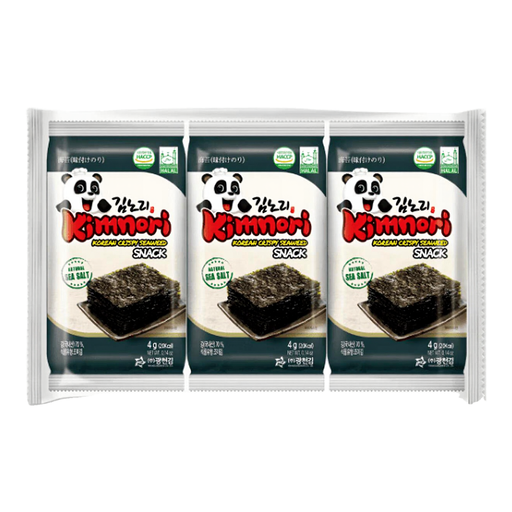
Why this fits the profile: Three 4-gram sachets make it easy to try a Korean seaweed snack without committing to a large pack straight away.
The portioned packaging prevents an opened large bag from absorbing moisture and going limp.
Small portions, ready to eat straight away, and an original seasoned flavour profile.
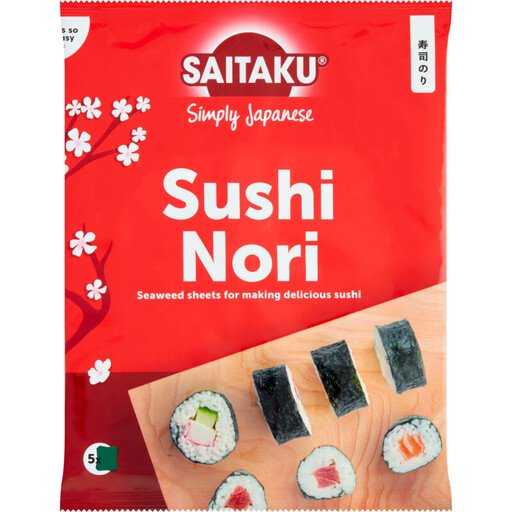
Why this fits the profile: This Japanese nori is designed for sushi and, according to the product information, contains five sheets from the first harvest.
The clear number of sheets and the sushi application make the purchase more predictable than a general snack pack.
Suitable for sushi, salads and stir-fries; the ingredients list states red algae from aquaculture.
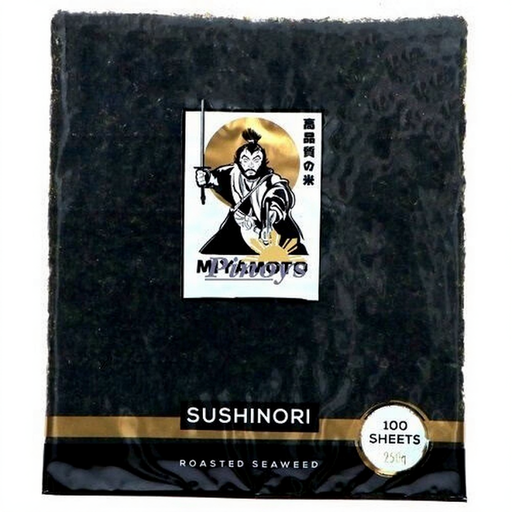
Why this fits the profile: The pack of 100 roasted sheets is designed for frequent sushi making, families, parties or food service.
The fixed number and size of the sheets means you won’t need multiple small packs for every sushi meal.
Sheets measuring 19 x 21 cm, roasted and suitable for sushi, kimbap, wraps and other dishes.
We’ve put together a full, up-to-date list of products that fully meet these strict selection criteria and comply with current European safety regulations.
Seaweed absorbs moisture quickly. So store an opened pack in a cool, dry place away from direct sunlight. Seal the pack tightly or use an airtight container. Snack sheets and rolls are best eaten soon after opening, as their crunchy texture can otherwise diminish.
Check the best-before information on the packaging before use. Do not use a product if the packaging is damaged. For sushi nori, it’s also wise to open the pack only just before you start rolling.
No. Korean snacks are often seasoned with oil, salt, sesame or other flavourings. Japanese nori is typically sold more neutral and is therefore suitable for sushi and other dishes. There are exceptions, so always check the ingredients and intended use.
That depends on the product. A roasted seaweed snack is usually ready to eat straight away. Wakame and other dried seaweed for soup or salad often need to be soaked or prepared first. Follow the usage instructions on the label.
Store the product airtight, dry and away from steam. Buy a small portion pack if you only snack occasionally. For regular use, larger packs are better value per portion, as long as you seal them properly after opening.
