
Vandaag of morgen in huis

Kwaliteit gegarandeerd

Welkomstaanbiedingen ontgrendelen: GRATIS bezorging | Tot 80% korting | Gratis 30 dagen JoyPlus-proefperiode
Download de app
A bag of seaweed snacks might seem simple to choose: roasted nori, add a flavour and you're done. Yet the products vary greatly in size, seasoning, packaging and use. A Korean seaweed snack for eating straight away, for example, is not the same as Japanese nori for sushi or wakame for soup.
The most common mistakes come from three pitfalls:
For snacking straight away, look for seasoned laver, crispy seaweed snack or roasted seaweed sheets. These products are often coated with oil, salt or seasonings.
For sushi, onigiri and kimbap, nori for sushi is more suitable. Pay attention to the number of sheets and the size. Miyamoto Roasted Seaweed, for example, contains 100 sheets of approximately 19 × 21 cm, while Saitaku Nori is a smaller pack of 5 sheets.
For soup, salad and warm dishes, wakame is more practical. Dried wakame usually needs to be soaked first and expands as a result. A sprinkling product like furikake combines finely chopped nori with, for example, sesame and seasonings. It works well with rice, noodles, poké bowls and onigiri.
The net weight alone doesn't tell the whole story. A 15g pack may consist of three small snack sachets, whereas a 50g pack is intended to be divided across several dishes.
Individual sachets are handy for on the go and help keep the crispness intact. Larger packs are more practical for families, sushi nights or regular use. Once opened, thin seaweed sheets quickly lose their crunchy texture due to moisture. So store them in a cool, dry place, tightly sealed, away from sunlight and heat.
The flavour is often determined by the oil and seasoning used. For instance, a wasabi seaweed variety contains wasabi seasoning, while a snack with sesame can have a distinctly nutty taste. With products from Bibigo, Sempio and Chung Jung One, sesame is listed as an allergen in various forms.
Compare the nutritional information per 100g, but bear in mind the low weight per snack sachet. The values of seasoned varieties can be noticeably different from those of nori with only roasted seaweed, due to oil and salt. Always check claims such as “gluten-free”, “vegan” or “free from allergens” on the packaging of the specific product. The ingredients list and allergen declaration on the label are the definitive guide.
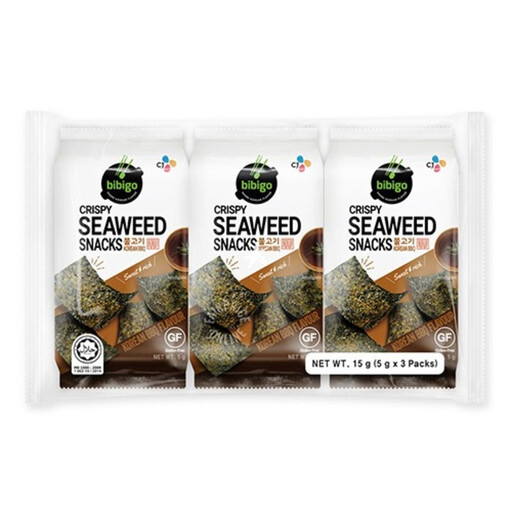
Why this fits the profile: The three small sachets make it easy to try a Korean seaweed snack first without buying a large stock straight away. The bulgogi seasoning is suitable for those looking for more flavour than plain nori.
The portion size is clearly stated as 3 × 15g in the product information. This makes it easier to compare packaging and quantity.
Small portions, crunchy texture as per the product name, and a savoury bulgogi variety for immediate use.
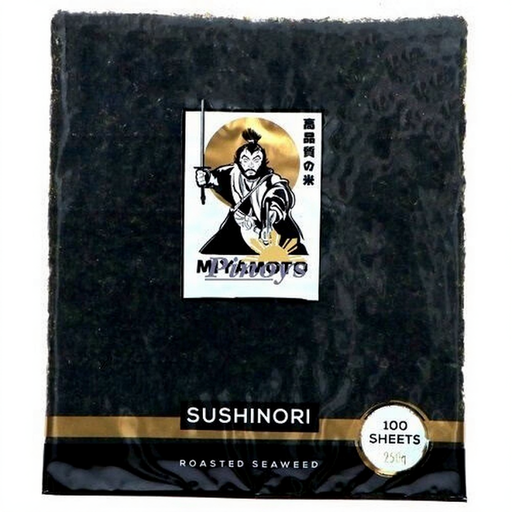
Why this fits the profile: For home cooks who often make sushi, kimbap or rice rolls, a large number of sheets offers more planning flexibility than small snack packs.
The product is clearly intended as roasted seaweed for sushi and contains 100 sheets of 19 × 21 cm. This prevents confusion with small snack sheets.
100 sheets, large size, and an ingredients list with roasted seaweed as the main ingredient.
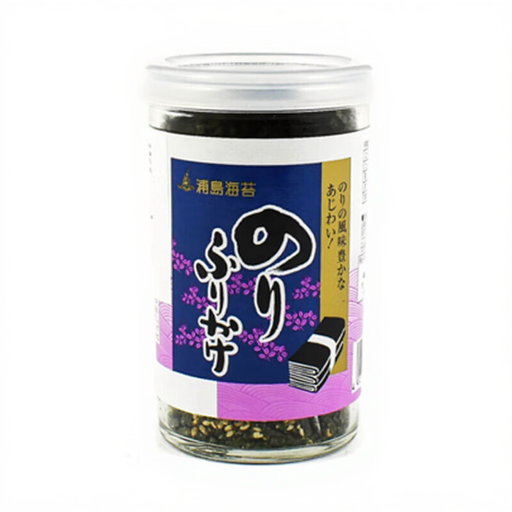
Why this fits the profile: If you often make rice, noodles, salads or poké bowls, a sprinkling mix is more targeted than individual snack sheets. The 50g jar is practical for regular use.
The product description explicitly calls it a rice seasoning with nori and roasted sesame. This makes its use clearer than with a general seaweed snack.
50g sprinkling mix, suitable for rice, noodles, salads, soups and onigiri; contains nori and roasted sesame.
We have compiled a full, up-to-date list of products that fully meet these strict selection criteria and comply with current European safety regulations.
No. Nori for sushi usually consists of larger, thin sheets that you fill or roll. A snack is often already roasted and seasoned with oil, salt, wasabi, BBQ or sesame. Saitaku Nori and Delief Roasted Seaweed Sushi Nori are examples of products for sushi and rice dishes. For eating straight away, small, seasoned packs are more suitable.
Store unopened packs in a cool, dry place, out of direct sunlight. Seal an opened pack tightly or use an airtight container. Moisture quickly makes thin sheets soft. Also always check the best-before date and do not use a pack if it is damaged.
Wakame is mainly intended for soup, salad and other dishes. It is usually soaked before use and therefore has a different texture to a crispy seaweed snack. If you want to eat it straight from the pack, choose roasted or seasoned nori. Always check the preparation and storage advice on the label for each variety.
